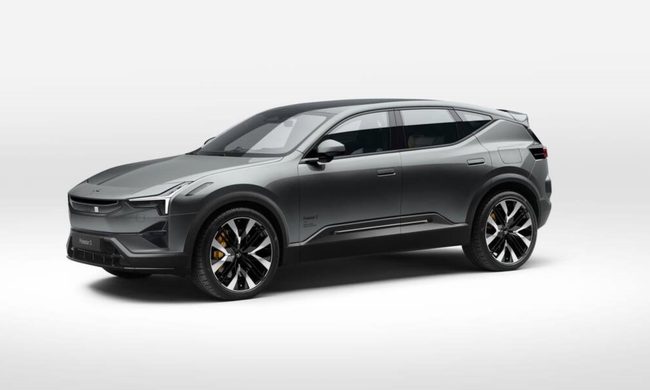
The Tesla Model S kind of pioneered the concept that electric cars could be cool. When the Model S first launched in 2012, electric cars in general were considered to be slow and a little nerdy. But since then, a range of other attractive EVs have popped up — including the ultra-cool Porsche Taycan.
If you’re looking to fulfill a need for electric speed, you may be deciding between the Model S and the Porsche Taycan — and it makes sense. They both have a lot to offer. But is one of them truly better? Here’s what you need to know.
Design
The first thing to notice about these two cars is their design, as they take a slightly different approach to it. The Tesla Model S has certainly evolved a little over the years, now offering a much sleeker and more modern design than the initial bulb-nosed Model S that was released in 2012. But it also doesn’t do that much to stand out, especially in a world where it has become not uncommon to see Teslas on the streets.

If you do want a car that does more to stand out, then the Porsche Taycan may be worth considering. The Taycan looks like a futuristic Porsche, with its sloped roofline and slanted headlights. On the back of the car, you’ll get a light bar that extends from side to side. It’s a great look.
But it may not be for everyone. The Tesla Model S certainly takes a more subtle approach to design, while the Taycan is more unique. We’ll leave it up to you to decide which design you like better.
Winner: Tie
Interior and tech
Tesla’s minimalistic approach is showcased when you step inside the Model S. The Model S comes in all black, black and white, or cream — and no matter which you choose, you’ll get a clean, modern look. At the front of the car, you’ll find a 17-inch touc screen, with another display that acts as a digital instrument cluster. The main 17-inch display is where you’ll control all different aspects of the experience of driving the car, including the climate controls. You’ll also be able to access services like Netflix, as well as use Tesla’s mapping on this display.
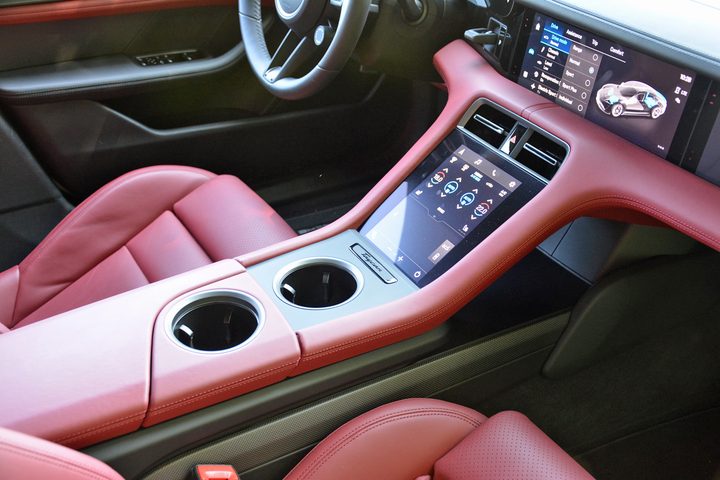
The interior of the Porsche Taycan is a little more traditional inside. There are more physical controls, though still not a ton of them. The car features a number of different displays at the front, including a digital instrument cluster, a 10.9-inch infotainment display, and an 8.4-inch display below it that is specifically for functions like climate controls, battery status, and more. If a car is going to have digital climate controls, it’s nice that it has a dedicated display for these kinds of functions.
The interior design overall is also down to personal preference. If you want a more minimalistic and clean approach, the Tesla Model S may be better for you. But if you’re looking for something a little more traditional, the Taycan is the better option.
Winner: Tie
Performance
Perhaps the most important aspect of these cars is how they perform. Thankfully, they’re both monsters.
The Tesla Model S, for starters, is available in two variants: a standard Model S, and a Model S Plaid. The standard Model S is extremely quick, accelerating from 0 to 60 miles per hour in only 3.1 seconds. But step up to the Model S Plaid and you’ll get even faster, reaching 60 mph in only 1.99 seconds. That makes the Model S Plaid the fastest production car right now.
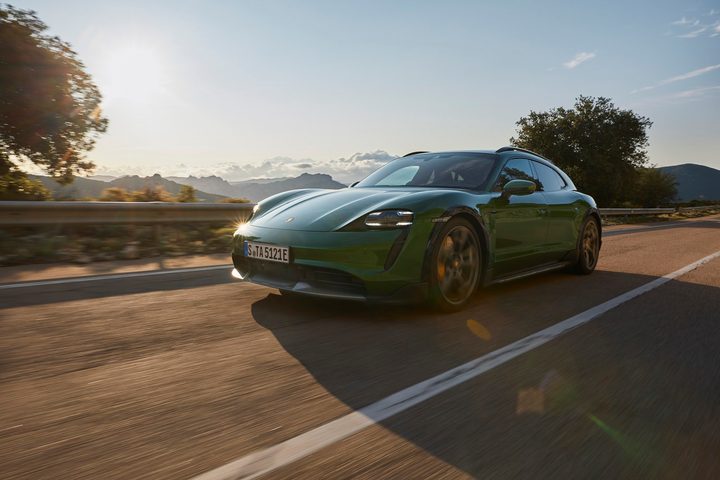
The Porsche Taycan isn’t slow though — far from it. The base model of the Porsche Taycan hits speed in 5.1 seconds, which isn’t bad — but step up to the Taycan Turbo S, and you’ll get there in only 2.6 seconds. There are a number of models in-between those, too.
Still, despite the fact that there are more Taycan model options out there, none of them beat the Model S Plaid. Tesla gets the win here.
Winner: Tesla Model S
Range and charging
Tesla has a bit of a head start in the realm of electric cars — and it shows. The base Model S offers a range of 405 miles, while the Model S Plaid has a still-great range of 396 miles. That puts the Model S ahead of almost all of the competition in the world of electric cars. And the car can charge relatively quickly, at up to 250 kilowatst. That should allow the car to get 200 miles of charge in around 15 minutes, according to Tesla.

The Porsche Taycan, unfortunately, doesn’t get quite close in range. The base model of the car only has a 208-mile range, which increases to 246 miles on higher-end models. That’s not even close to the Model S. The Taycan can charge a little faster, at 270kW — which will allow the car to get from 5% to 80% in 22.5 minutes, according to Porsche. Keep in mind, you’ll have to charge at a station that supports the fast charging speed.
The faster charging is nice, but the extra range is more important. The Tesla gets the win.
Winner: Tesla Model S
Pricing and availability
Both the Tesla Model S and the Porsche Taycan are now available, so you can get one for yourself if you so choose. But the price isn’t quite the same. The Tesla Model S starts at $74,990 for the standard model, or $89,990 for the Model S Plaid. The Porsche Taycan, on the other hand, starts at $90,900, ranging up from there to the Taycan Turbo S Cross Turismo, which starts at an eye-watering $197,500.
There’s no competition here — the Tesla is the winner in the price category.
Winner: Tesla Model S
Overall winner: Tesla Model S
The Tesla Model S is not only cheaper, but it’s a better overall electric car than the Porsche Taycan. The Model S may not be as unique in design, but it has a much better range, superior performance, and comes at a lower price. The Porsche Taycan may still be better for your needs, especially if you want something with echoes of that classic Porsche design. But if you don’t mind the Model S look, you’ll find the Tesla to be a better car overall.