  1. Home
  2. Cars
  3. Emerging Tech
  4. News

This tiny sensor could help self-driving cars and robots see better in the dark

Penn State researchers have developed a light-adaptive photomemristor modeled on the human eye that achieves over 95% visual accuracy in shifting light conditions.

Add as a preferred source on Google
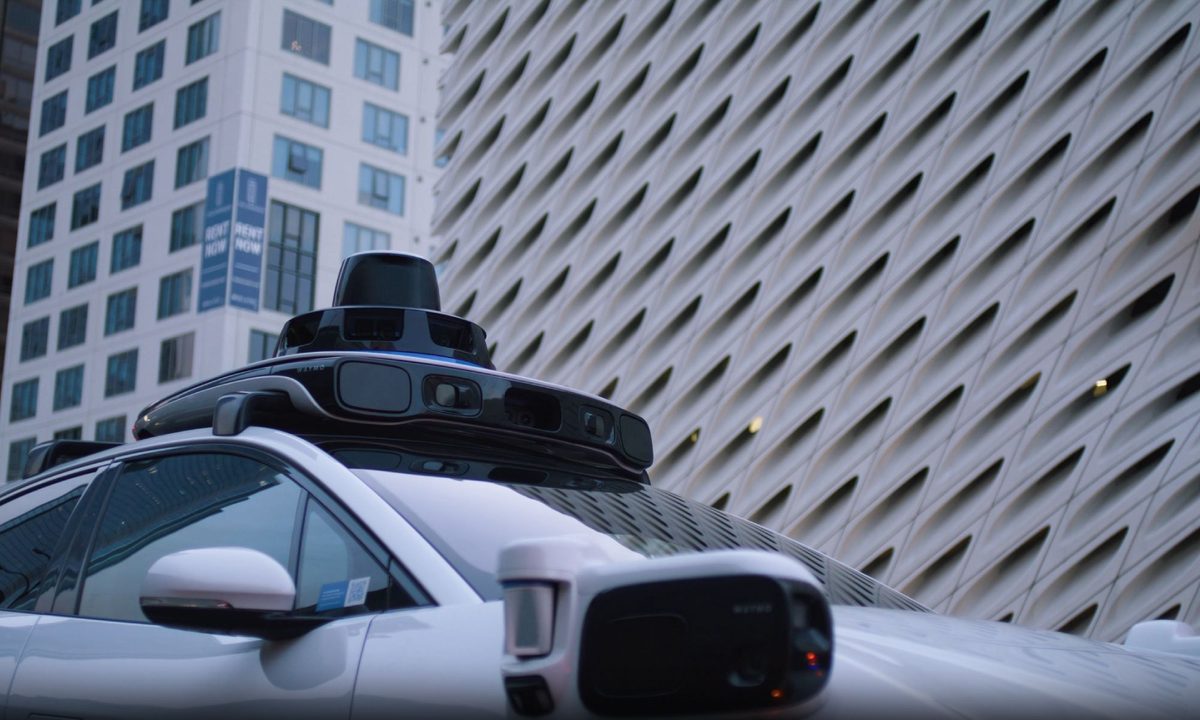
Waymo Jaguar I-PACE sensors close up
Waymo

Penn State researchers have developed a light-adaptive sensor component that could make autonomous vehicle cameras and robots far more reliable in shifting lighting conditions. The work, published Monday in Nature Communications, takes direct cues from how the human eye adjusts between bright and dark environments.

Biology as a blueprint

Current camera systems in self-driving cars are tuned for consistent lighting, which means accuracy drops when conditions shift rapidly, like moving from a dark road into oncoming headlights. The Penn State team, co-led by engineering professor Larry Cheng, looked to the eye’s rod and cone cell system for a solution. In the eye, rod cells contain pigments that bleach in bright light and gradually regenerate in darkness, allowing the eye to recalibrate its sensitivity continuously.
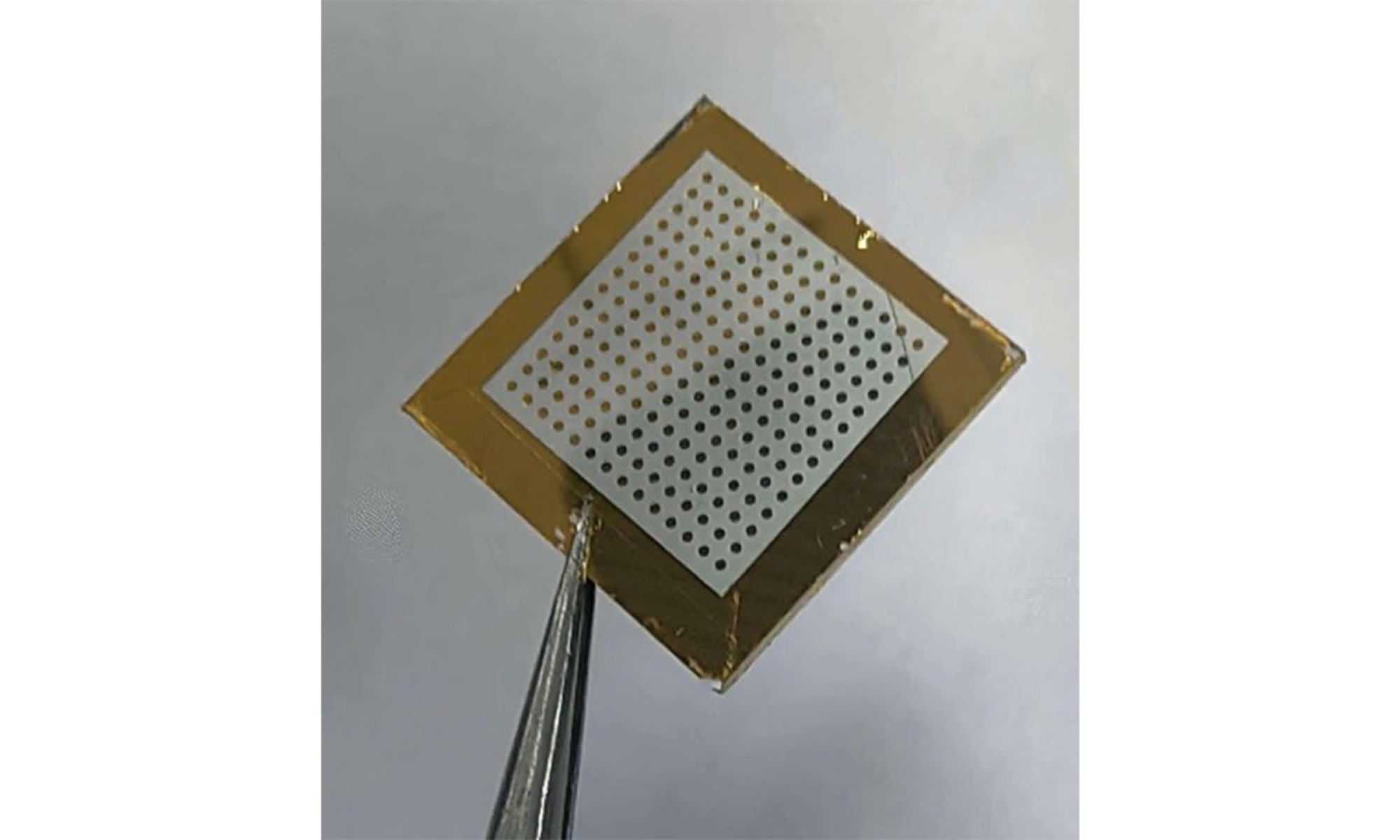
The researchers replicated that dynamic in a new type of photomemristor, a tiny sensor that captures light and converts it into electrical data. Their design uses two materials: a conductive gel-like polymer and titanium oxide. When light hits the titanium oxide, it generates a current that causes the polymer to absorb or release water depending on brightness, effectively self-regulating sensitivity in real time.

95% accuracy in mixed light

To test the design, the team built a 4×4 array of the sensors and paired it with a neural network, creating a basic machine vision system. They ran it through a variation of the standard eye chart test, asking it to identify an LED letter “F” against a backdrop tuned to fluctuating brightness levels. After seven training cycles, the system hit over 95% accuracy under mixed lighting conditions.

Recommended Videos

Each sensor measures just half a millimeter across, and Cheng says individual units can be connected in larger arrays to detect broader visual patterns without changing the physical size of each component.

Beyond autonomous vehicles, the team sees potential applications in factory robotics and, further down the line, assistive technology for people with visual impairments. A provisional patent has been filed, and next steps involve expanding the sensors into a multi-modal system capable of processing both visual and tactile data simultaneously.

The photomemristor joins a growing list of sensor innovations aimed at improving autonomous vehicle reliability, including a compact radar unit developed at Rice University earlier this year.

Pranob Mehrotra
Pranob is a seasoned tech journalist with over eight years of experience covering consumer technology. His work has been…
Cambrige experts find utterly simple fix for longer lasting EV batteries. Just put some pressure on it.
Scientists found a way to make EV batteries last longer without reinventing the battery
EV Charging

EV battery breakthroughs typically involve new chemistry, exotic materials, or faster charging/higher capacity. But a new study reveals that you can skip all the fancy stuff and go with a very simple solution, Researchers from the University of Cambridge found that putting the battery under the right amount of pressure actually helps.

The study was about how physical pressure affects lithium-ion battery life, which found that keeping cells under constant pressure could double their lifespan. The work was published in Nature Energy, and the team says the improvement came without changing the active materials, electrolyte, or basic battery chemistry.

Read more
BMW reveals redesigned X5 with petrol, hybrid, EV, and hydrogen options
BMW couldn't decide on a powertrain, so it launched all of them
BMW X5

BMW has pulled the wraps off the fifth-generation X5, giving one of its best-selling luxury SUVs its biggest overhaul yet. The new model brings a fresh Neue Klasse-inspired design, a completely redesigned interior, and the broadest choice of powertrains the X5 has ever offered. Alongside petrol, diesel, and plug-in hybrid versions, BMW has introduced the first fully electric iX5, while confirming that a hydrogen-powered X5 will join the lineup at a later stage.

More powertrain choices, more technology, and a fresh design

Read more
Tesla has a battery theft problem
Even Tesla's batteries can't wait to hit the road
Tesla cars at Superchargers

Tesla is facing an unusual security problem in the US, and it is happening before many of its batteries even make it onto the road. According to an investigation by WIRED, multiple truckloads of Tesla batteries have allegedly been stolen directly from the company's Nevada Gigafactory, highlighting a growing wave of organised cargo theft targeting high-value technology shipments.

Cargo theft is becoming a serious problem for Tesla

Read more