
Like a passing storm, CES has come and nearly gone. With it, we’ve seen a very impressive lineup of laptops from manufacturers ranging from Lenovo and Dell to MSI and Razer.
Each individual laptop has its pros and cons, but we saw some broad trends across almost every device. These are the trends that will define this year in laptop computing, most of which are only just beginning to take root.
RTX graphics cards with serious power
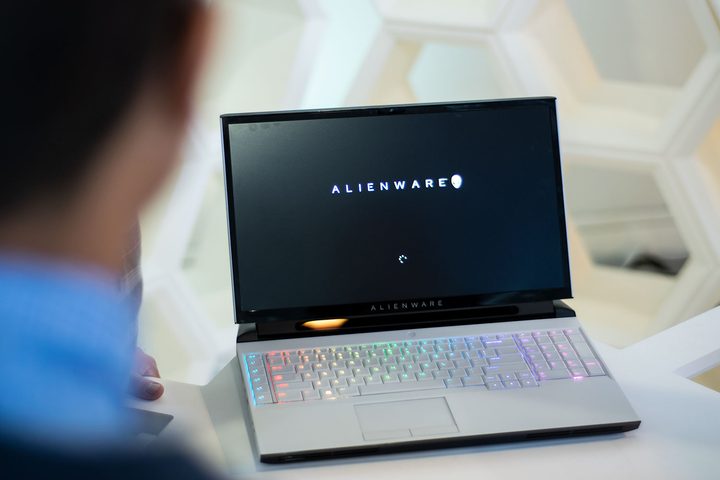
CES 2019 was packed with announcements about new processors and graphics cards, but only one was present in laptops actually at the show. The Nvidia RTX 20-series mobile GPUs.
Nvidia launched these new cards with an impressive 40 entries from laptop brands. That includes Omen, Alienware, Razer, MSI, ROG, Predator, and more. It includes unlocked RTX 2080s in bulkier gaming laptops like the Alienware Area-51m, as well as dozens of Max-Q cards in thin-and-light gaming laptops. It’s impressive to see such widespread support for the platform, especially when it includes experimental features like ray tracing.
These cards come with baggage: plenty of unknowns. Many of these companies have told us the performance difference between desktop and laptop has been reduced, so these gaming laptops might hold their weight again tower systems. It’s especially impressive that the RTX 2080 Max-Q is being squeezed into thin-and-light laptops like the Razer Blade and MSI GS65 Stealth, something not usually possible with the GTX 1080.
Bezels are out, and so are 2-in-1s
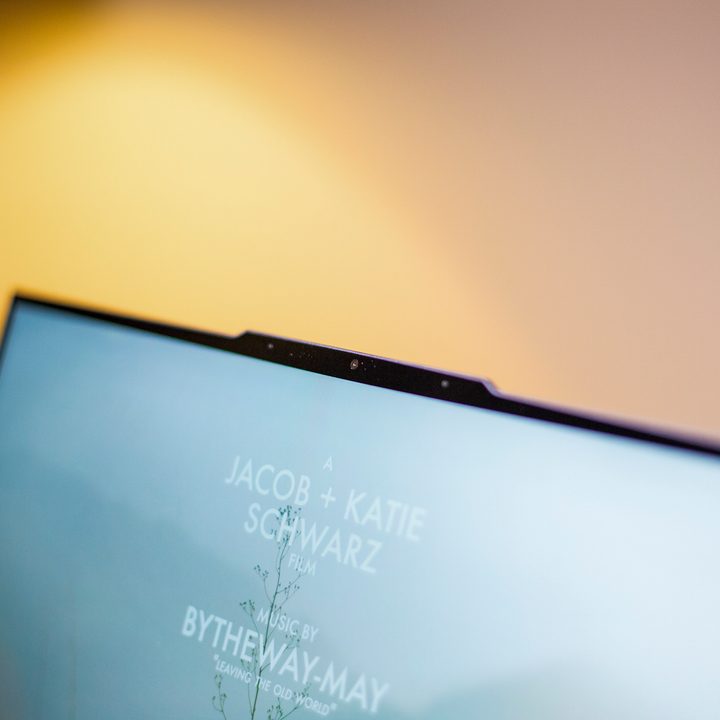
Previous years were packed with announcements about 2-in-1 devices. CES 2019 was not. While there were a few meager updates, the vast majority of exciting designs were traditional clamshells with extremely thin bezels. Even gaming laptops have introduced narrow bezels. Heading into the year, it’s clear that was the primary problem engineers and manufacturers set out to tackle. Yet each brand introduced its own solution
Take Dell, for example, and its XPS — which 13 kicked off this whole thin-bezel craze back in 2015. This year, the new XPS 13 shrunk its webcam down to 2.5mm so it would fit into the top bezel, solving the nose-cam problem. The Asus ZenBook S13 and Lenovo Yoga S940 took the opposite approach, introducing an inverted notch to make room for the webcam. Acer’s Swift 7 went for a pop-up nosecam that’s touted as a security enhancement. The ZenBook S13, in particular, took the win for the smallest bezels with its 97 percent screen-to-body ratio.
With shrunken bezels and small overall footprints, these devices are more stylish than ever. We’ve entered a new age of sleek laptops.
The comeback of OLED
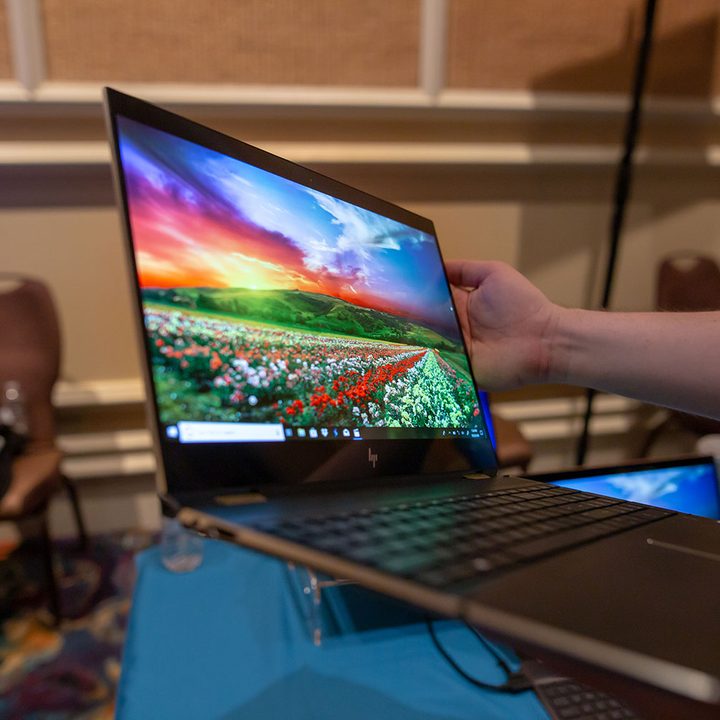
OLED laptops briefly appeared in 2016 and were available for a short time. Then they disappeared, like your favorite TV show being cancelled too soon. Now, a fresh group of OLED laptops were announced at CES, many of which are scheduled for release later this year. A couple were even shown off at the event.
First is the HP Spectre x360 15, arriving in March. With an AMOLED display from Samsung, this 2-in-1 has a seriously beautiful screen. Sitting next to the LCD model of the same notebook, the difference was striking. The super-deep blacks and insanely vivid colors that come with OLED make it a huge benefit for content creators and people who watch a lot of movies on their laptops. In a different application, Razer showed off a 4K OLED model of its celebrated 15-inch Blade gaming laptop. The fast response times that come with OLED make it ideal for gaming, so long as the graphics card can keep up.


