
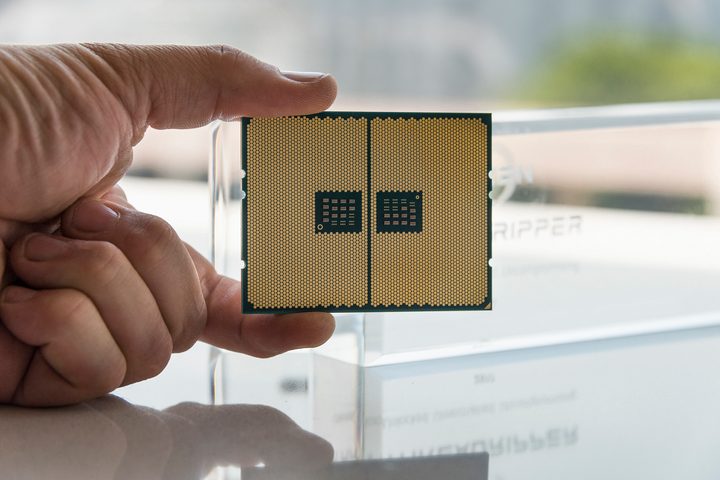
Threadripper has been the jewel in AMD’s crown ever since it launched. It was never a processor meant for the average person, but it was a statement of what the company could do accomplish.
The future of AMD’s high-end processors, though, seems to be up in the air. They were completely absent from this year’s roadmap, leaving us wondering if we’ll ever get a third-generation Threadripper. While the missing Threadripper could be nothing more than a mistake, it did get us thinking about the importance of the chip for AMD’s lineup. Far from irrelevant, it’s a brand that’s just as necessary today as it was when it first debuted.
An important legacy
The first-generation of AMD’s Threadripper CPUs burst onto the scene in August 2017, four to five months after the mainstream Ryzen CPUs. They made a huge impact. These up-to 16 core CPUs showed incredible multi-threaded performance at less than half the price of the comparable Intel 7900 CPUs. Like mid-tier Ryzen chips they weren’t as hot as Intel’s offerings in games and single-threaded tasks, but the value and power were there. That’s especially true for those who needed to run applications that could take advantage of the high core counts.
Second-generation Threadripper chips weren’t quite as impactful, but made huge leaps in core counts, along with a small boost in clock speed to once again challenge Intel’s most expensive offerings. They also fixed some of the memory limitations of the first-generation with higher-speed support and greater L3 cache, to deliver better all round performance than their predecessors.
With Ryzen 3000 CPUs expected to offer up to 16 cores for mainstream CPUs at a competitive price, though, some have argued that Threadripper is no longer relevant, which could explain why AMD has removed it from its 2019 lineup. That seems shortsighted however. Threadripper is far more than just a high core-count CPU line. It also offers masses of PCIExpress lanes — more than 2.5 times that of Ryzen 2000 chips — and though Ryzen 3000 may offer PCIExpress 4.0, we don’t expect its lane count to change. A third-generation Threadripper with 64 or more lanes would still hold a major advantage over mainstream Ryzen CPUs.
There’s also the potential for increased core counts and frequencies to consider. A Reddit thread that has since been deleted (though discussed by AdoredTV at 13 minutes here) suggests Threadripper is receiving a full-stack refresh with a third-generation. That includes core counts that reach 64 on the high-end options, as well as increased clock speeds up to and in some cases, in excess of, 5GHz.
If any of that turns out to be even remotely true and Threadripper still has a place in AMD’s CPU line up, why would it be removed from this year’s roadmap? One possibility is that it could be the first AMD CPU line to debut with DDR5 memory support on a new chipset with a 2020 release date. That, combined with greater memory channel support than mainstream Ryzen CPUs (quad or even octa-channel) would be an intriguing new benefit of a third-generation Threadripper CPU, especially as Ryzen chips close the core-count gap between them.
Even if AMD didn’t increase core counts in line with its Epyc server chips to 64 cores on a top-of-the-line Threadripper CPU, 32 cores on a 7nm Zen 2 architecture, at an increased clock speed, with greater PCIExpress lanes, and less of a memory bottleneck, would make Threadripper an attractive proposition for those looking for high-end multi-threaded performance.
What Threadripper means to AMD
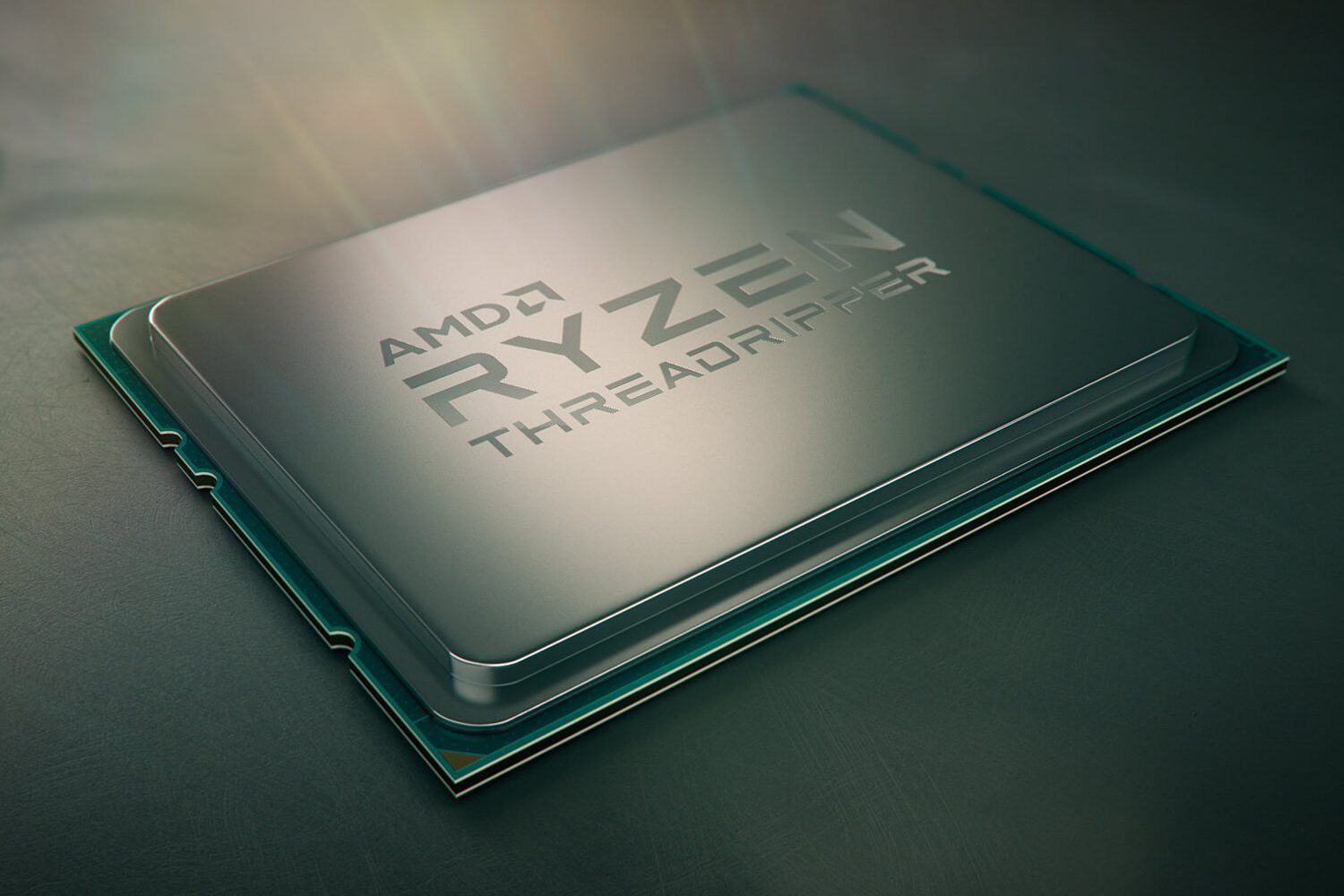
Extreme specification speculation aside though, there’s another reason that AMD and its fans need Threadripper. Mindshare. The mid-range part of a processor lineup might be the most popular and lucrative segment, but the company that holds the performance crown is often seen as the better overall by prospective buyers. Threadripper represents complete overkill for most and especially gamers, but being competitive with Intel in all sections of the CPU market is important for maintaining AMD’s image as a top-tier CPU manufacturer.
By all counts, Ryzen 3000 is going to do that job for gamers and mid-tier professional users, but if those chips are competitive with low-end second-generation Threadripper CPUs, AMD needs something else to sit atop the pile. A third-generation Threadripper line would do that. Considering it was planned for this year’s release just a few months ago and has only recently been scrubbed from the roadmap, we’d be shocked if it had been scrapped entirely. Our bet is on a later, 2020 release, to counter Intel’s own planned Comet Lake-S CPUs that same year, pushing the envelope even further. Perhaps with the enhancements we mentioned above.
What better way to dump cold water on Intel’s advance to 10 cores than by releasing a 64-core counterpoint?
Threadripper has always been ridiculous. It’s big, bold, and with more cores than almost anyone can take advantage of. But the ludicrous bleeding edge is what fans love about PC components. Ditching that and focusing exclusively on Ryzen 3000 chips that max out at a probable 16 cores seems like wasted potential. We can’t see it happening.
Threadripper 3000 chips might not be ready just yet, but we believe they’re still coming. When they do show up, the wait will have been worth it.


