
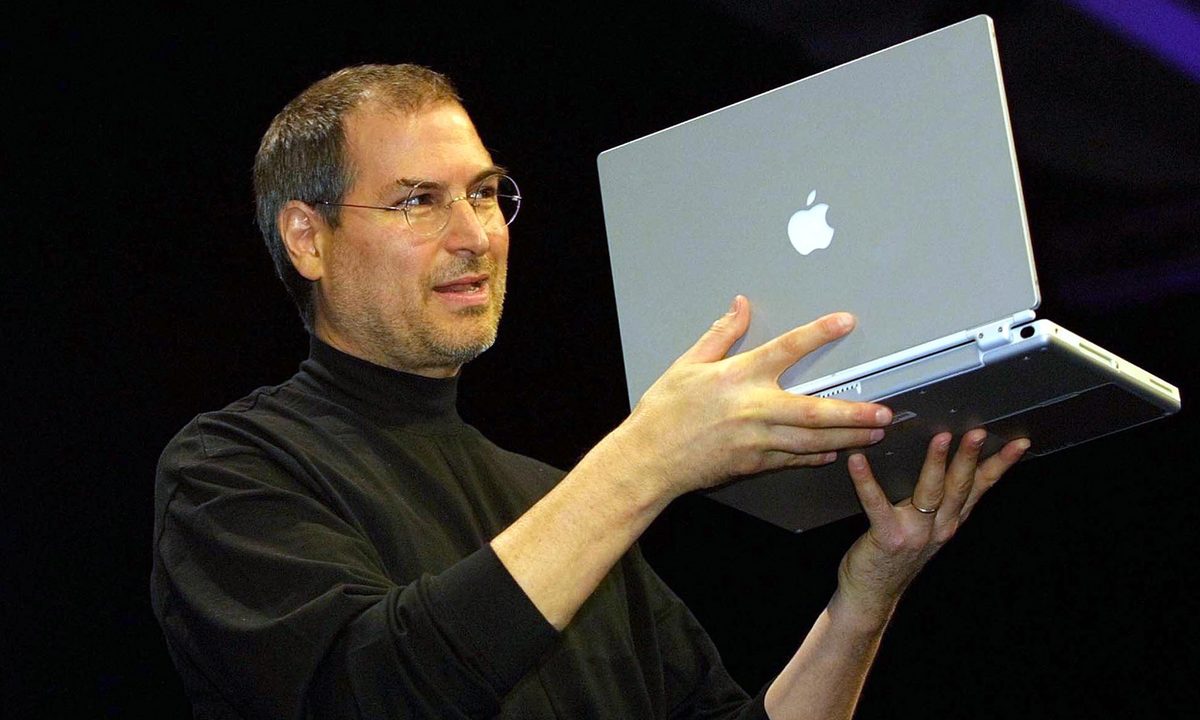
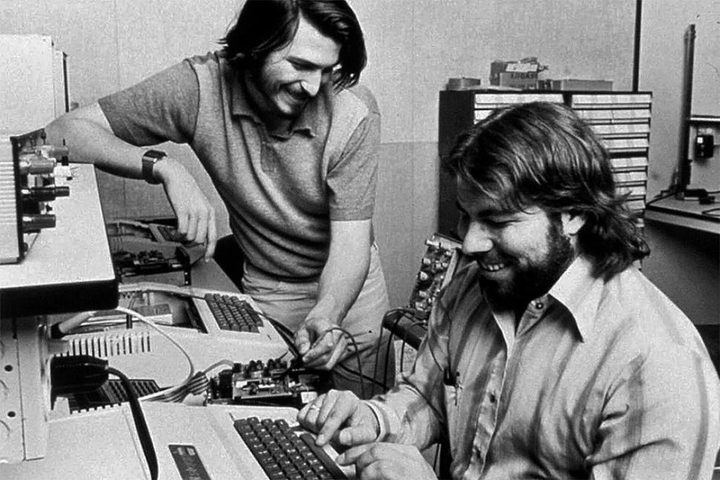
Today marks the 49th anniversary of Apple’s founding. The Mac and iPhone maker was created on April 1, 1976 as a partnership between Steve Jobs, Steve Wozniak and Ronald Wayne (who backed out after a mere 12 days).
What started as a simple setup in Steve Jobs’ parents’ garage has gone on to become one of the most profitable companies in history. It’s created some of the most iconic and recognisable devices in the world and leads the way in phones, computers, smartwatches, and much more.
But these days, it’s not all rosy. Apple might still be making money hand over fist, but its flagship artificial intelligence (AI) product, Apple Intelligence, seems to be in the throes of a full-blown crisis. Ambitious features have been repeatedly delayed, while those that have arrived have been underwhelming and well behind Apple’s competitors’ efforts. It’s all reminding me of one of the roughest periods in Apple’s past.
Apple Intelligence struggles

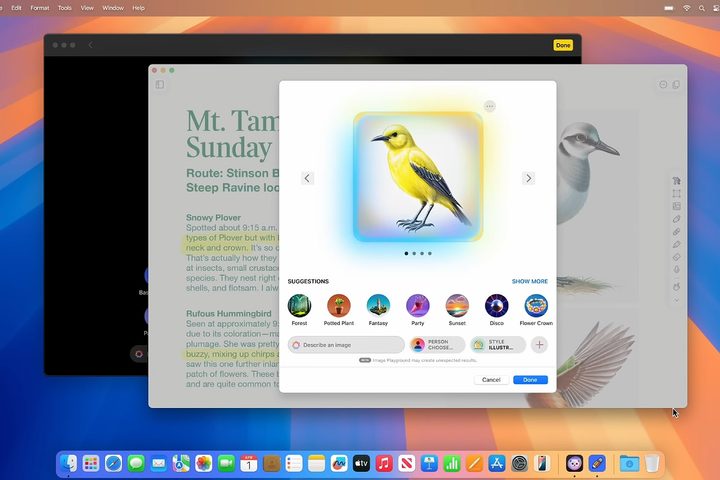
Today, Apple Intelligence is providing the company with one of the biggest headaches in its fifty-year history. Sure, Apple has shipped a few AI features, including Writing Tools and the Image Playground picture generator. But all the most exciting aspects of Apple Intelligence, including a revamped Siri that can fully understand you and what you’re doing at any given moment, have been beset with delays and punted into the long grass.
To me, the problems seem to go even deeper than that. It’s almost like we’re seeing Apple Intelligence undergoing something of an identity crisis.
Ask yourself this: what is Apple Intelligence for? Is it for rewriting text? Creating custom emoji? Summarizing your notifications and emails? Something else? Apple seems to want it to be all that and more, but in the process has failed to make a convincing case for any of them.
The end result is that right now, Apple Intelligence feels like a jack of all trades, master of none. But in order to claw back vital ground on all the best AI tools from its rivals, it needs to be a master of all trades. In each category, it produces passable results for the most part, but it’s often hard to justify using Apple Intelligence when superior alternatives like ChatGPT are available.
There are some plausible exceptions — Apple Intelligence is better for your privacy and is free no matter how many requests you make — but I expect the average user cares more about the end result than any of that. And in that regard, Apple Intelligence is falling behind.
Lessons from the past
There are elements of this situation that remind me of the 1990s at Apple. This was the most tumultuous time in the company’s history, and by the end of the decade, it was on the brink of bankruptcy. I don’t want to sound hyperbolic, and I’m not saying that’s going to happen again — far from it, as Apple is still incredibly profitable — but I can see similarities going back to those key questions surrounding identity: what defines Apple and its products?
Back in the 90s, Apple was selling substandard computers that were just like everyone else’s. It licensed its operating system (OS) to other computer makers, which meant they could undercut Apple and eat its lunch. As a result, it was losing enormous sums of money every year.
Part of the problem was that Apple had lost its identity. It wasn’t giving consumers any reason to buy an Apple computer over any other brand’s wares. What made Apple special back then? Not a lot.
Then at the end of the 90s, Steve Jobs returned to Apple and helped the company regain its focus. He slashed unnecessary projects like the Newton handheld device, he introduced the famous product quadrant to help Apple define who and what the company’s devices were for, and he stopped the OS licensing program. After a few years, Apple was back on its feet.
Apple analyst Tim Bajarin of Creative Strategies has a different take on the matter. Speaking to Digital Trends, Bajarin said that “The problem in the 1990s was poor, misdirected leadership. They lost their focus on core customers.” That’s something that Jobs put right when he returned, Bajarin believes. Speaking of Apple’s leadership today, Bajarin says it is “still strong, focused and I have no doubt they will get their AI products out eventually and get it right.”
Perhaps Apple Intelligence needs a similar refocusing effort to the one initiated by Jobs after his return. Because right now, I can’t really answer the question of who it’s for and why anyone should use it. The only thing that’s certain is that Apple’s big bet on AI is in a tricky spot, and it’s going to require a Herculean effort to get Apple Intelligence on par with its rivals.
As Apple turns 49, it’s surely facing one of its stiffest challenges in recent years. But at the same time, the firm remains incredibly profitable and is doing superbly well in almost all other areas. I don’t think its AI struggles are going to doom the company, and it’s in nowhere near as perilous a state as it was in the 1990s. Yet it can’t afford not to put this problem right before it loses even more ground. Perhaps redefining Apple Intelligence’s identity would be a good starting point.


