
Over the past year or so, a strange contradiction has emerged in the world of Apple: the company makes some of the best computers in the world, whether you need a simple consumer laptop or a high-powered workstation. Yet Apple’s artificial intelligence (AI) efforts are struggling so much that it’s almost laughable.
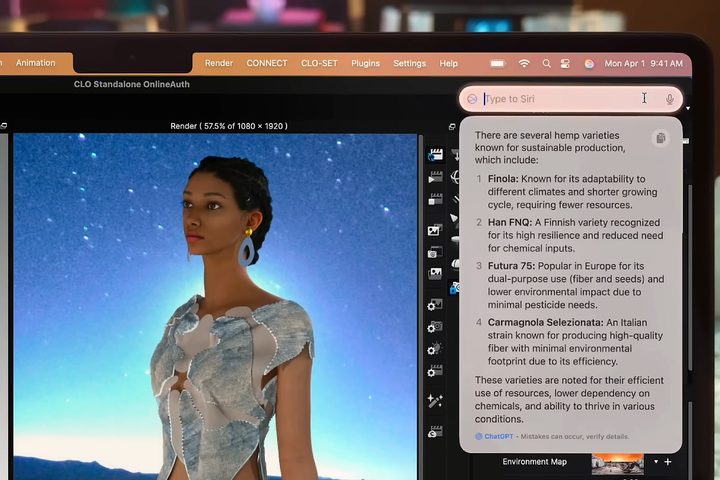
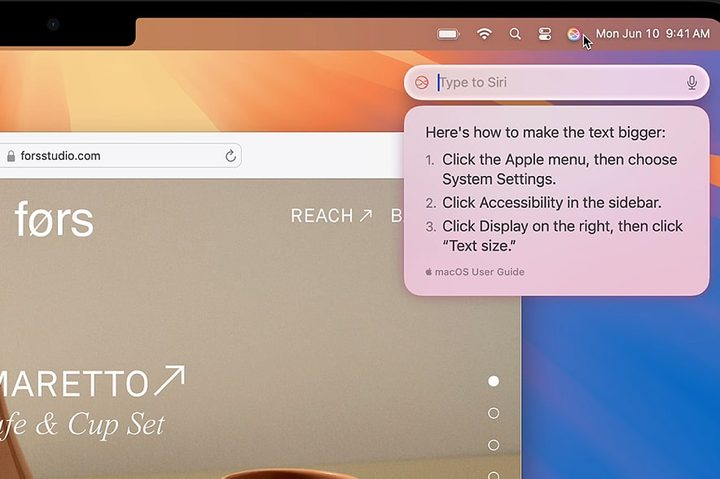
Take Siri, for example. Many readers will have heard that Apple has taken the highly unusual (and highly embarrassing) step of publicly admitting the new, AI-backed Siri needs more time in the oven. The new Siri infused with Apple Intelligence just isn’t living up to Apple’s promises.
A recent thread on Reddit highlights this well. It’s posted by someone who is bewildered by the fact that Siri apparently can’t even tell them what month it is. I tried it and it’s true: say to your Mac or iPhone, “Hey Siri, what month is it?” and you’ll most likely get a response of “Sorry, I don’t understand.” This is an incredibly simple request, yet Siri is totally stumped by it.
But look at Apple’s hardware and you’ll see a different story. The Mac Studio is tremendously powerful — it’s one of the best computers on the market today, and one of the most powerful options available to buyers. And that’s before we’ve even seen what the upcoming M4 Mac Pro is capable of.
And it’s not like we can say that AI is tripping Apple’s hardware up. The Mac Studio is, after all, an AI beast. That point was aptly demonstrated by Alex Cheema of AI firm EXO Labs, who posted a video on X showcasing a dual Mac Studio setup running the immensely demanding DeepSeek R1 large language model entirely on-device. The Mac Studios packed in 1TB of combined memory and cost upwards of $20,000 for the pair, yet that’s a fraction of the cost of any other alternative, is just as capable, and lets you do everything from your desk instead of a data center.
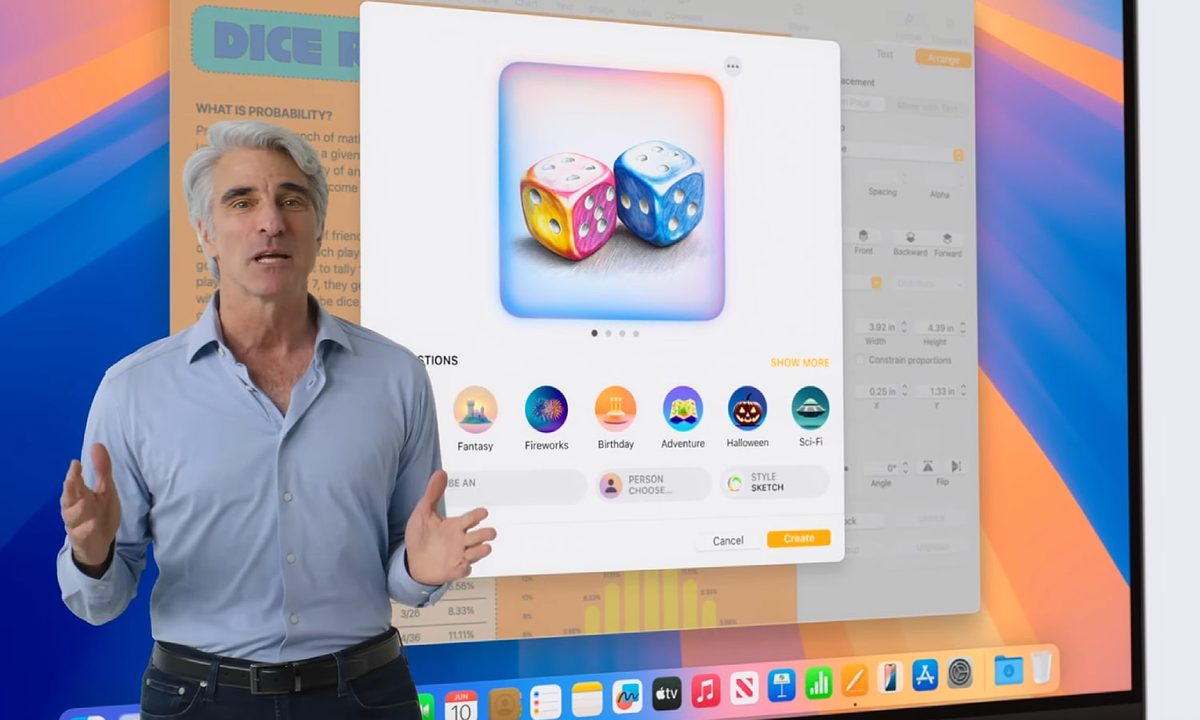
In other words, Apple’s hardware is incredibly capable. Yet the company’s AI software is so disappointing that all that compute power is being wasted on creating frivolous Genmoji and incorrectly summarizing your notifications. The interesting, powerful parts of Apple’s AI software — a more personalized Siri that’s aware of your individual context, for example — just aren’t ready yet.
Hardware and software

This situation shouldn’t just concern you if you are a demanding AI pro — it’s a worry for us consumers too.
The tight integration of Apple’s hardware and software has always been one of the company’s core strengths. It’s what enables brilliant features like iPhone Mirroring, Universal Control, Continuity Camera, and so much more. But now, it seems like the software is falling behind, right at the time when Apple needs to get it right.
That’s because Apple’s AI advantage is privacy. For example, thanks to Private Cloud Compute, you can run intensive AI tasks while keeping your data safe. Apple also agreed special terms with OpenAI to ensure that its ChatGPT integration protects user privacy.
I’m rooting for Apple here because I want an AI that doesn’t abuse my private data. Yet if Apple’s AI software efforts are lacking, the risk is that people turn to more unscrupulous alternatives instead.
And this whole debacle brings up a broader question: will Apple be able to sustain the strong links between its hardware and its software?
Here, I imagine — and hope — that the answer is yes. Apple is struggling to get its AI hardware and software on the same level, but I see no reason to be alarmed in other fields.
Of course, that could always change, and AI is a cautionary tale here. Apple mustn’t let its software fall behind its hardware (or vice versa) or it risks losing out. With the stakes so high, that’s bad news for everyone.


