
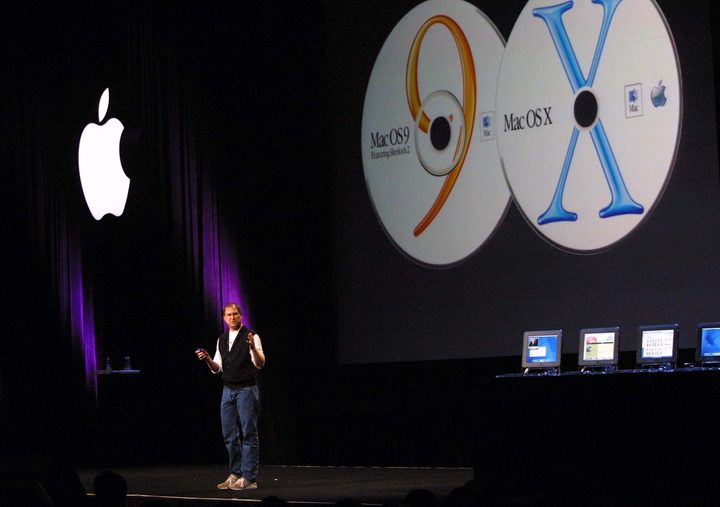
Today marks the 20th anniversary of Mac OS X, the Mac operating system that changed everything. Arriving only a couple years after the first iMac, it helped forge Apple’s image as the king of cool — and changed computing forever.
At the turn of the millennium, Apple was the talk of the tech world. The company had nearly gone bust before Steve Jobs’ dramatic return in 1997, but just a year later, it launched the playful, colorful iMac G3 to massive acclaim. While the hardware felt downright space age, the operating system looked dated, full of dull grays and boxy windows.
Then along came Mac OS X in March 2001. Sporting the bright, bold Aqua theme with its drop shadows and translucent blue menus, it was the visual makeover Mac software so desperately needed. Now, using the computer felt as good as looking at it.
The attention to visual detail helped define Apple as a company that “got it,” one that flaunted its design prowess as if no one were looking — but in reality, the whole world was. As the iMac G3 had before it, Mac OS X showed that computers need not be the exclusive domain of nerdy techno-shamans and button-down businessmen. Instead, they could be fun, frivolous, and feisty. In other words, they belonged as much in the living room as they did in the boardroom.
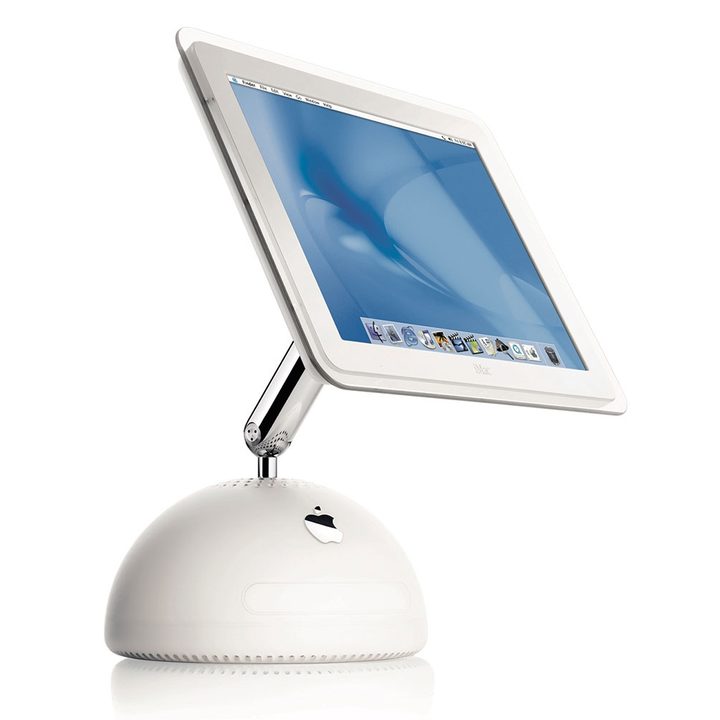
This was the era of the “sunflower” iMac G4, the Power Mac G4 Cube, the iPod. Apple was miles ahead in the hardware design world, and once Mac OS X came along, it could rightly claim that was true for software as well. Yet this was not inoperable, impenetrable software laden with jargon. It was something anyone could use. As Steve Jobs famously said: “It just works.”
Beauty and brains
What made Mac OS X so great was not just its gorgeous looks — it also had a ton of awesome features. The Dock? That was Mac OS X. The Mail app? That too. It saw the launch of other apps like Address Book (now known as Contacts) and TextEdit that are still with us today. And it was underpinned by key features like the Terminal, OpenGL graphics support, AppleScript, protected memory, and many more. It was not just a pretty face — it had the brains, too.
In the years since Mac OS X launched, it has gone through many changes, including its name, which switched to OS X in 2012 and macOS in 2016. Gone is the price tag (the first version of Mac OS X cost $129) and the PowerPC processors, with Intel on the way out, too. But those are all, arguably, positive losses. Mac OS X has lost remarkably little of what originally made it great 20 years ago.
These days, there is a renewed focus on the Mac after many years seemingly in the wilderness, largely thanks to the shot in the arm Apple’s M1 chips have given the platform. Here’s hoping we are on the brink of another golden age of the sort we enjoyed under Mac OS X.


