
The Vision Pro headset is totally new territory for Apple, so it’s no surprise that the company has been dreaming up some unusual ideas for how it will work. But new information has come to light that seems pretty out there even by the Vision Pro’s standards.
That’s because the headset might be able to gauge your mood and physiological state, then change what you see in order to create a specific emotional reaction. In other words, if it detects you’re getting too stressed out by whatever is on the screen, it might automatically change your content to something more palatable. That sounds a lot like another idea Apple had that would send you on a mood-altering trip while wearing the Vision Pro.

This new info has emerged in a freshly published patent. It explains how the Vision Pro could potentially be stuffed with physiological sensors that gather information about a user. That data could then be used for all kinds of purposes, and some of them are absolutely fascinating.
Given that those physiological sensors may include a “brain activity sensor, muscle activity sensor, or heart rate sensor,” there’s a lot of data that the Vision Pro could have at its disposal. There may even be “an electrode for electroencephalography” that could be used to see what your brain is up to. The sensors could also detect force, temperature, moisture, displacement, and much more.
Heightened immersion
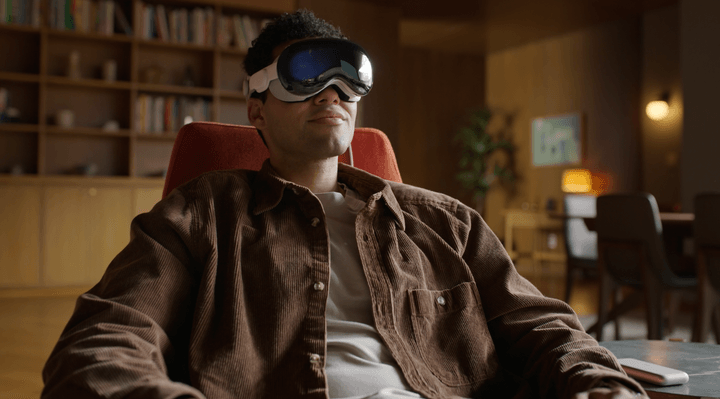
What does Apple have in mind? Well, the company says the information gathered could be used “for physiological identification, assessing user fit, assessing and/or guiding placement, varying graphical content, and simply outputting physiological information for other purposes, such as individual health monitoring, multiperson health studies, or yet-to-be determined uses.”
That sounds like it might want to show certain content based on who is wearing the headset, or check that you haven’t put it on sideways.
But it’s the “varying graphical content” part that is the most interesting. It suggests that the Vision Pro could work out that content on its screen is causing an adverse reaction and alter it accordingly.
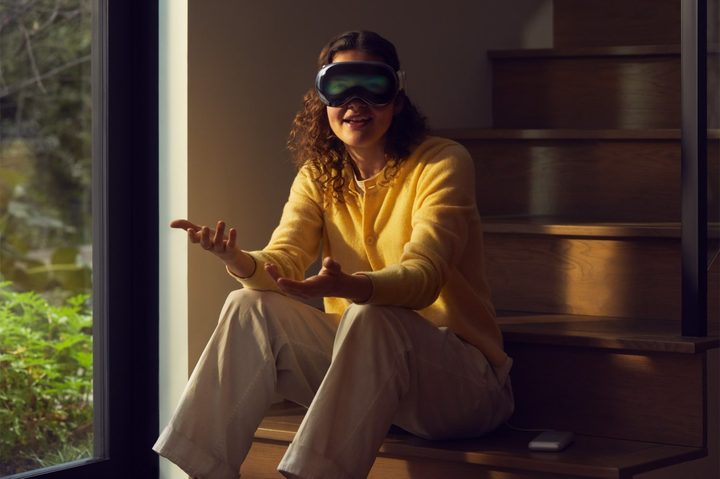
Or, Apple says, if the app you’re using is designed to create a heightened emotional state, “the graphical content may be provided in a manner intended to change the emotional state of the user away from the calm emotional state.”
That could create a much more immersive experience, where the headset works in tandem with the content to potentially engineer an emotional response from a user. Whether you’re watching a frightening horror movie or playing a heart-pounding game, there are some interesting ways content could benefit from this idea.
Then again, it might feel like the headset is more in control than you are. After all, giving the Vision Pro the power to do whatever’s necessary to invoke the emotional state it thinks is appropriate feels like it could produce some pretty adverse results. Apple will need to get it right to avoid ruining movie night for its users.


