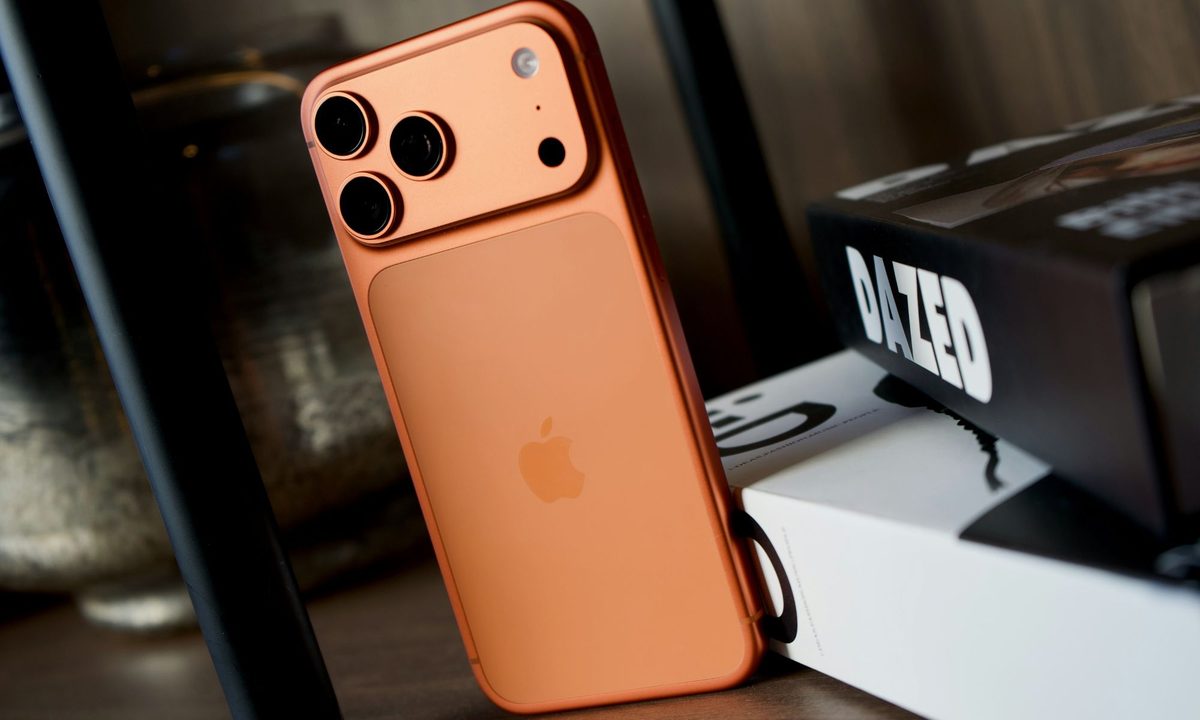
For a while, I had convinced myself that my next iPhone had to be a Pro. Not because I had genuinely thought about what I needed from a phone, but because the marketing slowly wore me down. The triple cameras, the titanium build, the ProMotion display, the idea that it could handle absolutely anything — it all created this lingering feeling that choosing the regular iPhone would somehow mean compromising. Like I would be missing out on the “real” experience. Then I stopped looking at spec sheets and started looking at my actual usage. And honestly, the entire argument for buying a Pro quietly fell apart.
Apple really knows how to make you doubt the regular iPhone
Apple is incredibly good at making the Pro feel essential. Every September, the keynote follows the same pattern. The regular iPhone gets its moment, sure, but the second the Pro models appear, the entire presentation shifts gears. Suddenly, it is all about the “best” cameras, premium materials, exclusive features, and cutting-edge performance. Even without saying it directly, the message lands pretty clearly: this is the iPhone you are supposed to want. The regular model almost starts to feel like the compromise option for people with simpler needs.
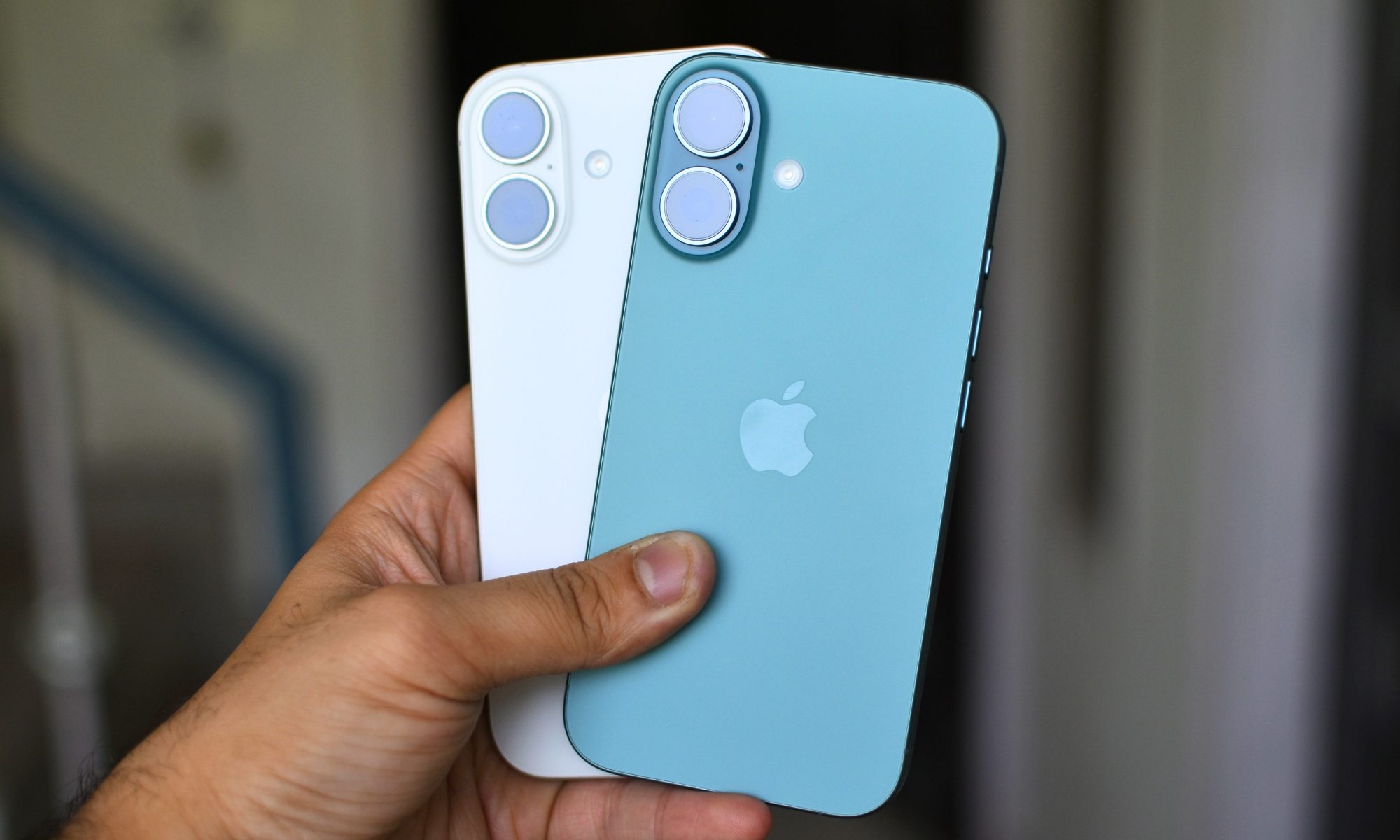
And honestly, that strategy works. Not because Apple is misleading anyone, but because the Pro genuinely is a more capable phone. The cameras are better, the build feels more premium, the extra features are real, and for the people who actually use them, the higher price absolutely makes sense. The problem starts when “this is better” quietly turns into “I need this.” That is the leap many of us make without ever stopping to think about whether those extra features would actually change how we use our phones day to day.
I kept chasing Pro features I barely used
When I stopped thinking about how I imagined I used my phone and started paying attention to how I actually used it, the reality turned out to be pretty ordinary. Most of my day is spent doing the same things most people do: scrolling through social media, replying to messages, listening to music, watching the occasional YouTube video, reading things I am interested in, checking emails, using Maps, and taking calls.
And yes, I do take a lot of photos. But when I really thought about it, I realized I was not taking the kind of photos that truly demanded a Pro-level camera system. Most of my shots happen in good lighting, with little effort, and honestly, modern smartphones are already excellent at that. I was rarely in situations where I genuinely needed a dedicated telephoto lens or the extra computational photography tricks that Apple reserves for the Pro models. And on the few occasions where camera quality actually mattered for work, I usually had a proper camera with me anyway.
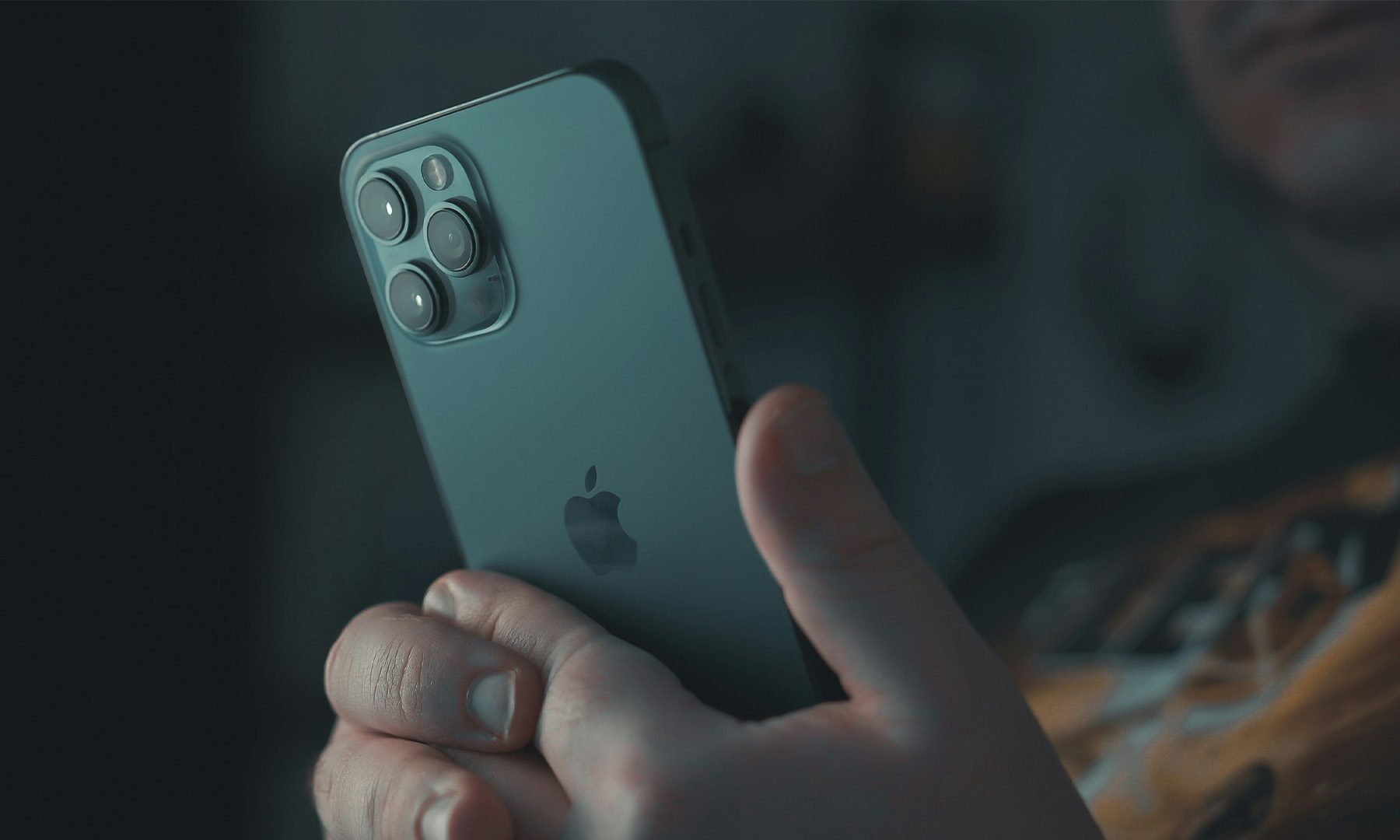
Then there was ProMotion — probably the feature I used most often to justify wanting a Pro iPhone. For years, the smoother 120Hz display felt like one of the clearest reasons to spend extra on the Pro models. And to be fair, the difference is real. Scrolling feels smoother, animations look nicer, and everything feels slightly more fluid. But over time, I realized something interesting: it was a feature I appreciated most when I was actively paying attention to it. In everyday use, my brain adapted pretty quickly, and the standard iPhone never really felt slow or frustrating to use. Now that the iPhone 17 lineup finally brings high refresh rate displays to the regular models as well, that whole justification has mostly disappeared for me. One of the biggest reasons to go Pro no longer feels exclusive, and the standard iPhone suddenly makes a lot more sense than it used to.
The vanilla iPhone is carrying lot more weight than people admit
The regular iPhone has become strangely easy to underestimate, mostly because the conversation around it is always framed by what the Pro models have that it doesn’t. But when you stop comparing spec sheets for a moment and look at the standard iPhone on its own, it is actually an incredibly complete device.
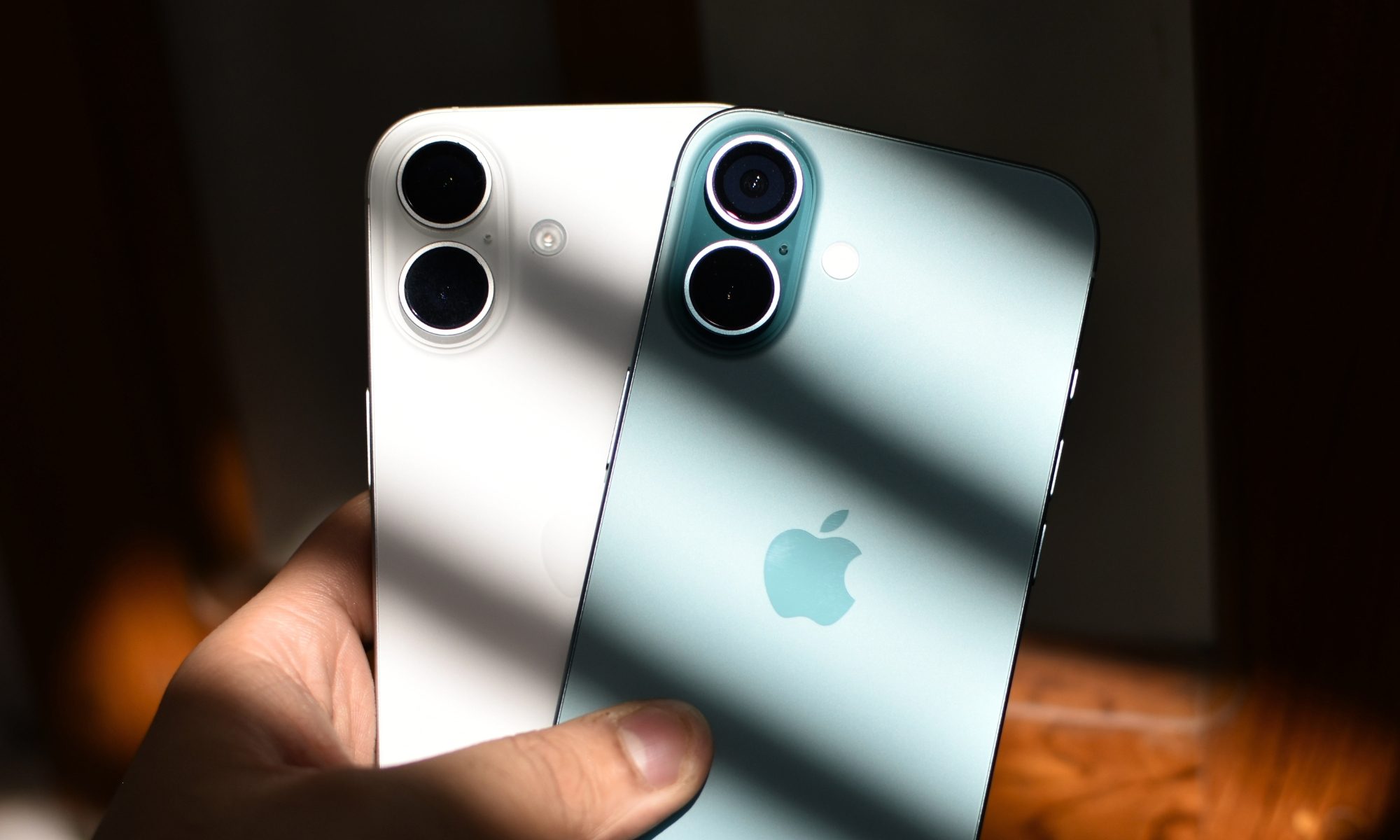
The main camera is already excellent for the kind of photos most people take every day. Performance is rarely an issue either, especially now that the regular models often share the same core chip architecture as the Pro versions. Whether it is social media, gaming, multitasking, editing photos, or juggling a dozen apps at once, the phone handles it all effortlessly. The display is good, battery life has improved a lot over the years, and you still get the same software experience, the same long-term updates, and the same overall reliability that people buy iPhones for in the first place.
And honestly, for the way I actually use a phone — and probably for the way most people use one — the regular iPhone no longer feels like a compromise at all. It only starts to feel “lesser” when you compare it side-by-side with a checklist of Pro-exclusive features.
The moment I realized I was shopping for a fantasy version of myself
I am not trying to convince anyone not to buy a Pro iPhone. For some people, the extra features absolutely make sense. If you shoot a lot of video, regularly use the telephoto camera, care deeply about the premium build, or genuinely benefit from those advanced tools, then the higher price is probably justified. Those are real advantages. But they are also very specific advantages — the kind that come from understanding your own habits, not just getting swept up in the excitement.
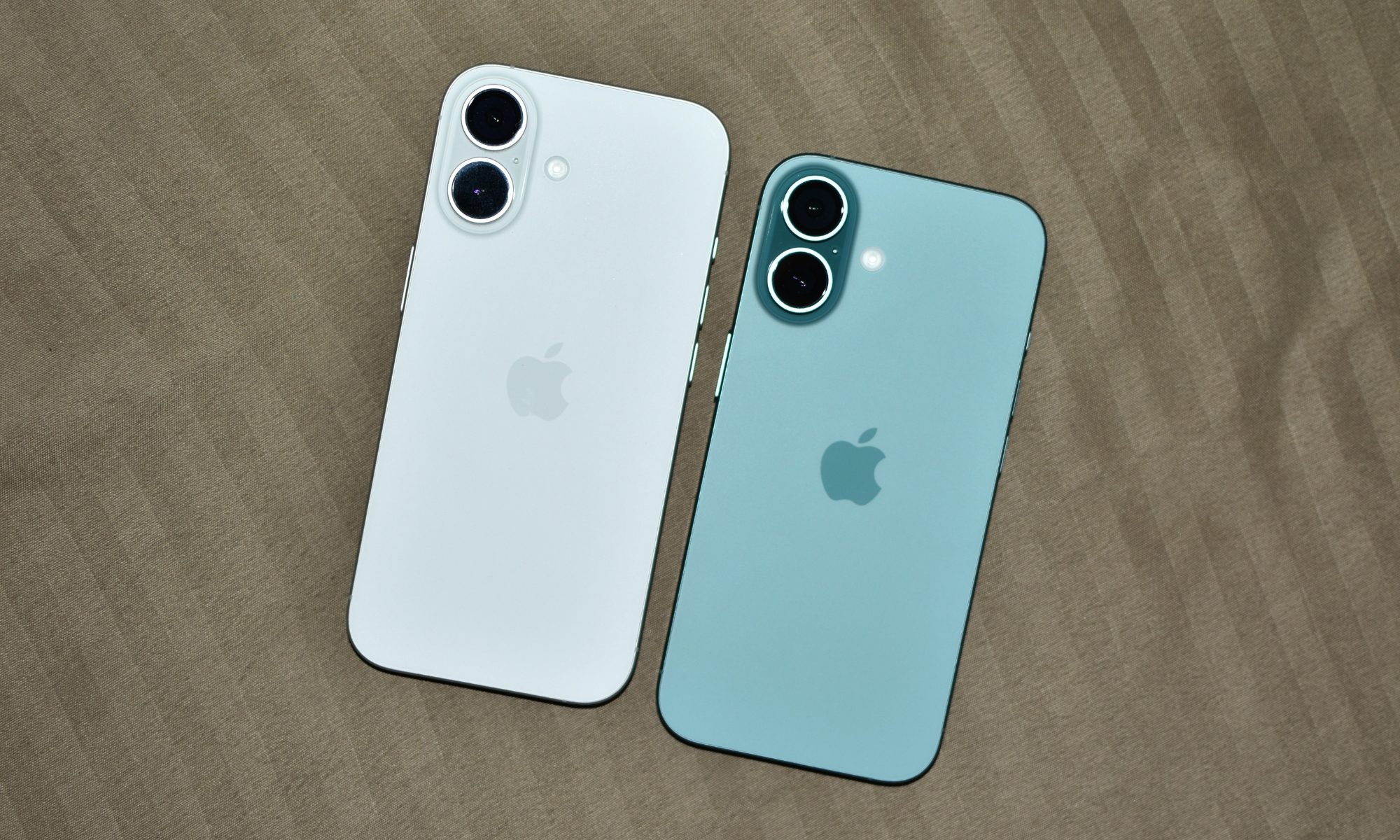
Before jumping ship, ask yourself one simple question: Which Pro features do I genuinely use right now? Not the ones that look impressive on paper, but the ones that actually show up in your daily routine. And once you look at your real usage honestly, the answer often becomes much clearer than you expect. Sometimes, the regular iPhone is not the “lesser” choice at all. It is simply the phone that already fits the life you actually live.