  1. Home
  2. Computing
  3. Apple
  4. News

Apple may finally ditch the troubled butterfly keyboard in future MacBooks

Add as a preferred source on Google
Digital Trends

Apple is finally giving up on its controversial “butterfly” keyboard design, according to a reliable tech analyst. Now that Jony Ive is leaving the company, could his thin and light keyboard be the first victim of his departure?

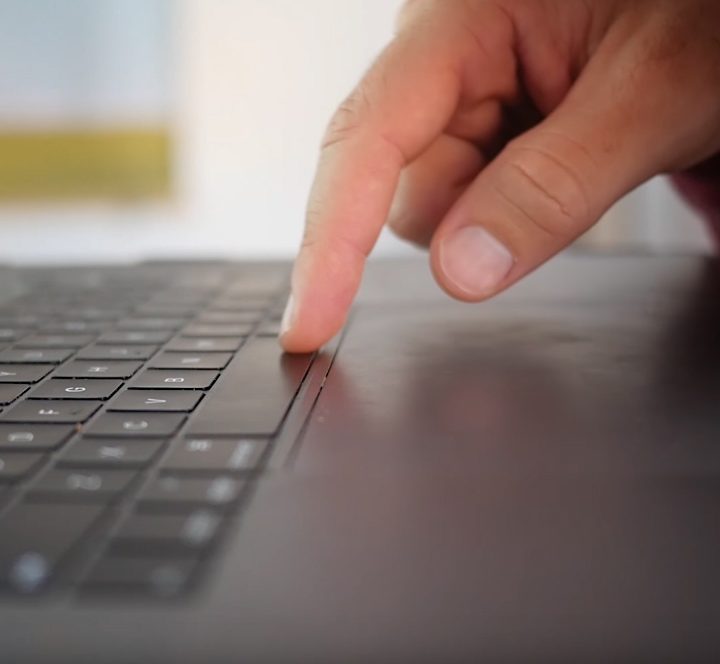
The butterfly keyboard, first introduced in 2015’s 12-inch MacBook, features larger keys and far less travel than Apple’s previous keyboard designs. However, it has been beset with problems ever since it was introduced, with frequent complaints of keys getting stuck, not responding to presses or repeating keystrokes. Apple even apologized after a Wall Street Journal article highlighting the problem went viral.

Recommended Videos

Now, it seems that Apple is giving up. In a new report, reputable analyst Ming-Chi Kuo says that Apple is set to introduce a new scissor-switch design backed up by glass fiber-reinforced keys as early as this year in a new MacBook Air model. The keyboard will then make its way into a new MacBook Pro in 2020, he contends, with the butterfly keyboard being phased out over time.

Over the years, Apple has revised its butterfly design no less than three times, with the introduction of various membranes under the keys (officially to make key presses quieter, but widely seen as an attempt to prevent dirt ingress), as well as new materials for the key mechanisms. However, none of these changes have been able to truly rectify the problem.

Kuo is widely seen as one of the most trustworthy, well-connected Apple analysts in the world, with predictions that frequently come to fruition. That he believes Apple will give up on the butterfly keyboard and return to a scissor switch — despite Apple saying the butterfly switch provides “four times more key stability than a traditional scissor mechanism” on its website — is therefore significant.

Kuo also says that the new design “could improve the typing experience by offering longer key travel,” according to MacRumors, and would also be cheaper to manufacture than the current butterfly switch (though not as cheap as standard laptop keyboards).

Interestingly, although Kuo says the new scissor switch will result in a thicker keyboard, it won’t be by much. He says he believes that “most users” won’t be able to tell the difference between the new and old designs.

This isn’t the first time Apple has had to throw in the towel on a project in recent years. In March 2019 the company had to cancel its AirPower charging mat before it was released, as it just couldn’t design a mat that met its high standards. It was widely reported that the device, which would let you place a device anywhere on the pad and have it start charging, was overheating to unsafe levels.

We’re hopeful for the new keyboard design. While we noted the 2019 MacBook Pro’s keyboard was quiet and comfortable, it was still a far cry from something we would universally recommend. Bring on the redesign.

Alex Blake
Alex Blake has been working with Digital Trends since 2019, where he spends most of his time writing about Mac computers…
Intel Core 3 test shows it could give Windows laptops a fighting chance again MacBook Neo
Fresh PassMark scores suggest Wildcat Lake is closing the gap with Apple's A18 Pro.
Intel Core Series 3 Processors Featured

Apple's MacBook Neo has shaken up the budget laptop market with its $599 price tag and surprisingly capable A18 Pro chip. But if fresh benchmark numbers are anything to go by, Intel may finally have a worthy response. The company's upcoming Core 3 304 processor has surfaced on PassMark, and the results suggest that entry-level Windows laptops could soon be much more competitive.

Intel's Core 3 304 is closing the gap with Apple's A18 Pro

Read more
Hackers leak facial recognition records tied to millions of Madison Square Garden visitors
Facial Recognition Composite

Madison Square Garden has spent years using facial recognition technology to monitor who enters its venues. Now, that same surveillance system is at the center of what could become one of the year's most troubling privacy breaches.

The cybercrime group ShinyHunters has published a massive cache of data allegedly stolen from Madison Square Garden Entertainment after the company missed a ransom deadline. According to reports, the leak includes facial recognition records, customer information, internal security assessments, and other sensitive data tied to millions of visitors. While large-scale breaches have become depressingly common, this one feels different. Most data leaks involve passwords, email addresses, or financial information. This breach reportedly includes something far more personal: information connected to how people were monitored and identified in physical spaces.

Read more
Windows 11’s modern Media Player is somehow worse than the version from 17 years ago
The modern Media Player for Windows 11 is slower and heavier than the classic version
Windows 11 media player user interface

Microsoft has released a new Insider Preview update for the modern Windows 11 Media Player. However, the app is facing criticism after tests revealed it uses more memory and opens local video files more slowly than the classic 17-year-old Windows Media Player.

The update adds some useful fixes, including better captions, clearer codec errors, and improved file recognition. But the biggest complaints remain higher RAM usage and paid codec support for some common video formats. The update is not available to everyone yet. Media Player version 11.2605.14.0 has only arrived on Experimental Insider builds as part of Microsoft’s June 12 Insider Preview releases.

Read more