
  1. Home
  2. Computing
  3. News

Are you using ChatGPT or Claude for writing work? A study says you may be landing in a fluency trap

Researchers followed students using AI writing tools for two semesters and found that polished output is the problem, not the solution.

Add as a preferred source on Google
People, Person, Adult
Christopher Gannon / Iowa State University

If you’ve been relying on ChatGPT or Claude to help you with your writing, a new study suggests the polished output you’re getting may be giving you false confidence. Research published in the Computers and Composition journal found that AI writing tools create a “fluency trap,” where refined, confident-sounding output masks shallow thinking and gives writers a false sense that the work is done.

Fluent doesn’t mean finished

Abram Anders, associate professor of English at Iowa State University, and co-author Emily Dux Speltz, assistant professor at the Department of Humanities and Communication at the Embry-Riddle Aeronautical University, followed 38 undergraduate students across two semesters in an experimental “AI and Writing” course. Students came in expecting AI to cut their workload, but it didn’t.
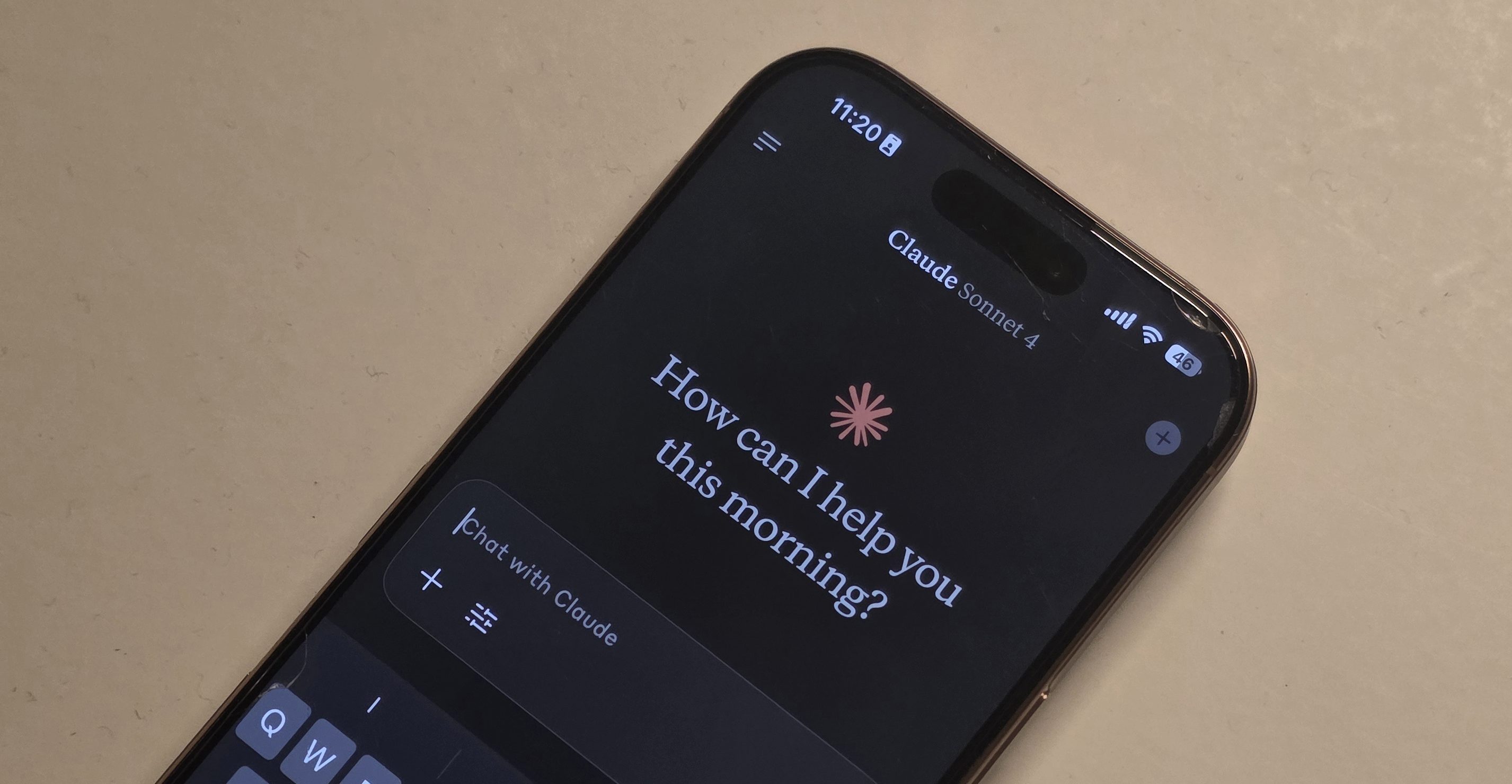
The research explains that the fluency trap sets in because AI produces text that reads as confident and clean, leading writers to trust it even when the content is wrong, shallow, or off-point. Many students initially treated AI like a search engine, entering a vague prompt and accepting whatever came back. Over time, they learned that effective prompting required planning, clarity, and rhetorical awareness, the same skills strong writers already use without AI.

Recommended Videos

“AI writes in confident sentences, uses the right tone and sounds smart,” Anders said. “But that polish can trick students into trusting it, even when it’s wrong, shallow, or missing the point entirely.”

What good AI-assisted writing actually looks like

The researchers identified three things writers need to understand before they can use AI effectively. First, working with AI requires genuine trial and error, not a single prompt and accept. Second, AI output still needs human judgment to check claims, refine logic, and match the expectations of a given context. Third, AI can generate text, but it cannot generate purpose. Only the writer can decide what the writing is arguing and why it exists.

Students who worked through those three thresholds stopped treating AI as a shortcut and started using it to test ideas, evaluate options, and sharpen their arguments. Anders and Dux Speltz describe this shift as moving from outsourcing your writing to orchestrating it.

“AI changes the workflow, but it doesn’t change the fact that writing is thinking,” Anders said. That distinction matters more as AI-generated text becomes harder to tell apart from the real thing.


Pranob Mehrotra
Pranob is a seasoned tech journalist with over eight years of experience covering consumer technology. His work has been…
Intel’s rumored Serpent Lake SoCs with Nvidia graphics may arrive in 2028
Intel and Nvidia could team up on a processor unlike anything seen before
Intel Core Ultra Desktop CPU

Intel’s rumored Serpent Lake processors may have a launch window. According to hardware tipster FX57, Intel is targeting the first quarter of 2028 for processors featuring Nvidia graphics technology. If the schedule remains unchanged, the chips could debut at CES 2028.

The leak does not mention Serpent Lake directly, but previous roadmap reports have linked the codename to a future Intel SoC that pairs Intel CPU cores with an Nvidia RTX graphics tile instead of the company’s own Arc graphics technology.

Read more
WhatsApp Web is finally getting group calls, so you can leave your phone on your desk
Group voice and video calls are rolling out to WhatsApp Web beta testers, with support for up to 32 participants and screen sharing.
WhatsApp open on a MacBook Air

WhatsApp is bringing group voice and video calls to its web client, closing a gap that has existed since individual calling support arrived earlier this year. According to WABetaInfo, the feature is currently rolling out to beta testers and lets users start group calls directly from their browser.

Up to 32 participants, no desktop app requirement

Read more
Chrome is removing the last workaround keeping Manifest V2 ad blockers alive
Chrome 150 removes the last developer flag that power users relied on to keep Manifest V2-based ad blockers like uBlock Origin running.
Google Chrome

Google has been slowly phasing out Manifest V2, the older framework that powers many Chrome extensions, since October 2024. For most users, ad blockers like uBlock Origin stopped working by default well over a year ago. Power users found technical workarounds that kept them alive a little longer, but Chrome's next update removes the last of those loopholes for good.

The last flag falls

Read more