  1. Home
  2. Computing
  3. News

ASUS jumps into the price-hike club with its PC products

Price hikes hit PCs, laptops, and more starting Jan. 5 as memory costs surge industry-wide

Add as a preferred source on Google
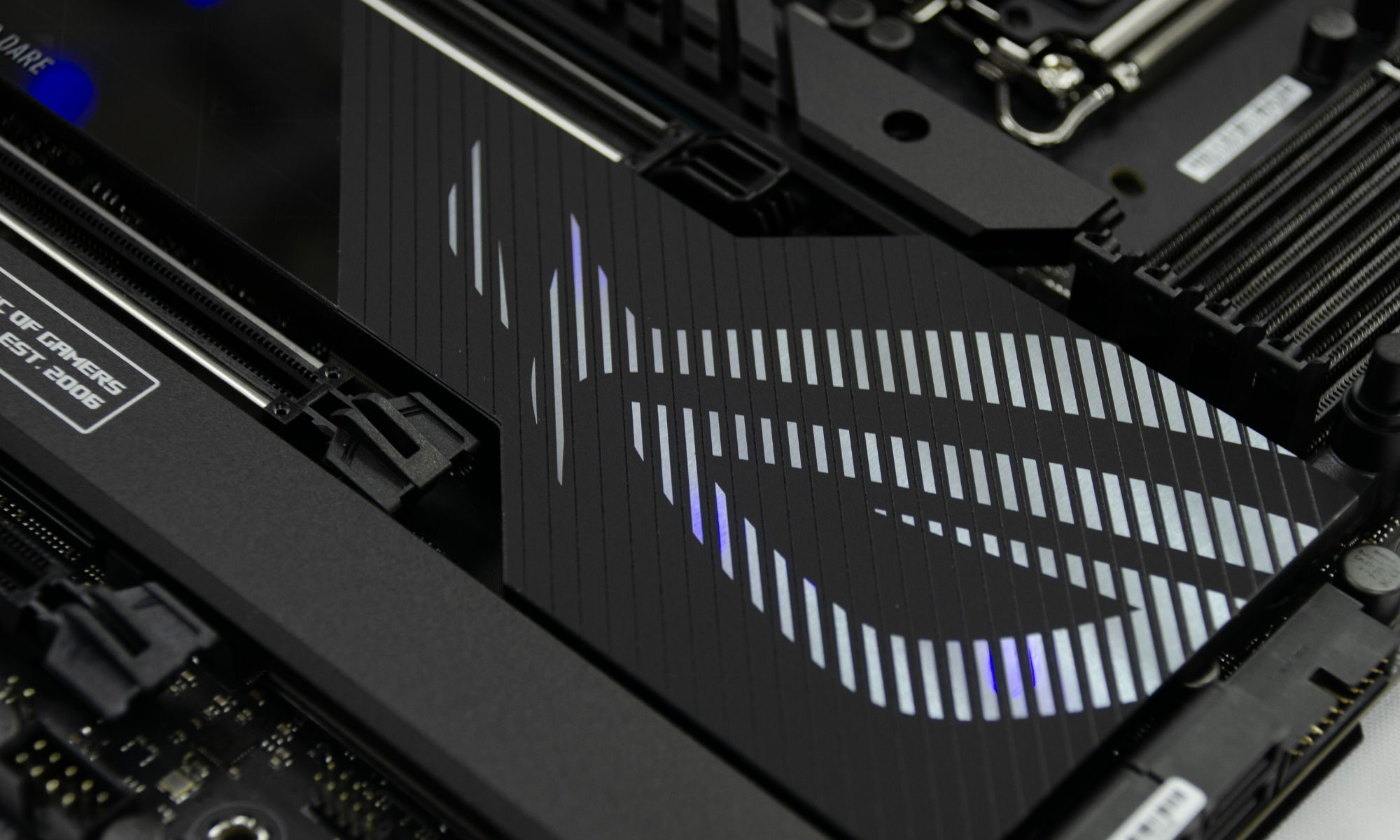
ASUS ROG Zephyrus Logo
昊燃 杨 / Unsplash
CES 2026
Read and watch our complete CES coverage here

ASUS is preparing to raise prices on select PC products beginning January 5, 2026, just days before CES 2026 kicks off in Las Vegas. In a private notice circulated to partners, the Taiwanese tech giant cited rising costs of DRAM, NAND flash, and other key components as the primary reason behind the move. This makes ASUS one of the first major PC manufacturers to publicly confirm price adjustments tied to the ongoing global memory shortage, a trend that has steadily pushed component costs higher throughout 2025.

【ASUS 2026 Product Pricing Adjustment Notice】

2026 Product Price Adjustment Announcement

Dear ASUS Partners and Customers,

Thank you for your long-term trust and support. As we enter a new era of AI-driven computing, enterprises are expanding rapidly while facing structural… pic.twitter.com/SFpNwbYRfa

— Jukan (@jukan05) December 31, 2025

Interestingly, ASUS hasn’t mentioned the exact models affected. However, it’s safe to assume that the price hike will affect all products with memory and storage involved, including laptops, PCs, the ROG Ally handheld, and even GPUs. On one hand, while ASUS committed to building its own RAM to appeal to the market demand and possibly offer cheaper options, especially since Micron shut the Crucial business, this news comes as a massive bummer to the PC audience.

Why this price hike matters

At its core, ASUS’s pricing shift reflects a broader supply-chain squeeze in the semiconductor memory market. After a multi-year stretch of relative stability, DRAM and NAND flash prices have climbed sharply, in part because memory capacity is increasingly being diverted toward high-bandwidth AI systems and data centers. That leaves traditional PC products competing for a more limited pool of supply.

Internally, ASUS describes the increases as a “strategic adjustment” aimed at maintaining product quality and supply stability after absorbing elevated component costs for an extended period. While the company hasn’t shared exact numbers, industry watchers expect the hikes to mirror recent trends elsewhere, ranging from modest bumps to more noticeable jumps depending on the product and its memory configuration.
For consumers, the timing couldn’t be more awkward. With CES 2026 just days away, this announcement adds another layer of uncertainty for buyers already grappling with rising hardware prices. If ASUS products already felt expensive, it may be time to recalibrate expectations. For anyone planning a PC build or upgrade in 2026, keeping a close eye on post-CES pricing, considering refurbished options, or waiting for mid-year component stabilization could be the smarter move. Whether you’re chasing AI features or not, the market is clearly tilting in that direction, and once again, the end consumer is left to absorb the cost.

Varun Mirchandani
Varun is an experienced technology journalist and editor with over eight years in consumer tech media. His work spans…
Spooked by the MacBook Neo, Asus shows off affordable Intel Wildcat Lake laptops
Its new Wildcat Lake laptops bring faster screen specs to Apple’s affordable fight
Computer, Electronics, Laptop

Asus isn’t waiting for Apple’s lower-cost laptop story to settle. Its new Intel Wildcat Lake Vivobook 14SE and 16SE have launched in China, giving Windows laptop makers an early chance to crowd Apple on price and visible hardware.

The sharper threat is the Vivobook 16SE, which starts at CNY 4,599, about $675, with a higher-end display model at CNY 4,999, around $734. That pricier version adds a 16-inch 2560 x 1600 screen with a 144Hz refresh rate, variable refresh rate support, and a 400-nit brightness rating.

Read more
Intel reveals Project Firefly to make cheap Wildcat Lake laptops that rival MacBook Neo
Project Firefly standardizes Wildcat Lake laptop designs so PC makers can chase Apple with lower prices and cleaner hardware
Crowd, Person, Audience

Intel is trying to make budget Windows laptops look a lot less bargain-bin.

Project Firefly, launched in China alongside Intel’s Wildcat Lake laptop chips, gives PC makers a common hardware playbook for thinner, cleaner, lower-cost systems that can take a more direct swing at MacBook Neo. The promise is simple, fewer compromises where budget laptops usually show them most.

Read more
The RAM crisis is about to get uglier, and your new gadgets could pay for it
Nvidia’s next AI monster may squeeze the RAM market even harder
RAM memory chips

The memory market is already in terrible shape, and Nvidia's new Rubin could be kicking it while it's already down. According to a Fast Company report, citing a forecast from Citrini Research, the company's next-gen AI platform could require more than 6 billion GB of LPDDR memory in 2027. With the LPDDR (low-powered memory) primarily being used in phones, tablets, and other portable devices, the price hikes might get even worse.

And if the report is true, Nvidia alone may consume more memory than Apple and Samsung combined.

Read more