  1. Home
  2. Computing
  3. Legacy Archives

Asus reveals the easily upgradeable VivoPC and Windows 8 optimized VivoMouse

Add as a preferred source on Google

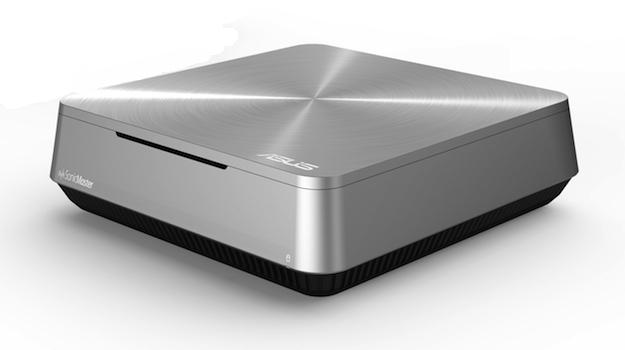
Asus VivoPCThe innovative hardware just kept on coming during Asus’ Computex 2013 press conference, and just before the firm announced the Transformer Book Trio, it talked about the VivoPC and the VivoMouse. These two are clearly designed to be used together, as the VivoPC is ideally suited as a home theater PC, and the wireless VivoMouse has been designed to make navigating Windows 8 a breeze.

Asus’ VivoPC is small and stylish, measuring a mere 56mm tall, with a footprint that’s apparently smaller than, “A sheet of A4 paper.” As it turns out, it’s much smaller, as it’s 190mm square. The VivoPC’s precise specifications are hard to come by at the moment, but we do know it’s Intel powered, and comes with an integrated Intel HD graphics card, plus that it has six USB ports, two of which are USB 2.0, and the other four are USB 3.0.

Recommended Videos

The VivoPC runs Windows 8 and thanks to a removable top, the hardware is easily upgradeable in the future, as inside is a drive bay with space for either a 3.5-inch or 2.5-inch SATA hard drive. The memory slots are also accessible at this point, although Asus hasn’t stated how much RAM the VivoPC comes with as standard. A pair of stereo SonicMaster speakers are built into the case, plus the PC has 802.11ac Wi-Fi support.
Asus VivoMouse
Image used with permission by copyright holder

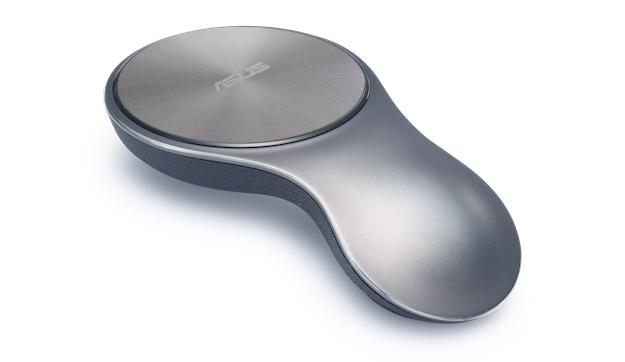
As for the VivoMouse, it really doesn’t look like any mouse we’ve seen before. The flat, ergonomic shape enables one-handed use, and control of the circular touchpad which recognizes Windows 8 gestures. Alternatively, it can be used as a regular optical mouse if you’d prefer, a feature which sums up Asus’ love of providing as many different options as possible to its users.

Asus will release the VivoPC and VivoMouse after the summer, but there’s no information on where it’ll do so, how much either will cost, or if the pair will be packaged together. As always, we’ll update you when we know more.

Andy Boxall
Andy has written about mobile technology for almost a decade. From 2G to 5G and smartphone to smartwatch, Andy knows tech.
Topics
Digital Trends Computex 2026 Publisher Awards
Computex 2026 had some wild tech, and these were the best.
Digital Trends Computex 2026 Publisher Awards Featured Image

Computex is always chaotic, and Computex 2026 kept the same pace. This year’s show had the usual parade of powerful laptops, overbuilt gaming rigs, and the fun, if not strange, prototypes. AI was everywhere, handheld gaming got a serious power boost, and even monitor makers came ready with displays that sound like they were pulled from a wishlist.

That’s why we’ve put together our Computex 2026 Publisher Awards, spotlighting the products that pushed the show forward.

Read more
Google Search can now monitor the web for updates on things you care about
AI Mode on Google search now lets users create search agents
Google Search information agents featured

Google has started rolling out AI Search agents that can monitor the web for users and send updates when relevant information changes. The feature was first announced at Google I/O 2026 as part of Google’s wider AI Mode overhaul, which also included a redesigned search box, Gemini 3.5 Flash, personal intelligence features, and new agentic tools for creating mini apps and dashboards.

The new feature is called information agents. It is designed for searches that do not end with a single answer. Instead of checking the same query again and again, users can ask Google to keep tracking a topic in the background.

Read more
Apple made Liquid Glass adjustable, which says plenty about Liquid Glass
The new slider is useful, welcome, and mildly hilarious after a year of Apple acting like transparent everything was the obvious future.
Text, Document, Business Card

Apple’s big glassy software future now comes with a way to make it less glassy. In iOS 27, users can adjust the translucency of the Liquid Glass effect, while macOS Golden Gate adds its own Liquid Glass controls under System Settings.

Liquid Glass is still alive across Apple’s platforms, still shimmering through menus and panels, still doing the elegant UI trick Apple clearly likes. The big visual bet has already earned a dimmer switch. After a year of treating translucency like the obvious next step, WWDC’s most revealing design update may be the one that lets people dial it back.

Read more