We all regularly use the internet nowadays for a variety of different purposes. Whether it’s to keep in touch with friends and family, to work from home, or to conduct our banking and bill paying online, it’s important to be secure. One of the best ways to keep yourself secure and your activity private is to use a VPN.
With many different VPN services out there, it can be tough to know which is the best VPN for you but it’s also tricky to know if it’s really worth the expense and effort of setting one up. Fortunately, we’re on hand to help advise you on what the key benefits of using a VPN are and why you should get one. Read on while we take you through them.
Using a VPN keeps you safe
What is a VPN? Essentially, it’s software that vastly improves online privacy.
The biggest benefit to using a VPN is that you’re safer online. By using one, your network information and data appear as if they’re coming from a location that’s different from your own. By doing so, it disguises your location but it also means that any information transmitted looks as if it’s coming from the VPN meaning a nefarious user can’t figure out what you’re doing or where from.
VPNs encrypt the data making it near impossible for anyone to figure out what’s being sent. Imagine a bunch of garbled text. That’s exactly what any hackers will see if they try to infiltrate your data and you’re using a VPN. Look for a VPN that offers military-grade level encryption to ensure you get the best safety.
If you shop online, this is a valuable way to ensure that your personal data is safe at all times.
Using a VPN is also vital if you regularly work from home. If you need to access a work computer remotely, you want to keep extra secure so that there’s no risk to you, your data, or — more importantly — your company’s data. If you regularly work connected to a public network, such as in a coffee shop or similar locale, this is even more important as public networks are typically less secure due to their very nature.
You’re anonymous using a VPN
By using a VPN, you stay anonymous while browsing the internet. That doesn’t just mean it’s harder for hackers to steal your information, it also means that you won’t be targeted by certain websites. Hate receiving an influx of targeted ads that somehow know a little too much about you? If you’re correctly set up your VPN, it will keep you safe and anonymous so you won’t feel like anyone is tracking you to sell you an extra product or two.
It’s extra useful when using a public Wi-Fi network too as it means the company Wi-Fi you’re accessing can’t monitor what you’re up to. At best, a cafe could be using the data to sell certain products to you while at worst, it could be tracking your activities extensively.
Your smart home is protected
If you have plenty of smart home devices, you’re at greater risk of attack from hackers. That’s because many Internet of Things devices don’t have as good a level of security as something like your phone or laptop.
Adding an extra layer of protection by using a VPN that’s hooked up directly to your router means that everything in your home is very well protected. You won’t have to worry about being caught out at any point.
You can access geo-locked content
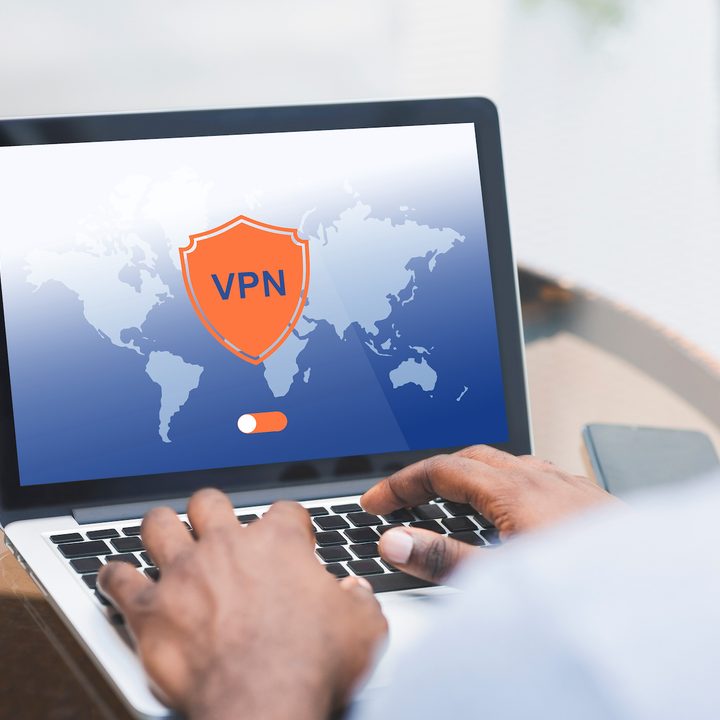
VPNs aren’t just about security. They’re also about changing your location for more entertaining benefits too. Many streaming services like Netflix offer different content depending on the region you’re based in. By changing your location via a VPN, you can pretend to be somewhere else in the world thereby viewing completely different content.
Besides using a VPN for Netflix content, it’s also often possible to access regional sports coverage that is unavailable in your location by changing your VPN settings to the relevant country.
You can avoid censorship
Some countries restrict access to certain websites because of legal limitations or simply censorship. If you’re visiting one of these countries or you live there, you can use a VPN to access the internet through a different country’s server meaning you don’t miss out on valuable content. It’s particularly useful when trying to access social media apps such as Facebook, Twitter, or Instagram which can all be limited by your location.
Censorship doesn’t just apply on a country level either. If you’re using the internet via your company’s or school’s network, you may be limited to what you can do. By using a VPN, you can circumvent any issues.
You can save money
Seriously, it’s possible to save money through a VPN. That’s because some retailers — particularly hotels and airlines — track your network information and can even charge you increased prices if they’ve found you’re regularly looking up flights. Some companies even check to see if you’re a repeat visitor or customer, or if you generally shop at luxury stores online, bumping up the prices accordingly.
It’s a dubious tactic but it happens. Use a VPN to hide your location and you’ll see more realistic prices that are unaffected by how you browse.
Your ISP won’t limit your bandwidth
Some ISPs limit your connection speeds or bandwidth usage if you regularly use the internet to download new content or game frequently (we’ve got a list of the best VPNs for gaming). Using a VPN means they can’t track this, so you can download or game unaffected by any caps.
If you regularly torrent files, you may find yourself limited for bandwidth unless you use a VPN. Remember — torrenting isn’t just for illegal files. It’s also for downloading many large files legally. Using a BitTorrent client can open you up to potential risks, even legally, as your information is shared with other users. Using a VPN means you’ll be anonymous and have plenty of bandwidth spare.
Before considering this option, check your ISP’s limitations. Not all ISPs may limit your connection but if they do, a VPN just reset the clock. It’s a great way to avoid data throttling as there’s no way for your ISP to see how much data you’re using.
The benefits of using a VPN
Simply put, you need a VPN. Using the internet is essential nowadays but that means you’re at greater risk of someone trying to steal your data. If you regularly work from home, it’s even more important to keep safe and secure at all times.
Include the benefits like avoiding geo-restrictions and even benefiting from cheaper tickets and plane rides, and a VPN is a no-brainer of a decision. It’s as vital to your digital security through internet browsing as having a strong lock on your front door is to your home security.
Remember, while there might be restrictions in some territories, in the USA, Canada, Australia, New Zealand, and the UK and Europe, VPNs are legal.