  1. Home
  2. Computing
  3. News

Brian Krebs is back online following a DDoS attack thanks to Google’s Project Shield

Add as a preferred source on Google

Last week the website of cybersecurity journalist Brian Krebs was targeted by a devastating DDoS attack on a massive scale. The attack was so fierce – 620 gigabits a second – that Prolexic, a DDoS protection service that was protecting his site, had to pull its services and Akamai Technologies removed his site from its network. It was just too much to handle and was costing too much money.

Now Krebs is working with Google’s Project Shield, a similar DDoS protection service that is free for journalists and activists and dedicated to protecting free speech and expression. According to Krebs, a number of protection providers approached him after last week’s “historically large” attacks to offer their services.

Recommended Videos

Krebs wrote in a new post that he feels like DDoS attacks are being used as a form of censorship. Sending huge swathes of false traffic can knock a site offline and hamper the spread of information.

The attack on Krebsonsecurity.com came a couple of days after Krebs revealed the inner working of vDOS, a shady Israeli firm that provides DDoS services for a lucrative fee. The owners of the site reportedly made $600,000 over two years but soon after the exposé, two Israeli men were arrested for allegedly running the site.

It remains speculation but the prevailing belief is that someone from vDOS or someone sympathetic to the company orchestrated last week’s onslaught on Krebs. He has been targeted before by cybercriminals unhappy with having their operations exposed but those attacks pale in comparison to this latest episode.

“This is the worst denial-of-service attack we’ve ever seen,” Josh Shaul, Akamai’s vice president of web security told the Boston Globe and the scale of this attack highlighted the censorship issue that concerns Krebs.

Akamai provides protection services, and while its services provided to Krebs were pro-bono, it makes money elsewhere through these services. Krebs added that he doesn’t have any problems with Akamai and Prolexic pulling their service for Krebsonsecurity.com given the arrangement that they had. However paying for these services is likely out of reach for most other journalists, activists, and dissidents, which is why he is now espousing the free Project Shield.

According to Krebs, one other firm offered protection at $150,000-$200,000 a year. “Ask yourself how many independent journalists could possibly afford that kind of protection money?” he wrote.

He added that he is kicking around the idea of starting a non-profit that helps online journalists access security protections.

“Maybe a Kickstarter campaign, along with donations from well-known charitable organizations, could get the ball rolling. It’s food for thought.”

Jonathan Keane
Jonathan is a freelance technology journalist living in Dublin, Ireland. He's previously written for publications and sites…
ChatGPT is recommending scam websites that will steal your credit card info
The chatbot is surfacing fraudulent clones of defunct retail brands, and scammers are deliberately engineering sites to game its recommendations.
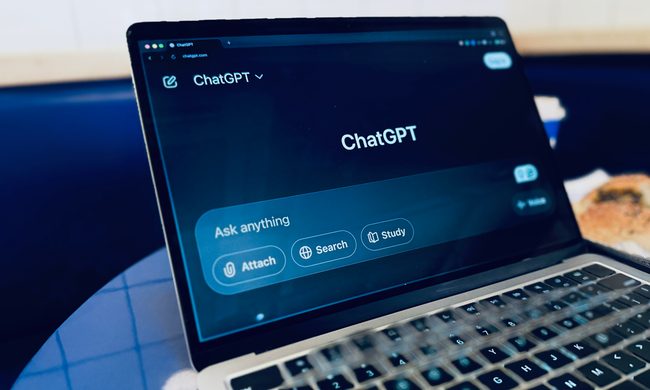
ChatGPT running on a laptop.

Scammers have found a new way to reach shoppers: getting ChatGPT to do their marketing for them. According to The Guardian, scam-checking service Ask Silver found that OpenAI's chatbot is recommending fraudulent retail websites built to harvest payment details from unsuspecting buyers. The sites mimic real storefronts and use official-looking URLs, making them difficult to spot without scrutiny.

Defunct brands are a prime target

Read more
McDonald’s new AI drive-thru has to prove it can handle hungry people
After its earlier ordering bot became a punchline, McDonald’s is testing a new system that promises fewer human handoffs.
Architecture, Building, Hotel

McDonald’s is bringing AI back to the drive-thru with a new Google-backed system called ArchIQ, also known as Archy. It’s starting in five locations under the company’s broader “> NEXT” technology push, with a franchisee claiming the system has already handled more than 1 million orders.

The bigger number is the one McDonald’s needs people to trust. About 90% of those orders reportedly needed no human intervention. That sounds promising, but this is not a clean reset. Its earlier IBM-backed AI drive-thru experiment ended after viral mistakes turned automated ordering into a public punchline.

Read more
Logitech’s Mobi Fold is a pocketable folding mouse for folks who despise trackpads
Logitech’s Mobi Fold looks like a tiny productivity taco
Logitech Mobi Fold

Laptop trackpads are fine until you get really busy. Editing a spreadsheet in an airport lounge, juggling tabs in a café, or trying to do proper work on a tiny hotel desk can make you miss the convenience of a mouse. Logitech has the answer to this with the new Mobi Fold, its first ultra-portable foldable mouse.

While a small portable mouse is something people carry, many choose to skip the added bulk, simply choosing to bite the bullet with the trackpad. But the Logitech Mobi Fold can simply fold flat, and can later be unfolded when you need to work. This makes it pretty convenient to carry. Logitech even made the mouse to automatically power on when opened and turn off when folded.

Read more