
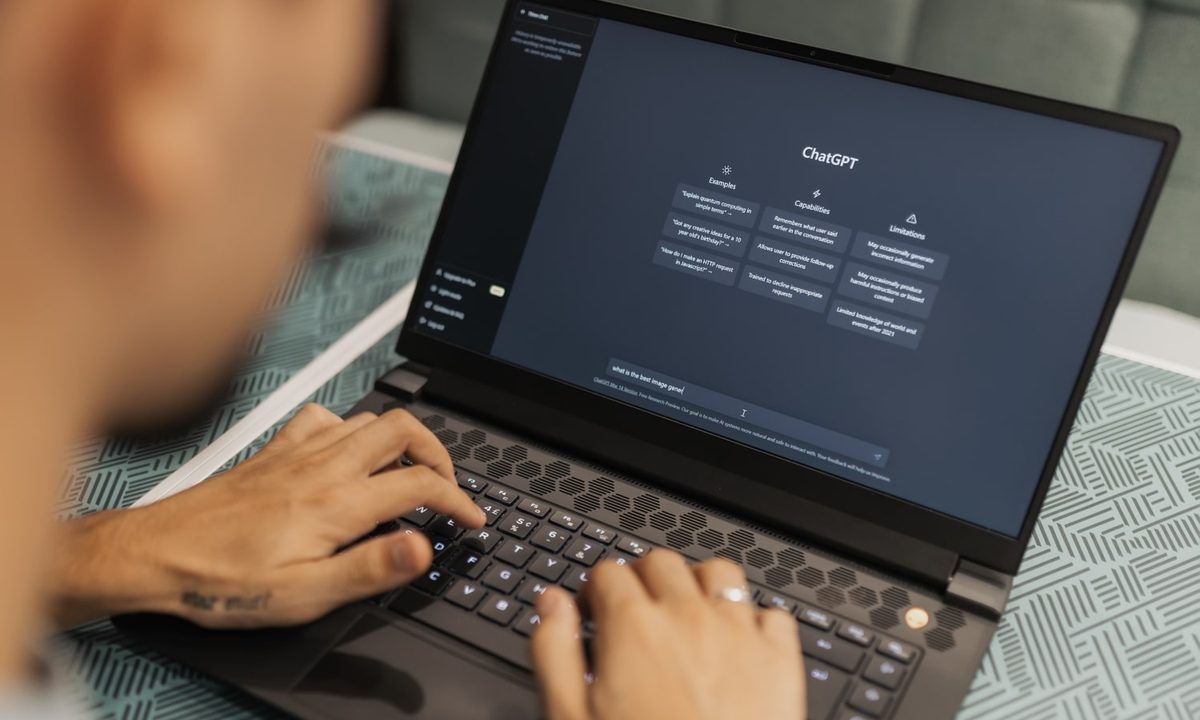
More users and more profit — that’s the aim for ChatGPT going into 2025.
ChatGPT has broken into the top 10 websites on the internet according to some statistics, and a new report says it’s pursuing the lofty 1 billion user milestone in the coming year. The company plans to do this primarily by investing in its own data centers, in addition to deploying several advertising strategies, according to the Financial Times.
While OpenAI has become accustomed to lots of attention, the brand is looking to compete with contemporary companies, such as Instagram and TikTok, that have already amassed and maintained large audiences with stand-out products, Business Insider noted. Instagram hit a lofty 2 billion monthly user milestone in April 2024, with 500 million daily active users. Meanwhile, TikTok sustains over 1 billion monthly active users globally and 150 monthly active users in the U.S., according to Statista.
ChatGPT became an industry darling when it garnered approximately 100 million users in two months upon going public two years ago. Now, it maintains over 250 million weekly active users, the Financial Times noted.
But when it comes to profits, the upward trajectory looks like it’ll require some rethinking. Ads may be on the horizon, according to the Financial Times report. OpenAI CFO Sarah Friar, who previously worked in advertising at Nextdoor, Square, and Salesforce, is heading up the project. She told the Financial Times that OpenAI was weighing up an ads model, and that it planned to be “thoughtful about when and where we implement them [ads].”
While it appears to be in the early stages of construction, Friar says that there are “no active plans to pursue advertising.”
Back in 2023, researchers were already estimating that ChatGPT cost approximately $700,000 per day, or 36 cents per query to operate. The expense has likely not gotten any cheaper as OpenAI advances its technologies and offerings.
What originally began as a research-based service quickly shifted into a product primarily funded by its paid ChatGPT Plus tier, and third-party developers who pay to use the company’s enterprise API. Though OpenAI is expected to bring in a solid $3.7 billion in sales in 2024, the cost of supporting ChatGPT servers, as well as the salaries of employees, may set the company back by up to $5 billion, the publication noted.
OpenAI’s data center projects are set to support all of its future aspirations, with the company looking at the Midwest and southwestern U.S. as the locations for campuses, OpenAI vice president of global affairs Chris Lehane told Financial Times. Prior reports have also claimed the company has been in talks with the White House about its plans for building out data center clusters and the energy they will require.
The company recently went through a round of funding in October, led by venture capital firm Thrive Capital, where it raised $6.6 billion at a $157 billion valuation. While the funding may be a stopgap, with long-reaching plans OpenAI is preparing to shift from a private organization to a for-profit company.
To catch up with its competitors, OpenAI has already begun exploring and researching services in the search engine and browser sector. The publication also added OpenAI has recruited several advertising pros, from notable tech companies, including Meta and Google.


