  1. Home
  2. Computing
  3. News

Digital Trends may earn a commission when you buy through links on our site. Why trust us?

Billions of Intel CPUs are leaking passwords and killing performance

Add as a preferred source on Google
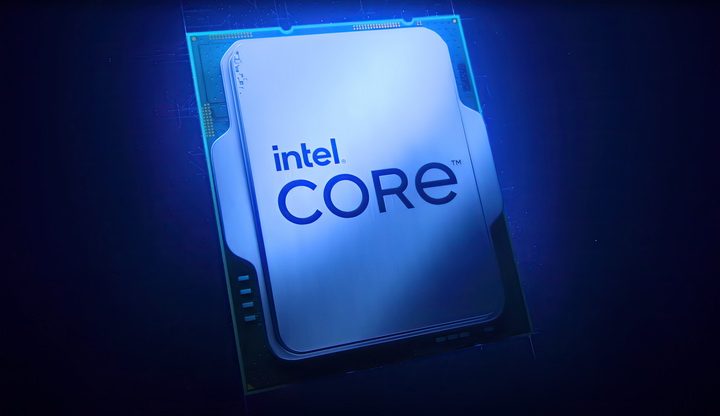
An Intel processor over a dark blue background.
Intel

A scary vulnerability has recently been discovered in some Intel processors, and while the best CPUs are not affected, billions of chips could be. According to the researcher who first spotted the Downfall vulnerability, “everyone on the internet is affected.” This is made worse by the fact that a skilled hacker could steal some of the most sensitive data from affected computers, including passwords.

Downfall was discovered by a senior research scientist from Google, Daniel Moghimi, who created a page dedicated to it, detailing how it works and what it can possibly do. Downfall targets the Gather Instruction in Intel chips, which normally helps the CPU quickly access various data spread all over different parts of its memory. However, with the flaw, internal hardware registers can be exposed to software. If the software is compromised, it’s possible that hackers could seize sensitive data from the PC.

Recommended Videos

The affected CPUs all belong to Intel’s mainstream and server processor lineups, starting from Skylake all the way up to Rocket Lake. This means that, unless you’ve upgraded your CPU in the last few years, you’re definitely affected, but you can check out Intel’s full list of chips that are vulnerable.

As Moghimi notes,  you don’t even need to own an Intel processor to potentially be affected. As Intel dominates the server market, cloud computing environments might be hit by this as well, where “malicious customer could exploit the Downfall vulnerability to steal data and credentials from other customers who share the same cloud computer,” says Moghimi.

While pulling off an actual hack with Downfall seems tricky, there’s a lot at stake, which is why Intel has already released a fix — but the downside is a massive performance loss. Intel was quick to say it would be releasing new microcode for the chips that are affected, and it recommended that users update their firmware to prevent being affected by Downfall. It’s here now, but as noted by Phoronix, the price to pay for not having your password leaked is massive.

A person using a laptop with a set of code seen on the display.
Sora Shimazaki / Pexels

Intel itself estimated a performance loss of up to 50%, with AVX instructions most affected. The good news is that for most users, this won’t be an issue, but the bad news is that AI-related workloads and overall high-performance computing (HPC) tasks are hit pretty hard.

Phoronix tested the impact on Linux with four different CPUs, including a Xeon Platinum 8380, Xeon Gold 6226R, and an Intel Core i7-1165G7. Performance losses range from 6% up to 39%, which, while not as bad as Intel predicted, is still not great.

You don’t need to update your processor if you’re not worried about being affected by Downfall. While Moghimi recommends it, Intel itself allows users to opt out of the extra mitigation in order to restore the full performance of their CPU. If you’re not using your PC for HPC tasks, it sounds like you might as well keep the mitigation on, but Intel has detailed the process of turning it off if you’d rather get rid of it.

Monica J. White
Monica is a computing writer at Digital Trends, focusing on PC hardware. Since joining the team in 2021, Monica has written…
A Google Pixel laptop might be on its way, but does anyone actually want one?
A new Google laptop might be coming, and I hate to be the bearer of bad news, but the odds are not in its favor.
Google Pixelbook in silver.

It looks like a new member is joining the Pixel family, adding to its resurgent smartphone lineup. Code analysis of the latest Android beta points toward a new Pixel laptop that Google might be planning to launch in the near future. Google last launched a laptop, the Pixelbook Go, in 2019, an affordable version of the Pixelbook it put on the shelves back in 2017.

Both the Pixelbook and Pixelbook Go, along with the earlier Chromebook Pixel models, were not what you would call a smash hit with the audience or a runaway commercial success. Ultimately, they triggered Big G's departure from the laptop segment and a shift in focus toward Pixel smartphones.

Read more
AI is entering the Skynet debate moment in the social media hype circles
AI might end the world - but first, it’ll trend on social media
Representative Image

A growing wave of online voices warning about the dangers of artificial intelligence—often dubbed “AI doom influencers” - is reshaping how the public and policymakers view the technology. According to a report by The Washington Post, these influencers, including researchers, tech leaders, and content creators, are increasingly highlighting worst-case scenarios, from mass job loss to existential risks posed by advanced AI systems.

While critics argue that some of this messaging borders on alarmism, the conversation is no longer confined to speculation. Real-world developments in AI are beginning to mirror some of the concerns being raised, blurring the line between hype and legitimate risk.

Read more
You won’t believe it, but Motorola actually makes a terrific head-turner of a laptop
Motorola’s Moto Book 60 Pro is surprisingly stylish, and the pricing makes it even better
Moto Book 60 Pro in PANTONE Bronze Green

Motorola is not the name I expect to see on a genuinely good laptop. A stylish phone? Sure. A foldable with some personality? Absolutely. But a thin-and-light notebook that actually feels well judged on both design and value was a genuine surprise. And yet, the Moto Book 60 Pro is one of the more quietly impressive laptops in its segment.

With the broader laptop market being in a mess, Motorola's laptops feel refreshing. It is capable, attractive, and still approachable at a time when pricing elsewhere has become increasingly rough.

Read more