
  1. Home
  2. Computing
  3. Legacy Archives

Fujitsu shows off Haswell-powered Lifebook UH90 with 3200 x 1800 IGZO touchscreen

Add as a preferred source on Google
FujitsLifebookUH90
Image used with permission by copyright holder

We’re onto the third day of announcements at this year’s Computex, which means the big guns like Acer and Asus have announced all their products, and we’re finally starting to see some of the offerings from other manufacturers. Fujitsu is one such company, announcing the Lifebook UH90 Ultrabook today at Computex.

If the UH90 looks and sounds familiar, it’s because it has a younger brother, the Lifebook UH75, which we saw unveiled last fall. The UH90 sports the same 14-inch screen size as its predecessor, but that’s about all that’s the same.

Recommended Videos

The real news here is the IGZO-based touchscreen, with a max resolution of 3200 x 1800. That should make for a rather sharp picture on a screen that’s only 14-inches diagonally (approximate ppi of 262). The touchscreen itself features a Super Glide Coating to help your fingers move across the screen. Of course, to power a display like that, you’re going to need some major processing power. The Lifebook UH90 includes a 1.6Ghz Haswell-based Core i5 chip and a 500GB HDD. The RAM wasn’t confirmed in the press release, but Fujitsu’s Japanese sites say 4GB will be offered in a standard configuration. Fujitsu also trimmed the thickness off of the UH75, resulting in a 15.5mm-thin chassis on the UH90.

According to Fujitsu, the Lifebook UH90 is also tough and capable of withstanding a weight of 200kgf thanks to its “ultra-compressed solid core.” This weight allowance was calculated during a top-down pressure test performed by Fujitsu. The company used the example of riding a crowded train to explain that the Lifebook UH90 is rugged enough to be carried into busy, public areas without fret of damage.

The Lifebook UH90 Ultrabook should be available in Japan on June 28, but there is no news regarding how soon we will see this product in the U.S. – if we even see it at all.

Russ Boswell
Former Digital Trends Contributor
Russ Boswell is an aspiring video game and technology journalist from Colorado. He's been an avid gamer since he was old…
Old tech keeps coming back because new tech got annoying and we miss simpler times
Dumb phones, discs, cameras, and retro consoles are cycling back because modern tech got too needy for its own good
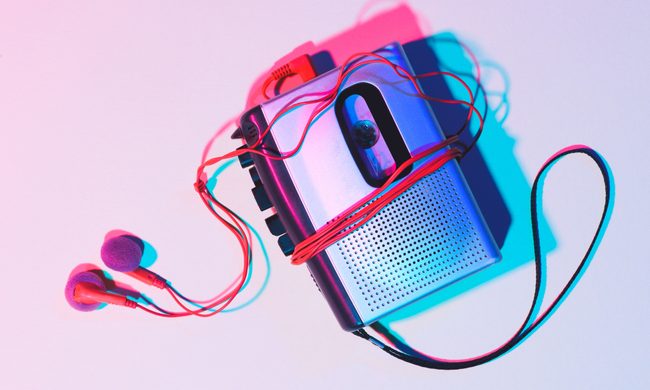
Toned picture of retro cassette player and earphones on tabletop.

Old jeans and old sneakers get a pass because fashion is cyclical. One year something looks dead, a few years later it’s back with a better markup and a straight-faced explanation about authenticity.

I’m starting to see consumer tech the same way. The revival isn’t limited to one corner of the junk drawer, either. It’s showing up in phones, cameras, audio gear, movies, and games. A tiny camera dangling from a wrist has more personality than another glass slab taking overprocessed night-mode shots.

Read more
The best trick AI can pull is disappear into my gadgets instead of turning into a product
AI may finally become useful when it stops announcing itself and starts quietly fixing the annoying parts of everyday tech
Appliance, Blow Dryer, Device

My wife recently woke up from a nightmare where AI had taken over human bodies. The likely culprit was less dramatic: Google Photos kept nudging her to “AI” herself when she only wanted to look at pictures of our cats.

That’s where a lot of people are with AI right now. Curious, tired, mildly creeped out, and increasingly annoyed when normal apps start acting like every action needs a software demo attached.

Read more
Why RAM Is So Expensive in 2026 — And What PC Buyers Should Do
RAM memory chips

If you’ve been planning a PC build or even browsing pre-built systems, you’ve likely run into the same issue: RAM prices are unusually high. In some cases, costs have increased by as much as 500%, pushing up overall system prices and making builds harder to justify.

This isn’t a short-term fluctuation. It’s the result of multiple shifts happening at the same time, most of which are tied to how quickly demand for memory has changed.

Read more