  1. Home
  2. Computing
  3. News

Google Gemini 3 Pro users, your free days might be ending soon

Google cuts back daily quotas for free Gemini 3 Pro and Nano Banana Pro use

Add as a preferred source on Google
Gemini 3
Google Blog

It looks like the honeymoon phase for Google’s latest AI tools is already over. Just weeks after launching its flagship Gemini 3 Pro and the Nano Banana Pro image generator, Google is quietly tightening the belt on what free users can actually do.

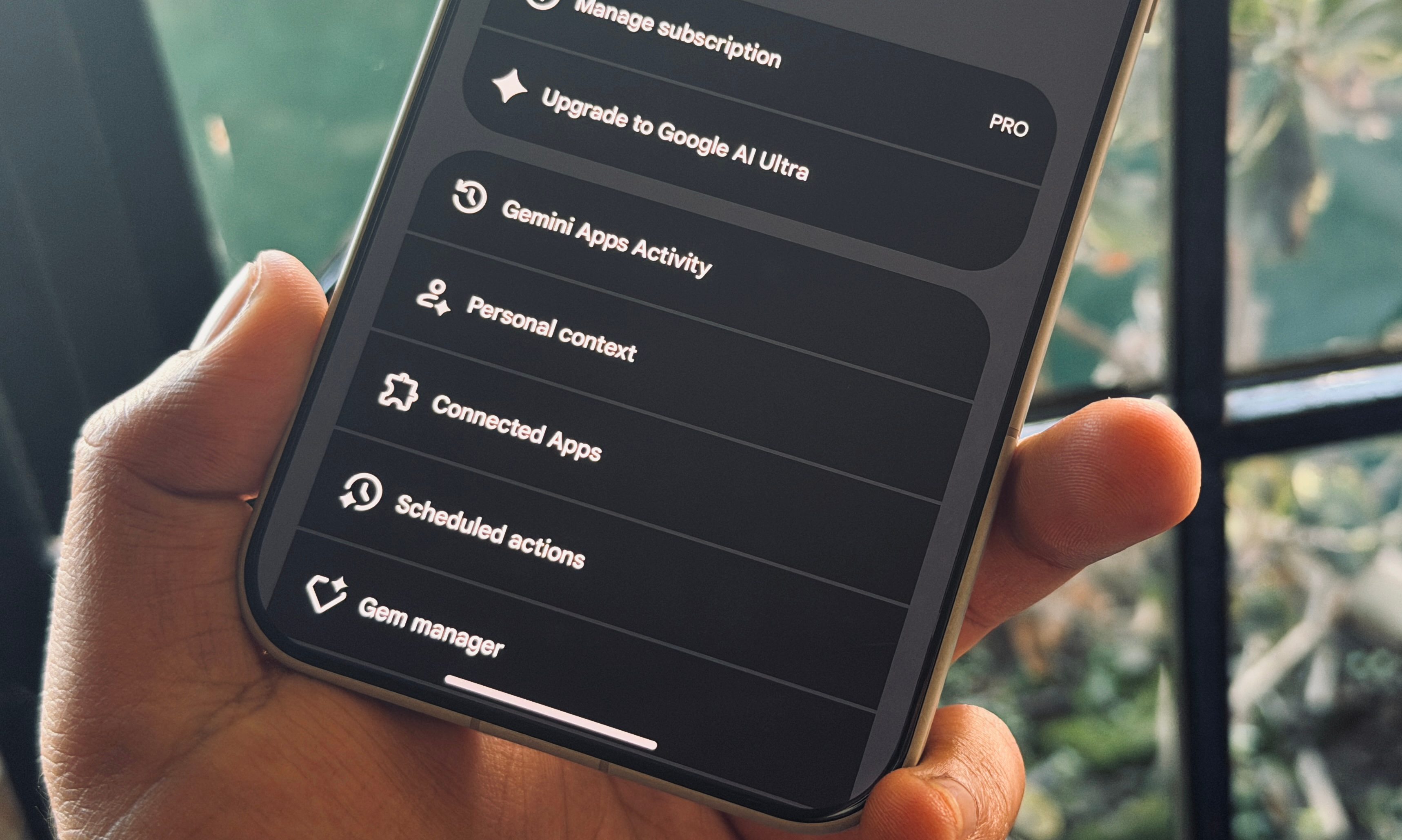
When these tools first dropped, the rules were clear: you got five prompts a day with the top-tier model and three images. But in the last few days, that safety net has vanished. If you’re on the free plan, you now have something called “Basic access.” Google isn’t promising a fixed number of prompts anymore; instead, it’s warning that your daily limit could change wildly depending on how busy its servers are.

Not just Gemini, Nano Banana also takes a hit

Recommended Videos

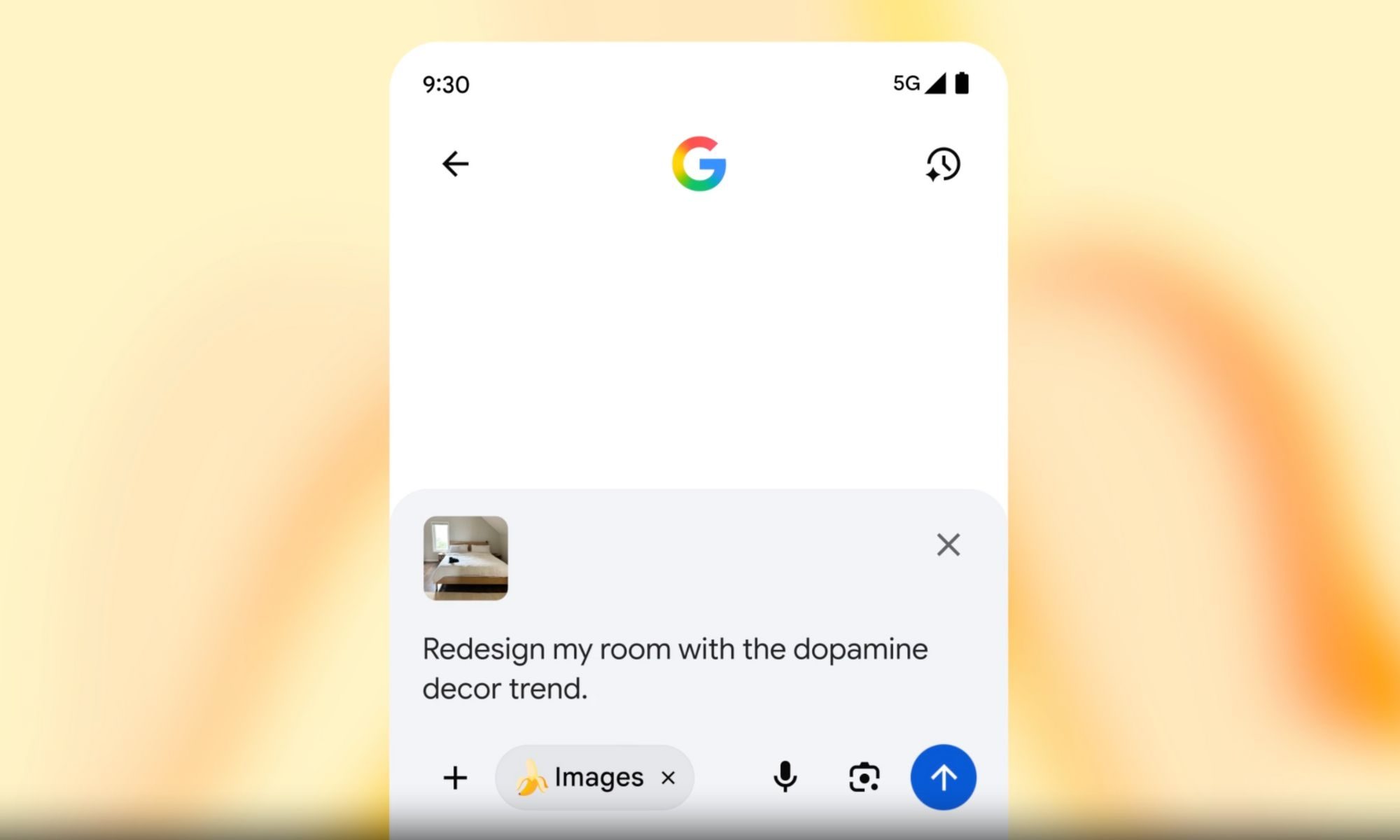
The image generator took a hit, too. You are now capped at a hard two images per day with Nano Banana Pro, and even that comes with a warning that high demand might choke off access.
To top it off, NotebookLM – which just got those cool new features to auto-generate infographics and slide decks – has hit the pause button. Those features have been temporarily pulled for free users entirely, and even paid subscribers are seeing limits. Google says it’s purely a capacity issue and it hopes to bring them back soon.

This is a classic case of supply and demand breaking the system. Everyone wants to use these powerful new AI models, but there simply aren’t enough supercomputers to run them all at once.

Google isn’t alone here. We are seeing the exact same thing happen with OpenAI, Anthropic, and Perplexity. They are all realizing that giving away their best tech for free is incredibly expensive and resource-heavy. By introducing these “fluctuating” limits, Google is giving itself wiggle room to prioritize the people who are paying the bills when traffic gets heavy.

Time to empty your pockets

If you have been relying on the free version of Gemini to get your work done, your reliable assistant just became a lot more unpredictable.
Tasks that used to be a breeze – like brainstorming a quick presentation with visuals or running a complex research query – might now hit a wall halfway through. The unpredictability is the real killer here; you can’t plan your workflow around a tool that might cut you off because too many other people are using it at the same time.

Google says it wants to bring full features back to NotebookLM and stabilize things as it builds more servers. But let’s be honest: the direction of travel is clear.

As these AI models get smarter and more popular, the “free” tier is likely going to keep shrinking. Google is gently (or not so gently) nudging power users toward its paid AI Pro or Gemini Advanced subscriptions. If you want guaranteed access to the good stuff, you’re probably going to have to start paying for it.

Moinak Pal
Moinak Pal is has been working in the technology sector covering both consumer centric tech and automotive technology for the…
HP’s new RTX 5070 laptop feels like the sweet spot between thin and bulky
The new HyperX Omen 15 combines AMD and Intel and targets portability without fully sacrificing performance.
HP HyperX OMEN 15 Gaming Laptop

Modern gaming laptops have largely drifted toward two extremes lately: massive 16-inch and 18-inch desktop replacements, or ultra-compact 14-inch machines that still feel slightly cramped for serious gaming sessions. That’s exactly why HP’s new HyperX Omen 15 feels refreshing, because it brings back the familiar 15-inch gaming laptop formula with a chassis that still feels portable without sacrificing proper gaming hardware underneath.

HP’s compact HyperX Omen 15 packs RTX 5070 graphics with AMD and Intel options

Read more
Corsair is putting Chinese RAM in mainstream market. It won’t quite end the crisis though
A cheaper DDR5 supplier could shake up the market, but it is not a magic fix
Samsung DDR4 RAM in hand

After months of painfully expensive RAM and SSD prices, the memory market may finally be showing signs of pressure from an unexpected direction: China. New reports suggest that Chinese memory manufacturers are rapidly expanding production of DRAM and NAND chips, and that major hardware brands are starting to take notice. The most notable example so far is Corsair, which has reportedly tested DDR5 memory modules using chips from Chinese DRAM giant ChangXin Memory Technologies, better known as CXMT.

This feels inevitable. Memory prices have remained frustratingly high across PCs, laptops, and storage devices for months. So when Chinese suppliers began offering RAM at nearly half the cost of some global competitors, manufacturers were always going to at least explore the option. According to market reports, some CXMT DDR5 modules are reportedly being sold near the $150 range, while equivalent products from larger global suppliers can hover between $300 and $400.

Read more
Orbot Robotics’ space robot has four arms, but its Goro physique has a purpose
This four-armed robot could make routine space-station work easier for astronauts
Robot with four arms

Helios is a new four-armed robot from Zurich-based Orbit Robotics, and at first glance, it reminded me of Goro from Mortal Kombat. But unlike the prince from Outworld, Helios is not built for combat. It is designed to help astronauts on space stations with the repetitive, time-consuming work that keeps life in space running.

Orbit Robotics says that in microgravity, legs are not much help. Instead of walking or standing, Helios needs to move through tight station interiors, hold itself steady, and handle cargo, tools, or equipment. Its four-arm design turns extra limbs into both mobility aids and working hands.

Read more