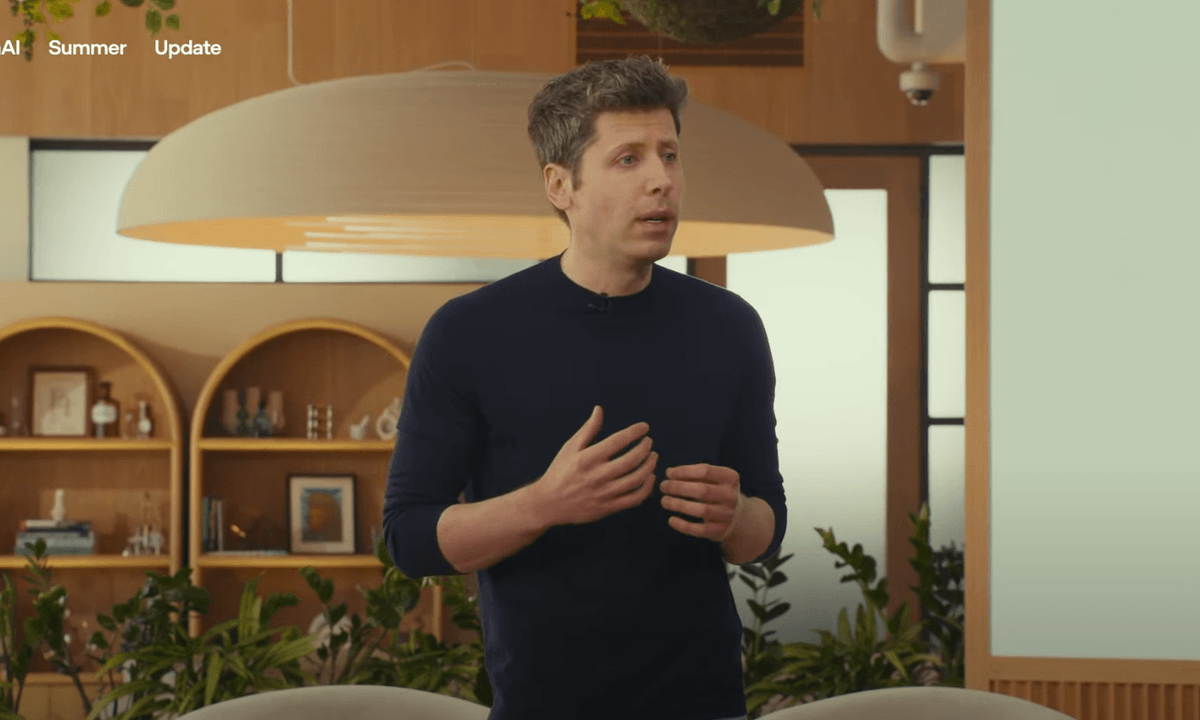
OpenAI, the makers of ChatGPT, have performed something of an about-face after fans were upset that it deleted the older models to only allow users to use the new GPT-5 model.
What happened? The launch of the new GPT model caused much excitement when a livestream was announced on August 6.
- On August 6, OpenAI’s CEO Sam Altman announced a new model to power ChatGPT – GPT-5
- The company then deleted access to older models, forcing everyone to use the latest version
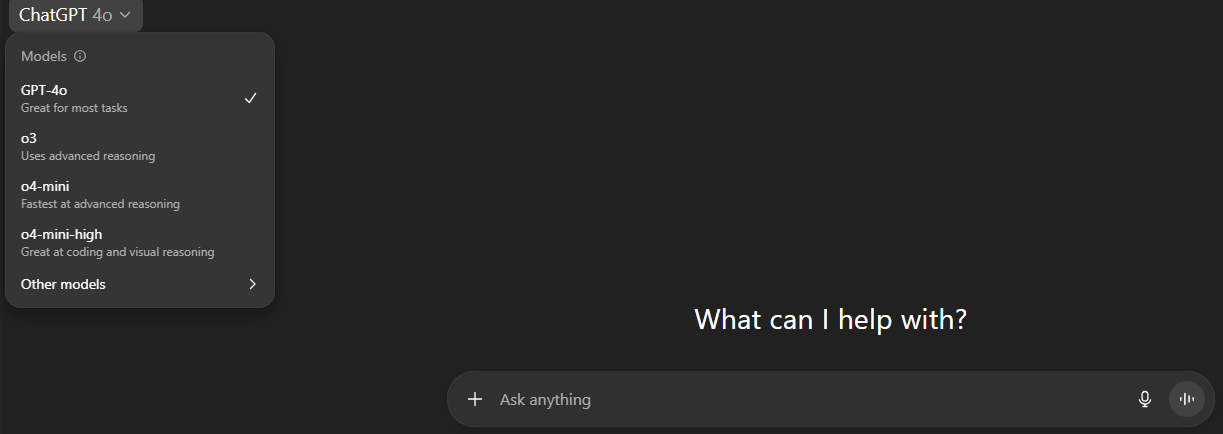
- However, OpenAI has now relented and is allowing ChatGPT Plus users (those paying $20/month) to use legacy models – although only 4o is available.
Catch me up: it’s clear that many users had built deep relationships with the ‘personality’ behind the responses to GPT-4o, and have been crafting specific prompts and inputs to get their desired outcome.
- ChatGPT had multiple models available to handle different complexities of task – models o3 and 4o could be used for things like advanced reasoning and coding
- But as GPT-5 is meant to combine all the ‘best parts’ of the older models, OpenAI deleted access to older models to simplify things and allow all users to use this latest iteration
- Users were quick to respond – Reddit filled with angry comments, and one user reportedly ‘vomited’ at hearing of the loss, as many people felt GPT-5 was too sanitized
- Altman took part in a Reddit Ask Me Anything where users expressed sadness that the new model lacked personality – one user commented GPT-5 is “wearing the skin of my dead friend”, in reference to their relationship to GPT-4o
- Altman originally said the company was thinking about bringing back access to legacy models (this option was available to a small amount of users after launch) before making it available to all
Why does this matter? OpenAI lost a number of subscribers who were upset at the changes made with GPT-5. While this number is likely to be small, and OpenAI has clearly seen an uplift in users since the launch, appeasing existing subscribers seems to be high on the agenda for the brand. Its decision to launch a Reddit AMA and make changes in direct response to the ire.
The other side
- Many people have praised GPT-5 for its enhanced ‘practical’ nature, highlighting its ability to work in parallel tasks and improved coding abilities
- However, its writing capabilities have been criticized compared to GPT-4o and GPT-5
- OpenAI intends this model to be a more wide-ranging tool, rather just a companion – Altman posted on X: “We for sure underestimated how much some of the things that people like in GPT-4o matter to them, even if GPT-5 performs better in most ways.”
- It’s designed to hallucinate on fewer occasions and be less sycophantic
- There’s a sense that it’s trying to be more professional in tone, with things like ‘safe completions’ recognizing balancing not answering dangerous requests with helping those with genuine problems
OK, what’s next? Altman and co. clearly are fluid when it comes to the changes made to the model – OpenAI is allowing 3000 thinking queries (those that require deeper reasoning and previously far more limited) to Pro users per week.
- Altman also is clearly mulling further changes – during the AMA, he asked one user if they would be happy with 4o only, or if the GPT-4.5 model was needed
- The CEO also has confirmed the platform is still a little unstable during the rollout – this has been stabilized for Plus users (spending $200/month) but not for those on lower tiers.
The rollout of GPT-5 has been far from smooth for OpenAI – there were plenty of things announced that caused our AI experts to go ‘hmmm’ – but if you are a user, keep using the different models and let us know if you’re finding much in the way of a difference.