  1. Home
  2. Computing
  3. News

Intel details Project Firefly and how it’s pushing affordable laptops to unseat the MacBook Neo

Cheap laptops are finally getting the glow-up they deserve!

Add as a preferred source on Google
Intel firefly laptop prototype
Intel

It’s no secret that the Windows budget-market segment has been stagnating for years. While premium machines kept getting thinner, lighter, and faster, the affordable segment was stuck with five to seven year old technology and minor updates. 

Intel, it seems, wants to change that. In a recent Talking Tech interview, the company detailed how Project Firefly plans to drastically overhaul the budget laptop segment by creating a whole new ecosystem of laptops. 

What exactly is Project Firefly?

At the heart of the project is Wildcat Lake, a chip Intel custom-built for everyday users. It packs two P-cores for snappy performance and four LP E-cores for longer battery life, along with a small NPU and right-sized graphics that can handle smooth video playback and light gaming at 720p. Intel also went with a single-tile design and a cheaper six-layer motherboard to keep costs in check.

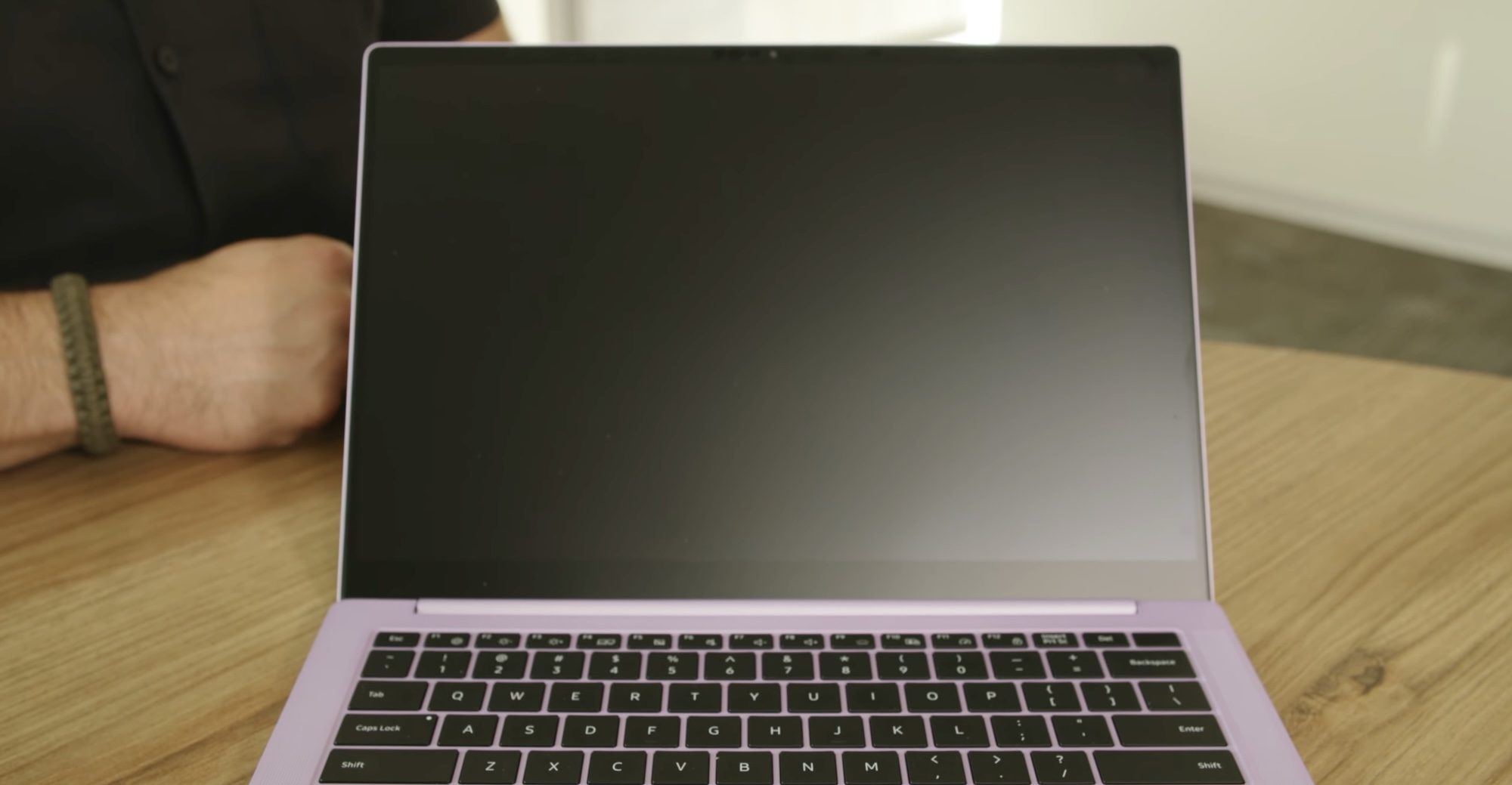
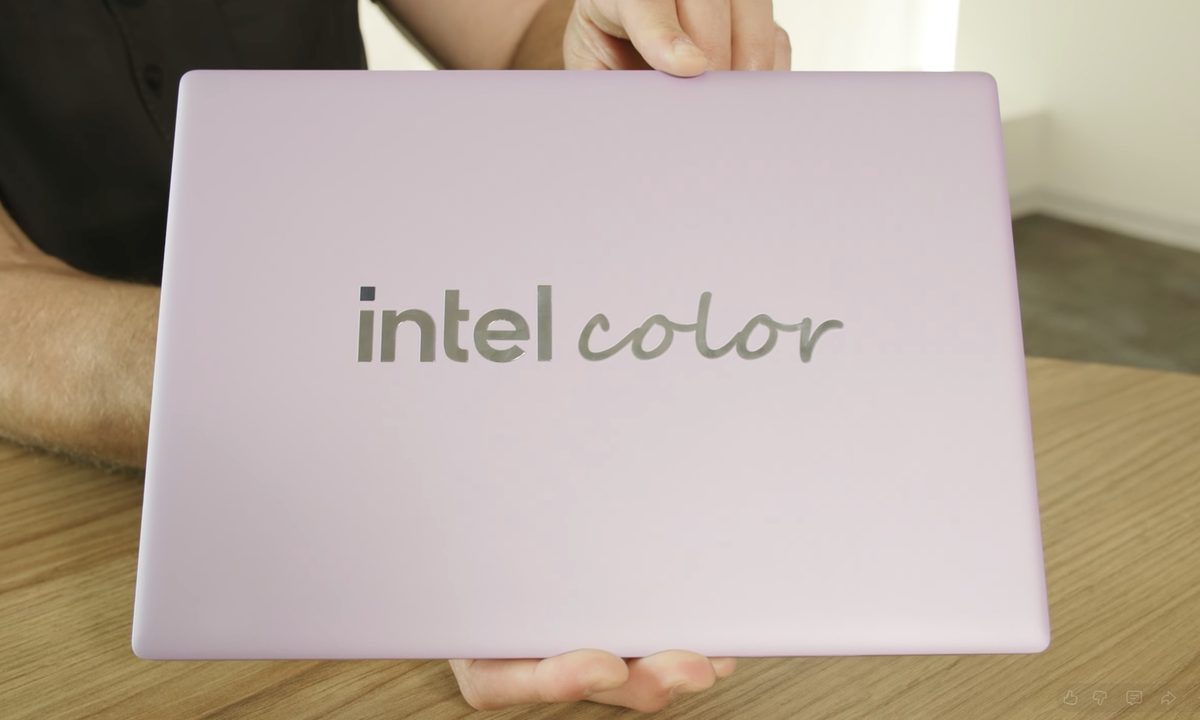
But a chip alone doesn’t make a laptop, and that’s where Firefly is different. It’s a reference design program that hands laptop makers a ready-made recipe, complete with the right chassis, screen, and form factor. The prototype Intel showed off is just 12.9mm thin, features a sturdy metal body , and comes in a lovely lavender color that the company calls its Intel color.


Instead of using the usual PC components, Intel raided the phone world, borrowing memory and audio chips from an ecosystem that’s far bigger and cheaper than the PC one. It even bundled its chip and phone memory into one neat package that laptop makers can pop straight into their designs, saving them a ton of time and effort.

Can it take on the MacBook Neo?

Intel never names Apple’s budget MacBook directly, and in the interview, the company insisted Firefly isn’t a response to any particular competitor. That said, Intel openly admitted it admires what Apple has built and wants to bring similar experiences to the broadest user base possible.

While Intel won’t say it out loud, the message is hidden in the subtext. It took the launch of MacBook Neo to wake up Windows manufacturers and push them to start taking the mainstream market more seriously, and for this reason alone, MacBook Neo has served its purpose. 

Recommended Videos

And if Firefly delivers, you won’t have to spend premium money to get a laptop that feels premium, and that’s a win for all of us.


Rachit Agarwal
Rachit is a seasoned tech journalist with over ten years of experience covering the consumer technology landscape.
Your ChatGPT bills could soon get a drastic price cut
The AI price war is here, and for once, your wallet is the winner
OpenAI logo on Microsoft surface

If you have ever winced at your monthly AI bill, here's some good news. According to a report by The Wall Street Journal, OpenAI is considering drastically lowering the prices it charges users as it fights to win customers from its rival, Anthropic.

The company is weighing significant cuts to its token pricing, the unit AI firms use to bill for their products. Interestingly, the move is in anticipation of similar cuts OpenAI expects from Anthropic. So whichever AI service you use, your bills should get smaller.

Read more
Waiting for your Framework Laptop 13 Pro? You’ll be waiting a bit longer
Good news: they found the bugs. Bad news: your laptop is late.
Framework laptop 13 pro in black

If you pre-ordered the Framework Laptop 13 Pro and were expecting it in June or July, I have some bad news. Framework has emailed customers announcing that shipments are being pushed back by about a month.

According to the email, posted by a Reddit user, the first-batch shipments are moving from late June to late July, with some units possibly slipping into early August. Framework plans to catch up to its original schedule in August, though the company admits the last August batches carry some risk of moving into early September.

Read more
If you’re using AI tools like ChatGPT to fact-check news, there’s some bad news for you
AI fact-checking your news might be the digital version of “trust me bro”
ChatGPT

As artificial intelligence becomes a go-to tool for everything from homework to workplace research, many people are also turning to chatbots like ChatGPT, Gemini, Claude, and Grok to verify whether news stories are true. But new research suggests that habit could actually make people worse at spotting misinformation over time.

A new study from the MIT Media Lab found that relying on AI to determine whether news is accurate can weaken a person's ability to independently identify fake or misleading content. Researchers compared the effect to GPS navigation systems, which make travel easier but can gradually reduce a person's natural sense of direction. In a similar way, AI tools may make fact-checking more convenient while quietly eroding critical thinking skills.

Read more