  1. Home
  2. Computing
  3. News

Intel may have been right about killing Hyper-Threading after all

Add as a preferred source on Google
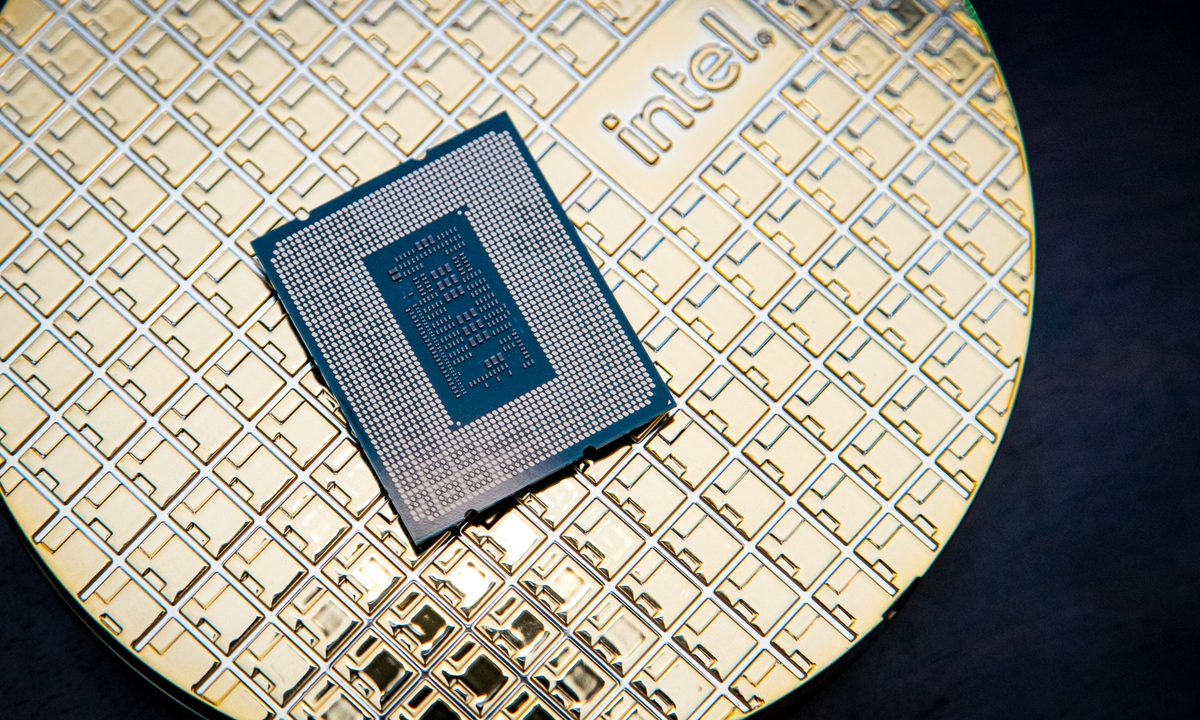
A Core i9-12900KS processor sits on its box.
Jacob Roach / Digital Trends

Intel is getting rid of one of the features that has defined most of the best processors for more than a decade — Hyper-Threading. It’s the branded name Intel uses for simultaneous multi-threading, or SMT, and the company has already confirmed it won’t use SMT on its upcoming Lunar Lake mobile CPUs. Rumor has it the company is also ditching SMT for its Arrow Lake desktop CPUs. Surprisingly, according to new leaks, killing SMT might have been the right call after all.

A handful of benchmarks have leaked for Arrow Lake CPUs. Starting off, the Core Ultra 7 265K and Core Ultra 9 285K both popped up in the Geekbench 6 database. The flagship Core Ultra 9 is a 24-core part, and it achieved a score of 21,075 in Geekbench 6’s multi-core test. That’s slightly above what you’ll see with the Ryzen 9 9950X and on-par with the Core i9-14900K, both of which come with 32 threads due to SMT.

Recommended Videos

The Core Ultra 7 265K results are much more interesting. This 20-core chip achieved a score of 19,799, outpacing the last-gen Ryzen 9 7950X and the current-gen Ryzen 9 9900X. Rounding out the stack, ECSM_Official shared results for the Core Ultra 5 245K on X (formerly Twitter), pushing ahead of the Core i5-14600K by around 10%. That’s despite the fact that it has access to far fewer threads.

As is the case with any leaked benchmarks, we’re only seeing a fraction of the full story here. We expect to see Arrow Lake CPUs in October, which Intel has confirmed will be manufactured by an external foundry — a first for its desktop CPU business. We’ll need to see how the chips stack up once they’re here officially before drawing any firm conclusions. These are likely engineering samples, which may have slightly different specs than the official releases.

Still, there are promising signs for killing SMT. The idea behind getting rid of the feature on Lunar Lake is to improve power efficiency, which is very important for a laptop in this new era of devices. Battery life isn’t a concern on desktop, but power efficiency still matters, especially as Intel continues to climb out of power-related instability issues on its 13th-gen and 14th-gen CPUs.

Jacob Roach
Former Lead Reporter, PC Hardware
Jacob Roach is the lead reporter for PC hardware at Digital Trends. In addition to covering the latest PC components, from…
If you miss the feel of paper in the digital age, this app gives your Mac’s screen a textured look
A paper-like screen overlay could make long work sessions feel less harsh.
Advertisement, Poster, Electronics

Most screen-comfort tools work by changing color temperature. Apple’s Night Shift makes the screen warmer, often giving everything an orange tint. Paperman is an interesting alternative because it adds a subtle paper-like texture over the display instead.

The app is available for Mac and Windows, and it is designed to make a screen look closer to paper, matte glass, or an e-ink display. It softens the harsh contrast and reduces the glossy look of modern screens during long reading or writing sessions.

Read more
I dug these last-hour Prime Day smart home, laptop, and accessory deals that are irresistible
Deals up to 60% off, a few hours left, and no reason to wait any longer.
Electronics, Phone, Speaker

Amazon's Prime Day 2026 sale is in its final hours, giving you your last chance to get your hands on the best smart home, security, tablet, laptop, and accessory deals. I've pulled together the picks that are still live, still deeply discounted, and still worth buying before the sale ends tonight or until the stock lasts.

Best Amazon Prime Day deals on smart home devices

Read more
Apple’s biggest MacBook Pro redesign in years may skip the chip everyone expected
The next MacBook Pro may bring OLED and touch support without M6 Pro silicon
MacBook Pro on Table

Apple is expected to launch a refreshed MacBook Pro later this year, but according to Bloomberg, it won't come equipped with a next-gen processor. Instead, Apple is going to equip the highly anticipated device with Pro and Max variants of the current-gen M5 silicon.

It was widely speculated that when the redesigned MacBook with an OLED display and touch-screen capability debuts, it will also mark the arrival of the M6 series processors. Well, it appears that Apple has changed its silicon strategy pretty significantly.

Read more