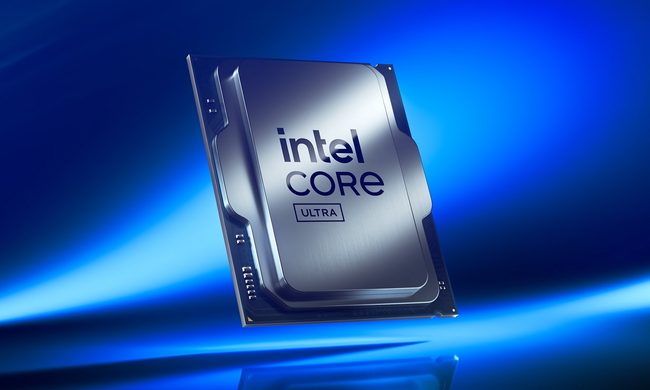
What’s happened? While Apple and Intel had cut ties a long while ago, things might look different in the near future. A fresh leak from Ming-Chi Kuo suggests that Intel may return to the Apple world. Not as the CPU designer, but as a chip foundry for Apple’s lower-end M-series silicon. This isn’t a throwback to Intel-powered MacBooks; instead, Intel would simply manufacture chips that Apple designs. In fact, if things go right, Intel could start supplying these chips by mid-2027.
- The plan involves using Intel’s 18AP process node to fabricate Apple’s entry-level M-series chips (likely for MacBook Air/base iPads).
- Apple remains in control of chip design and architecture, and only the manufacturing shifts.
- Intel is expected to deliver initial batch samples after Apple receives the 18AP design kit (expected Q1 2026), with volume shipments possibly beginning from mid-to-late 2027.
- Existing high-end Apple chips (Pro / Max / Ultra) will likely continue to be made by TSMC, meaning the shift affects only the entry-level segment.
Why this is important: This rumor could signal a significant shift in Apple’s supply chain strategy, and it affects anyone who cares about availability, pricing, and regional production. If Apple truly partners with Intel as a secondary chip manufacturer, it will become less dependent on TSMC and Taiwan. For anyone waiting on entry-level MacBook Airs or base iPads, that could mean steadier stock, fewer surprise delays, and maybe even U.S.-focused production runs that keep shelves filled more consistently.
Then there’s the whole “Made in the USA” angle. Intel builds chips on U.S. soil, and Apple tapping into that could shift everything from taxes to shipping timelines. For you, the buyer, this might translate into subtle but real changes: pricing quirks, different launch windows depending on region, and even two versions of the same MacBook (one made by TSMC, one by Intel). Long story short, by the time 2027 rolls around, checking which foundry built the chip inside your laptop might be as normal as checking storage or RAM today.
Why should I care? If you’ve been holding off on buying an entry-level MacBook or waiting for better deals, this rumor is a gentle nudge to keep watching. Two things could happen: stock stabilization or small pricing tweaks, depending on where Apple decides to produce. If you care about long-term support, regional availability, or want your Mac built in a U.S. facility, this could be the start of something new.
That being said, if you’re a developer or care about performance consistency, dual-sourced chips could matter: build-to-order variations, shipping dates, and possibly even subtle differences. Nonetheless, if you love Apple Silicon’s benefits and just want a Mac soon, there’s no need to stall. As the rumor suggests, this may only affect lower-end models, and the real changes may come only by 2027.

Okay, so what’s next? For now, it’s a waiting game. Intel’s design kit for Apple isn’t expected until early 2026, so don’t expect sudden changes in the current Mac lineup. If you’re planning to buy a Mac soon, no need to hold off, as these changes won’t land until 2027 at the earliest. But if you like the idea of a U.S.-made chip or want to see how dual sourcing affects pricing, it might be worth keeping an eye on how this story evolves over the next year.