They say everything old eventually becomes cool again. At CES, it seems laptops are the latest tech to enjoy a resurgence. Laptops never went away – far from it — but the 2-in-1 took the limelight during the last few shows. For a time, it seemed the 2-in-1 might replace the laptop entirely.
No more. This year, those versatile computers felt sidelined, if updates were announced at all. The most notable 2-in-1s were a pair of gaming PCs from Acer and Asus. In their stead there was a salvo of premium laptops from Acer, Asus, Dell, Razer, and Lenovo, plus new gaming laptops with Nvidia RTX 20-series graphics.
Thinner bezels banish tablet mode
The rise of premium laptops and the neglect of 2-in-1s are undoubtedly related, and it all comes back to the bezels. Shaving them down was the number one priority for most laptop manufacturers at CES 2019. It’s the culmination of a trend the Dell XPS 13 started several years ago.
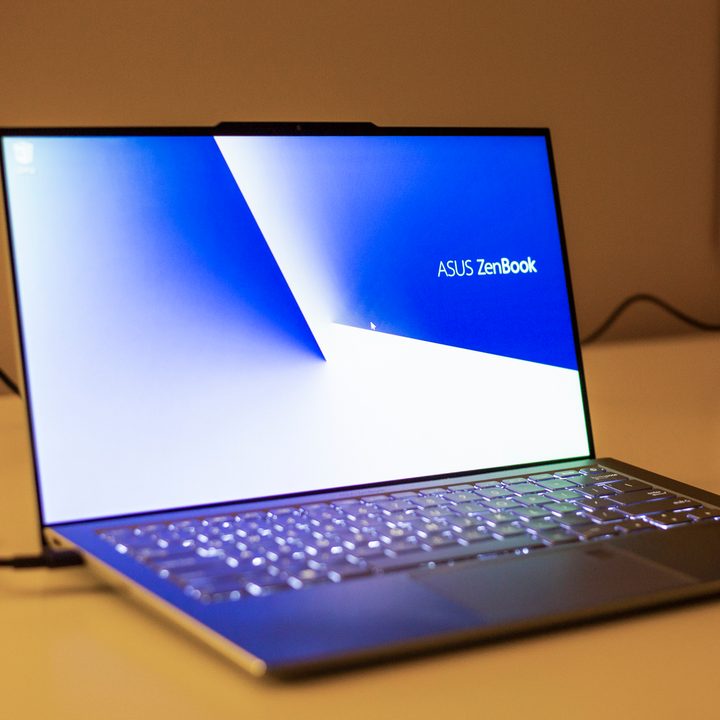
Dell set the style. Now, everyone’s falling suite. And as is so often the case, some imitators have managed to leapfrog their inspiration. Asus, Acer, and Lenovo all showed laptops with bezels thinner than the XPS 13, though Dell responded with an innovative webcam that finally kills the dreaded nose-cam.
What’s this have to do with 2-in-1 PCs? Well, bezels can be useful when handling a 10 to 13-inch slate. A PC tablet that weighs 2.5 pounds is a much different beat than an iPad that weighs less than half that, and a strong grip is important.
More CES 2019 coverage
- Everything Nvidia announced at CES, including mobile RTX, the RTX 2060, and more
- Samsung uses CES to confirm that foldable phone is coming in 2019
- Huawei MateBook 13 hands-on review: A MacBook Air for Windows fans
- Samsung’s new Notebook Odyssey packs next-gen RTX graphics in a thin frame
The engineering isn’t simple, either. Tablets can have relatively thin bezels, but it does make crafting a solid chassis more difficult because bezels usually help strengthen the frame. PC 2-in-1s up that challenge by adding the bulk of a convertible hinge and a full-sized keyboard. If it’s a challenge that can be solved, I’ve yet to see it.
In other words, laptop engineers have a choice. They can have thin bezels, or they can have 2-in-1 versatility, but they can’t have both. This year, everyone’s choosing the bezels.
But is that the whole story?
While there’s an engineering reality behind the pursuit of bezels, I wonder if that’s the whole story. The thin bezel trend didn’t occur in a vacuum. PC manufacturers would happily make 2-in-1s with fat bezels if that’s what people. Instead, CES 2019 saw a wave of premium, old-school clamshells.
Is that just the will of the people?
It’s hard to know for sure. Laptop manufacturers don’t disclose the individual sales figures for models or even, in most cases, product categories. How well has the Dell XPS 13 2-in-1 sold? What about HP’s Spectre x360? Or the Lenovo Miix? Only a few people know, and they’re not telling.
There is a feeling, though, that interest in 2-in-1 devices has reached a rough patch. Microsoft’s Surface line continues to burn bright, but it’s also sucking all the air from the room. Everyone else continues to struggle. Even when the devices are sold, like Dell’s XPS 2-in-1 line and Lenovo’s premium Yoga line, excitement is in short supply.
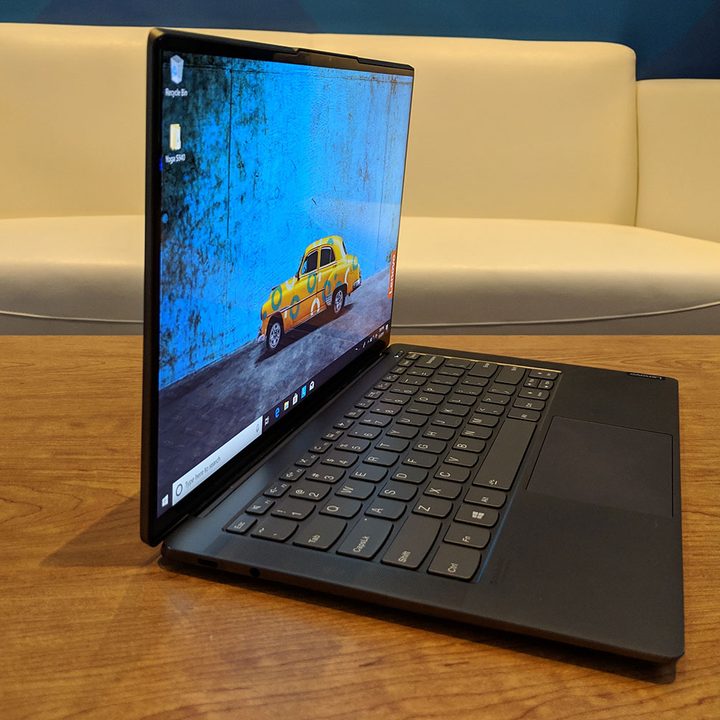
Want more evidence? Consider Lenovo’s strange decision to introduce a Yoga device that isn’t a 2-in-1. The Yoga S940, introduced at CES 2019, has the Yoga name, but it’s a traditional thin-bezel clamshell laptop. Folding it will only leave you a broken laptop, and it’s no one-off. Lenovo told us it’s imagining Yoga as a premium consumer brand that sells all types of mobile PCs.
Perhaps it’s just an ill-advised marketing move. Or it could be a sign that Lenovo thinks the 2-in-1 brand isn’t pulling its weight. In any case, it seems significant that Lenovo, among the 2-in-1’s earliest adopters and strongest proponents, has decided to muddle the brand with traditional laptops.
A bump in the road, or a sign of things to come?
Laptops won at CES 2019. 2-in-1s lost. That’s not in dispute. The question, then, is where do we go from here? Is the 2-in-1 dead? Should we bury PC tablets in a shallow grave? Should you throw your Yoga out a window?
It’d be fun to say yes, but well, no. The 2-in-1 will continue, especially as long as Microsoft continues to support the platform. It won’t go away, just as the laptop didn’t go away. But CES 2019 suggests the mix of laptop and 2-in-1 might lean far more towards the former than the later.