
  1. Home
  2. Computing
  3. News

Meta AI will assist with account issues on Instagram and Facebook. Let’s hope it works.

Meta’s AI wants to solve problems and spot scams before you even notice.

Add as a preferred source on Google
Meta AI logo and text
Meta

Meta is rolling out a pair of AI upgrades to Facebook and Instagram, and both are genuinely useful. One makes getting help faster, and the other makes the apps safer for everyone on them. If they work, they can genuinely improve the user experience for Meta apps. 

Is getting help on Facebook and Instagram finally about to get easier?

The first part of the launch is an AI support assistant that Meta is releasing globally on Facebook and Instagram for iOS and Android platforms. If you’ve ever spent minutes clicking through Help Center only to find a vague answers, or spent hours on YouTube looking for answers to your problems, you know how annoying it can be. 
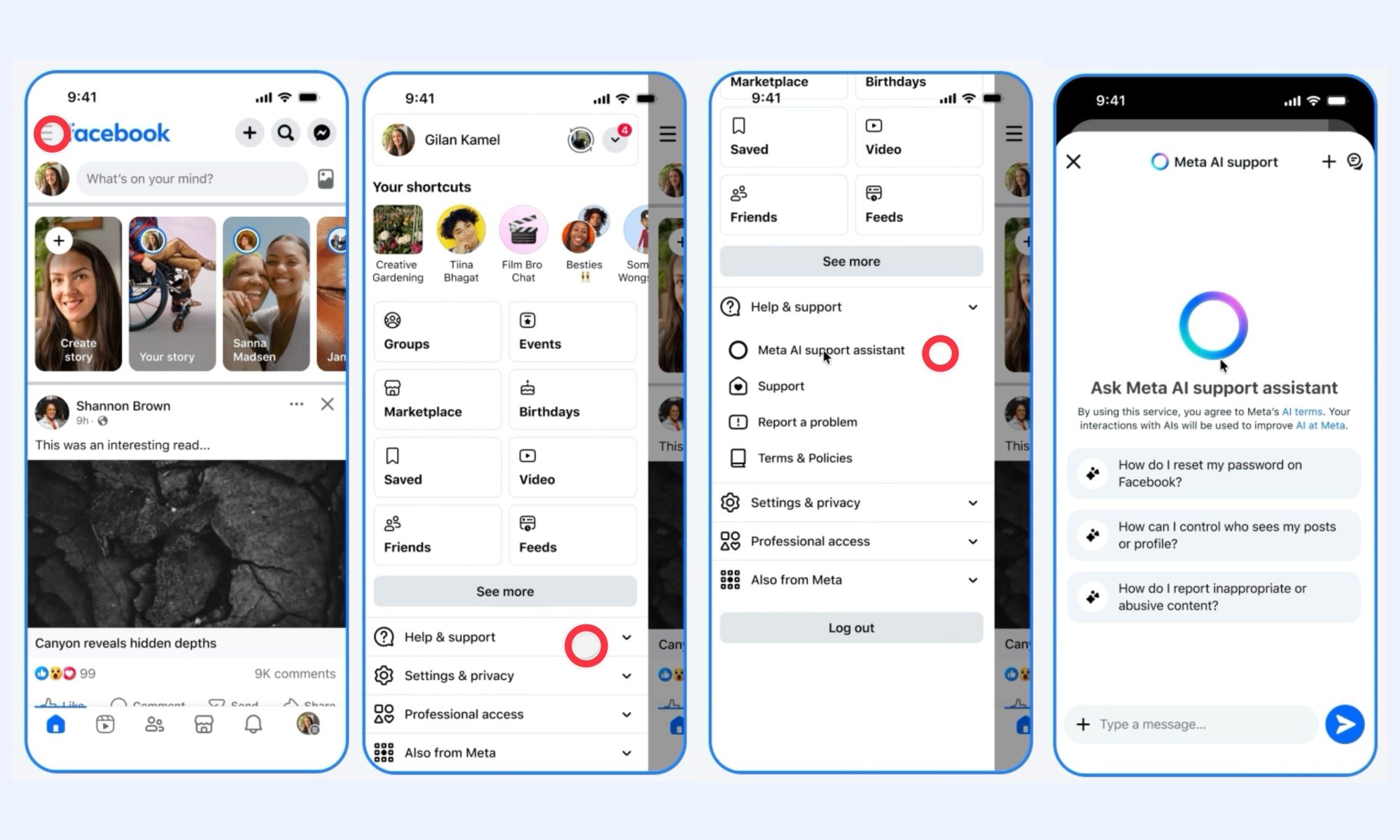
Meta’s AI assistant aims to put an end to all that searching. The assistant is built directly into both apps and can respond to your requests in under five seconds. More importantly, it doesn’t just suggest answers; it can actually take action. It can update your name, change your post visibility, configure your profile settings, and more. 
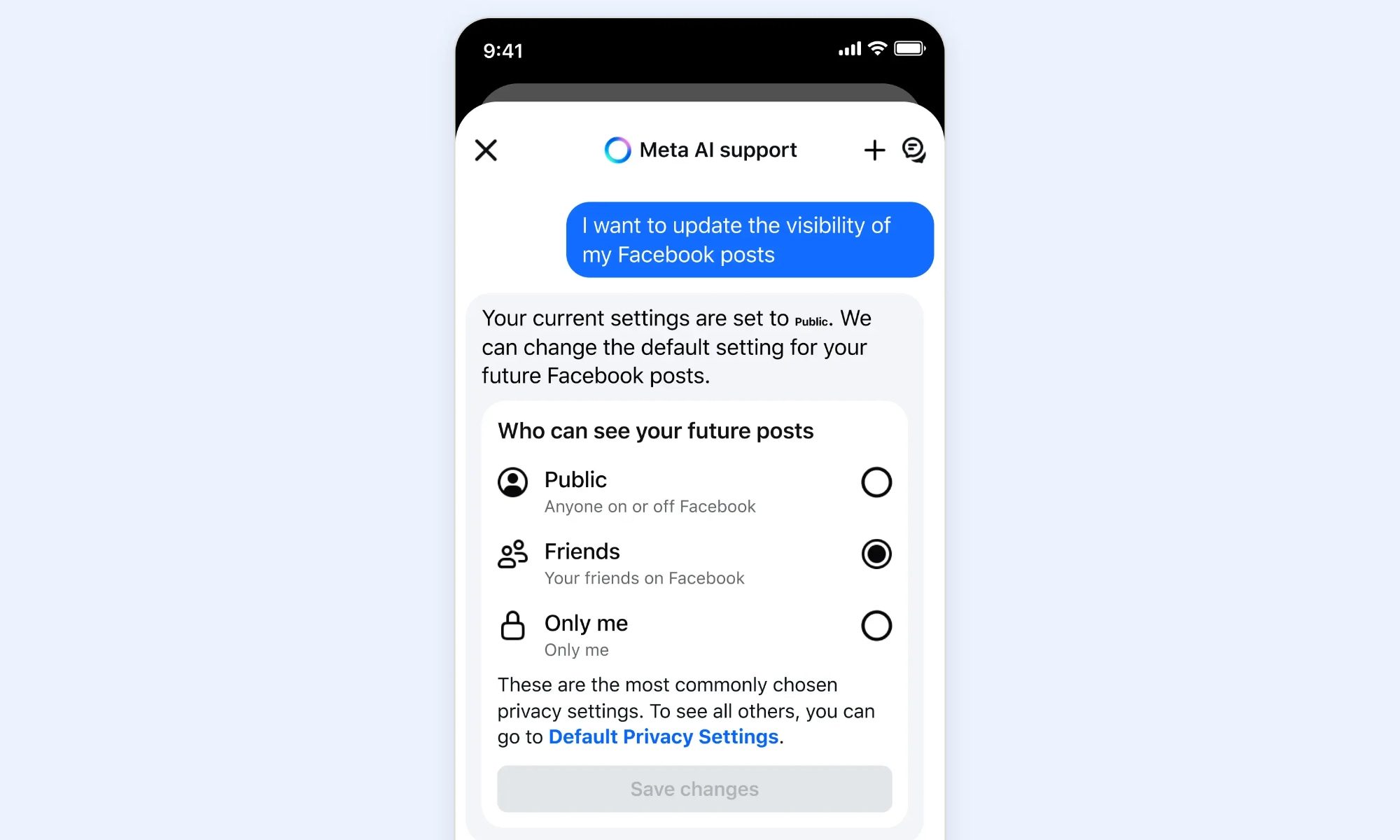
The assistant can also help people with account access issues. This feature is rolling out to select users in the US and Canada. 

What else are we getting with this AI push?

Meta is also focusing on improving its content moderation system using AI. The company has been testing more advanced AI enforcement systems, and the early results are positive.

Recommended Videos

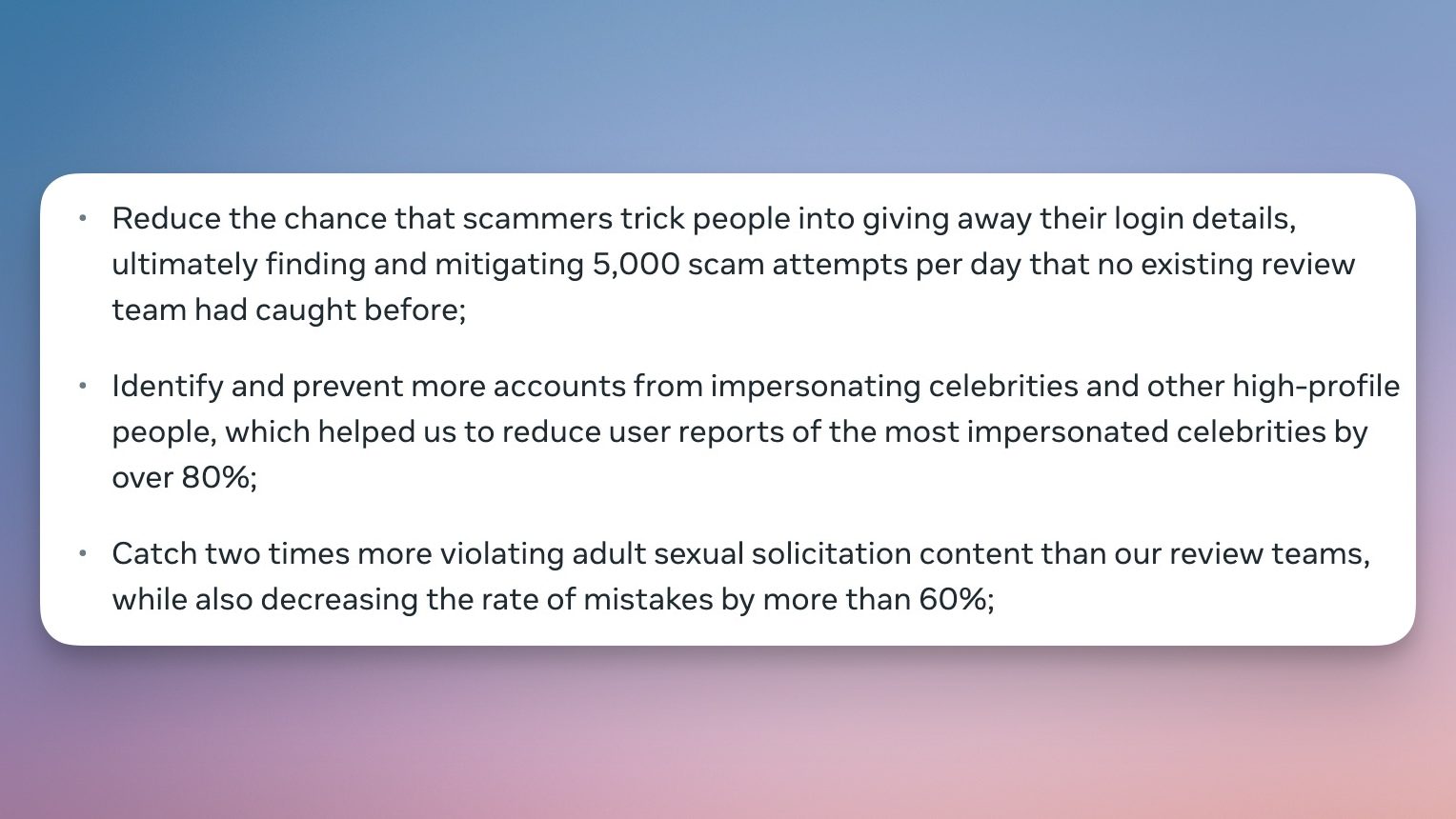
According to Meta, these systems are catching 5,000 scam attempts per day that existing review teams had missed, reducing reports of impersonated celebrities by over 80%, and identifying twice as much violating adult content while cutting enforcement mistakes by more than 60%.
The AI can also detect subtle account takeovers and fake websites impersonating legitimate brands. One test drove down views of scam ads by 7%. These systems now cover languages spoken by 98% of people online, up from around 80 languages previously.

Meta says that its human reviewers aren’t going anywhere. They’ll continue handling the most complex decisions, such as account disablement appeals and law enforcement referrals. AI will handle repetitive, high-volume tasks, freeing people to focus on complex decisions that require a human’s judgment.


Rachit Agarwal
Rachit is a seasoned tech journalist with over seven years of experience covering the consumer technology landscape.
Sony shows off AI-touched Xperia 1 VIII camera samples. It’s an epic self-own that I can’t digest
Sony built the Xperia 1 series for people who know what a histogram looks like. Xperia Intelligence appears to have been built for everyone else, and the sample images make that tension impossible to ignore.
Sony aggressive AI photography featured.

Sony has a camera legacy that most brands, regardless of whether they make cameras or smartphones, dream of. The company rewrote what full-frame sensors could do with its Alpha series. 

That particular rendering of skin tones, that restraint with saturation, the commitment to accurate white balance; the company’s color science is precisely why cinematographers, videographers, and photographers like me, in the consumer tech space, swear by its color science and camera hardware. 

Read more
Razer’s new Blade 18 gets Arrow Lake refresh and a modest $3,999.99 starting price
For $3,999.99, you get the base model with Nvidia RTX 5070 Ti. A 5090 variant is available, too.
Razer Blade 18.

Razer has officially unveiled the 2026 Blade 18 today, and at the heart of all three configurations is an Intel Arrow Lake processor. 

I’m talking about the Core Ultra 9 290HX Plus, which features 24 cores, up to 5.5GHz clock speed (with boost), 36MB cache, and an onboard NPU that delivers up to 13 TOPS of compute power. 

Read more
Windows 11 will clean up its own driver mess so you don’t have to
Say goodbye to the nightmare of hunting down broken drivers after a bad Windows update.
Surface laptop on wooden table

It seems that Microsoft is keeping up its promise of making Windows 11 better. After introducing a new low-latency mode that speeds up app launches and an update that fixes the RAM memory leak issue, the tech giant is testing a new feature that addresses one of its most prominent problems. 

The new feature is called Cloud-Initiated Driver Recovery, and it can automatically roll back a broken driver that was pushed to your PC through Windows Update. 

Read more