Out of all the things Meta has ever been accused of, thinking small hasn’t been one of them.
The company that owns the most popular social media and messaging platforms like Facebook, Instagram, Messenger, and WhatsApp, is now looking at beaming sunlight from space to the Earth’s surface for powering its AI data centers after dark (via TechCrunch).
What has Meta actually agreed to?
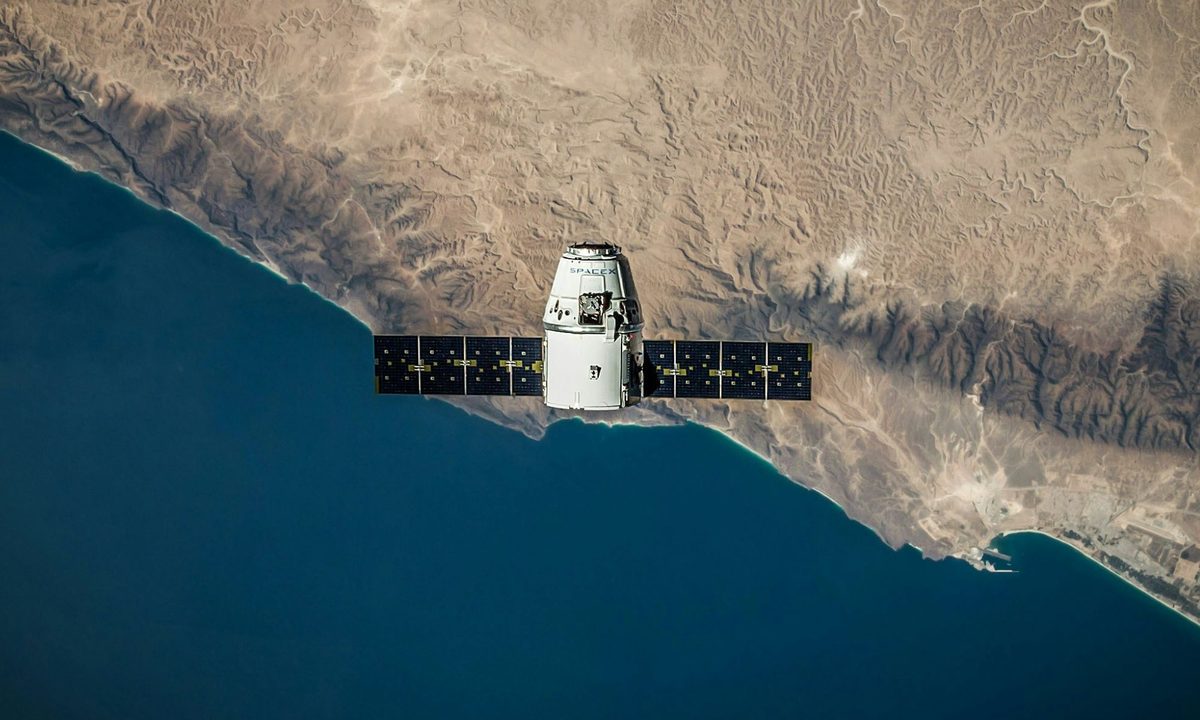
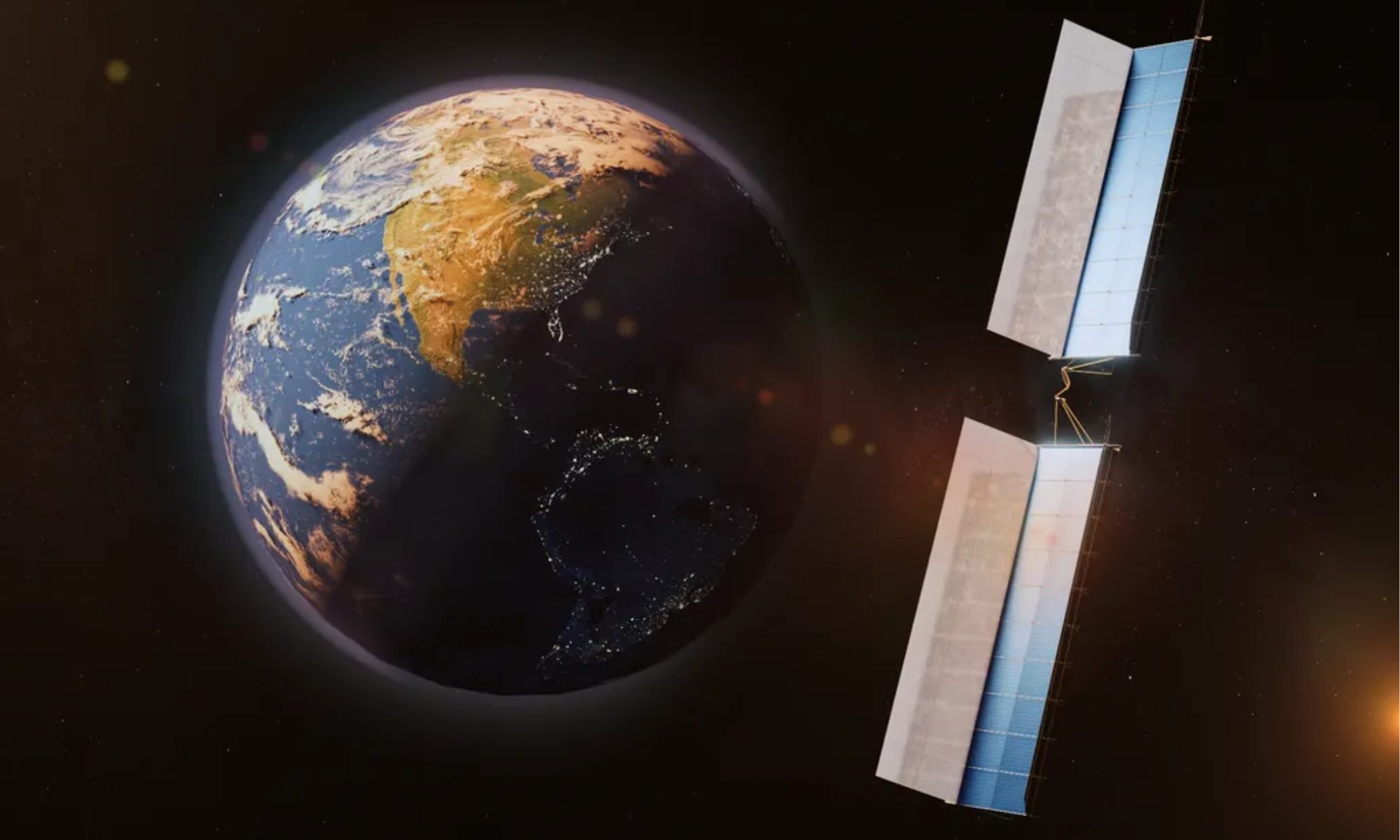
Meta has announced a capacity reservation agreement with a four-year-old Virginia-based startup called Overview Energy to receive up to one gigawatt of power generated by a fleet of geosynchronous satellites (which are roughly 22,000 miles above the surface).
The company’s satellites continuously collect sunlight in space. As part of the deal, they’ll transmit it back to the earth as low-intensity near-infrared light, which Meta’s existing solar farms (on the ground) will convert back into electricity. In other words, the company will get solar power that doesn’t stop, even when the sun goes down.
With the rise in demand for AI-based features and services for both consumers and enterprises, Meta’s data centers have consumed over 18,000 gigawatt-hours of electricity in 2024, which, just to give you some perspective, can power roughly 1.7 million American homes for 12 months.

When is Overview expecting full commercial deployment?
Given that the demand is only growing as AI workloads become even more popular, and that traditional solar panels can only produce electricity in the day, unless they’re paired with extensive (and expensive) battery storage, Meta is compelled to draw power directly from space, where solar energy is quite abundant.
Overview has already planned a low Earth orbit satellite demonstration in January 2028, with full commercial deployment (from geosynchronous orbit) expected around 2030. The company expects to put a fleet of up to 1,000 spacecraft in orbit to cover roughly one-third of the planet, potentially appealing to other energy-hungry customers.
To me, beaming solar power from space and converting it into electricity sounds exciting, and potentially, one of the most groundbreaking technological innovations that could potentially help reduce our reliance on conventional energy sources and make solar energy more accessible.
This signals how severe the AI energy crisis could get in the coming years
However, it also sounds like an alarm about where the AI energy requirement is heading (toward a potential crisis). When the world’s largest social media platform (and AI company) starts reserving its spot to receive solar energy from satellites that don’t even exist yet, it tells you how serious the race to power AI sustainably has become.
The grid, alone, will certainly not be enough, not for all the companies that we currently have that need an exceptional amount of power. It won’t be a surprise if other AI companies come running behind Overview to reserve their slots in the near future.