

Microsoft has a lot more than AI riding on Copilot+ PCs. Although AI is the current buzzword of the tech industry, Microsoft’s push into a new era of PCs has just as much to do with declining PC sales over the past several years, as well as Microsoft’s decade-long drive to get Windows on ARM working.
With so much going on, it’s left me wondering what Microsoft’s real reason and motivation behind the transition might be. Copilot+ PCs are a new category of device that, yes, come with some AI features, but I’m convinced this transition might have more to do with addressing a stagnant Windows laptop market than simply just AI.
A simple question
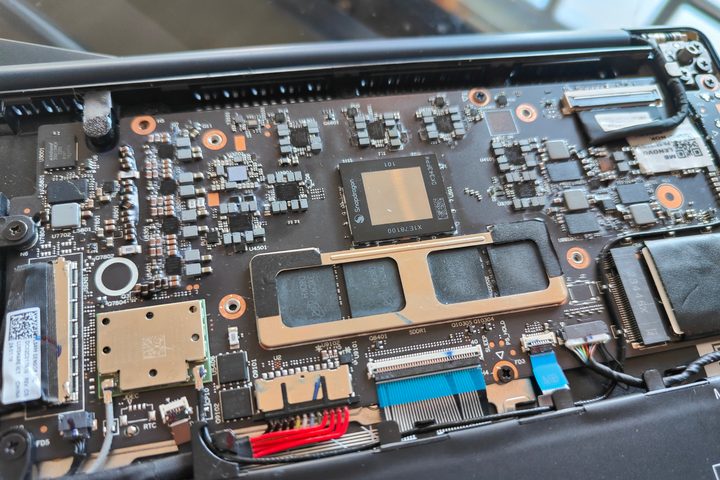
I know it sounds crazy that a tech announcement in 2024 wouldn’t be solely about AI, but ask yourself this question: Why do I need a Copilot+ PC to access Microsoft’s new AI features? If you listen to Microsoft, that comes down to the hardware requirements of a Copilot+ PC. In order to be part of the cool kid’s club, a PC needs a Neural Processing Unit (NPU) with at least 40 Tera Operations Per Second (TOPS) worth of power.
That’s a lot compared to what we have seen up to this point. Intel’s Meteor Lake NPU is only capable of around 10 TOPS, while AMD’s Ryzen 8040 chips pack about 16 TOPS. The Snapdragon X Elite provides 45 TOPS, while Intel’s upcoming Lunar Lake CPUs come with over 40 TOPS. According to Microsoft, that’s the key difference with a Copilot+ PC.
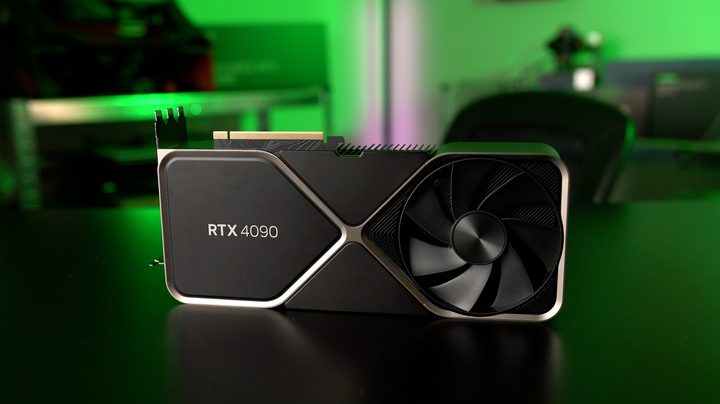
There’s just one little issue: You don’t need an NPU for AI applications. You can use your graphics card, and it’s much more powerful than an NPU. Nvidia says its current-gen graphics card offer anywhere from 200 TOPS for the cheapest option up to 1,300 TOPS at the high end, and that’s across both desktops and laptops.
I’m not astroturfing for Nvidia — it did plenty of that in the run-up to the Copilot+ reveal — but it’s a legitimate question. If you already have a PC with the AI processing power that Microsoft requires, why can’t you use them? In that context, the push into the era of AI PCs seems less about AI and more about selling new laptops.
And that seems like a key part of Microsoft’s Copilot+ strategy.
Aiming higher

PCs haven’t been selling very well. After a massive boom in 2020 and 2021 for, well, obvious reasons, the PC market has slowed down significantly in the years since. That’s not surprising, but the outlook for PC sales is still bleak. Gartner’s preliminary numbers for last year showed 241.8 million PCs shipped, which is the lowest they’ve been since 2006.
Microsoft only makes up a small fraction of the PC hardware market with its Surface devices, but more laptops shipped — particularly with Windows installed — is still a good thing for the corporation. Add on top of that stiff competition from Apple’s M-series laptops like the MacBook Air, and over a decade of trying to get ARM instructions working on Windows, and there’s a clear incentive for Copilot+ to be a success.
With Copilot+, Microsoft can align the stars. We now have the Snapdragon X Elite chip, which uses ARM instructions, to power AI applications, extend battery life, and stand up with competitive performance. And Microsoft is able to leverage the chip to push its AI agenda. It’s a perfect plan, and Microsoft will likely help sell a lot of laptops in the process. But I’m not sure it will get the larger Windows userbase on board with using AI.

There are already privacy concerns with Copilot+, and there are plenty of unanswered questions about how an AI PC will actually work in practice. By limiting Copilot+ to a small set of devices, despite the fact that other PCs with the AI hardware on tap exist, Microsoft is slowing the pace at which users can experience what AI can bring to your computer.
It doesn’t sound like this is a permanent solution. Features like Recall are in a beta stage, and Microsoft says they’ll eventually be available through a Windows Update for users with compatible hardware. There’s no timeline for that, however. If you already have a powerful GPU, or you bought one of the dozens of “AI PCs” we saw last year, you’ll have to buy a new laptop again to see what the AI era really has to offer.
Caught in limbo

Eventually, the scales between AI-compatible hardware and software will come into balance. Users will naturally upgrade to devices with NPUs, and they’ll get more powerful, and Microsoft will start rolling out its AI feature to a wider userbase. We’re stuck in limbo right now, however.
Copilot+, as it stands now in its limbo state, is about far more than AI. It’s an inflection point for ARM on Windows, and the key turning point for declining laptop sales over the past few years. Time will tell if those two points pay off, but for now, it’s clear Microsoft’s ambitions with Copilot+ are larger than a few new AI features.


