  1. Home
  2. Computing
  3. News

No mini-bar for you: Luxury hotel pays up after virus locks guests out of rooms

Add as a preferred source on Google

The targets for ransomware attacks continue to get stranger. Over the weekend it was reported that a luxury hotel in Austria paid about $1,600 in bitcoin to retrieve its systems. The attack had even compromised the hotel’s electronic key card network, locking guests out of their rooms.

The Romantik Seehotel Jaegerwirt hotel in Turracher Höhe, Austria, said it has been targeted numerous times by ransomware attacks, but is only going public with this information now as a warning to others.

Recommended Videos

In this particular attack, the culprits managed to freeze the hotel’s system for managing key cards. The incident meant once a guest had left the room, they couldn’t re-enter, and new cards couldn’t be programmed. As a result, hotel staff had to resort to a separate internal system for locking and unlocking doors. The hotel’s reservation management system and cash desk was also affected. The disruption lasted for about 24 hours.

It appears the hackers timed the attack quite well as it was the opening of skiing season, the 111 year old hotel’s busiest period. “The house was totally booked with 180 guests, we had no other choice. Neither police nor insurance help you in this case,” said Christoph Brandstaetter, managing director of the hotel, on the decision to cough up the money.

According to Brandstaetter, his hotel was attacked by more conventional ransomware last summer as well, which cost the business thousands of euros in IT costs. The most recent hack, meanwhile, forced the business to pay a Bitcoin ransom worth about $1,600.

“Every euro that is paid to blackmailers hurts us. We know that other colleagues have been attacked, who have done similarly,” said Brandstaetter.

Once paid, the hackers restored all the systems, which was good news for The Romantik Seehotel Jaegerwirt, but paying off a ransom is never a guarantee that you’ll get your systems back running. The hotel almost learned this the hard way, as the cybercriminals attempted yet another attack after the ransom was paid. That attempt was only thwarted by the installation of new hardware.

Now, to prevent a similar fate in the future, the hotel’s managers are going a little old school: “We are planning at the next room refurbishment for old-fashioned door locks with real keys. Just like 111 years ago at the time of our great-grandfathers.” In this case, it seems old technology is the best way to prevent a high-tech attack.

Jonathan Keane
Jonathan is a freelance technology journalist living in Dublin, Ireland. He's previously written for publications and sites…
ChatGPT is recommending scam websites that will steal your credit card info
The chatbot is surfacing fraudulent clones of defunct retail brands, and scammers are deliberately engineering sites to game its recommendations.
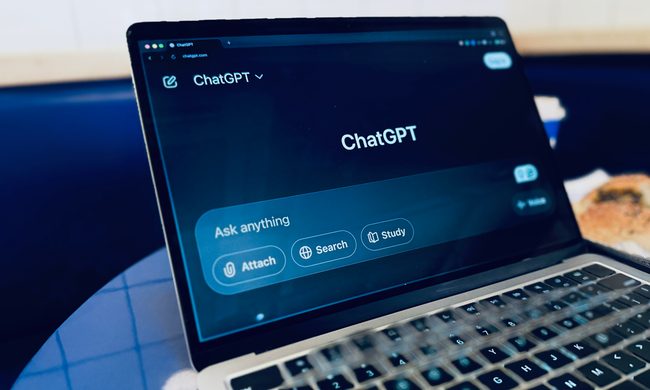
ChatGPT running on a laptop.

Scammers have found a new way to reach shoppers: getting ChatGPT to do their marketing for them. According to The Guardian, scam-checking service Ask Silver found that OpenAI's chatbot is recommending fraudulent retail websites built to harvest payment details from unsuspecting buyers. The sites mimic real storefronts and use official-looking URLs, making them difficult to spot without scrutiny.

Defunct brands are a prime target

Read more
McDonald’s new AI drive-thru has to prove it can handle hungry people
After its earlier ordering bot became a punchline, McDonald’s is testing a new system that promises fewer human handoffs.
Architecture, Building, Hotel

McDonald’s is bringing AI back to the drive-thru with a new Google-backed system called ArchIQ, also known as Archy. It’s starting in five locations under the company’s broader “> NEXT” technology push, with a franchisee claiming the system has already handled more than 1 million orders.

The bigger number is the one McDonald’s needs people to trust. About 90% of those orders reportedly needed no human intervention. That sounds promising, but this is not a clean reset. Its earlier IBM-backed AI drive-thru experiment ended after viral mistakes turned automated ordering into a public punchline.

Read more
Logitech’s Mobi Fold is a pocketable folding mouse for folks who despise trackpads
Logitech’s Mobi Fold looks like a tiny productivity taco
Logitech Mobi Fold

Laptop trackpads are fine until you get really busy. Editing a spreadsheet in an airport lounge, juggling tabs in a café, or trying to do proper work on a tiny hotel desk can make you miss the convenience of a mouse. Logitech has the answer to this with the new Mobi Fold, its first ultra-portable foldable mouse.

While a small portable mouse is something people carry, many choose to skip the added bulk, simply choosing to bite the bullet with the trackpad. But the Logitech Mobi Fold can simply fold flat, and can later be unfolded when you need to work. This makes it pretty convenient to carry. Logitech even made the mouse to automatically power on when opened and turn off when folded.

Read more