
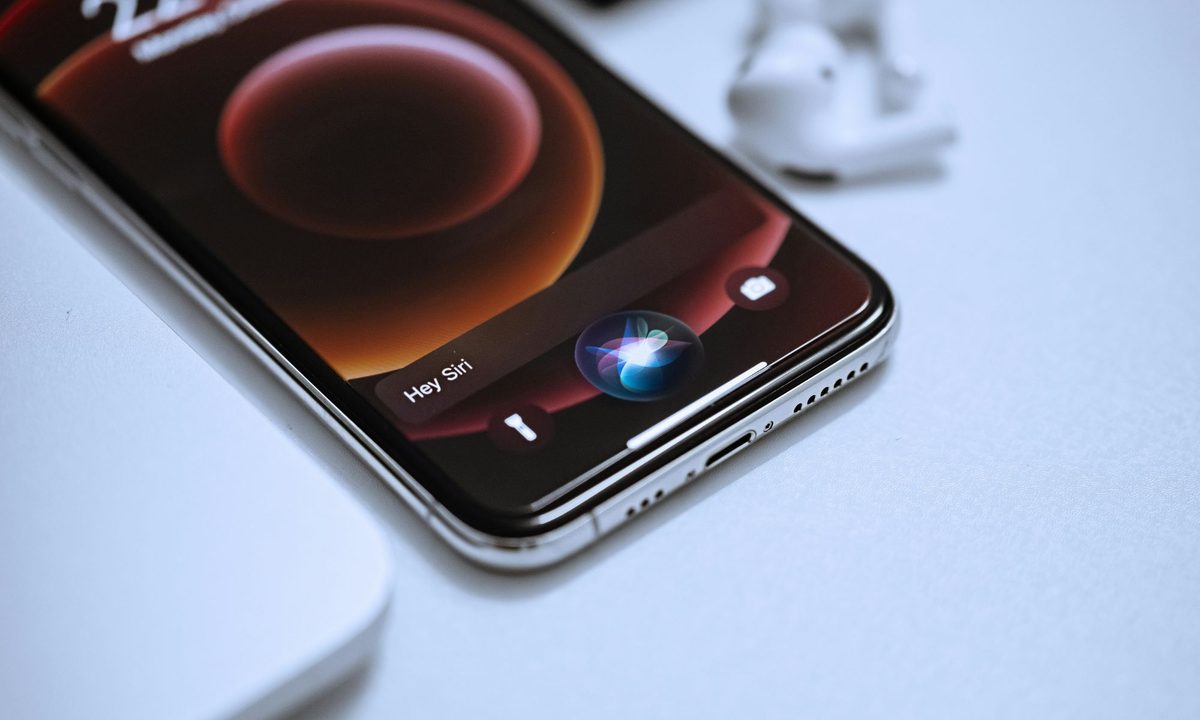
Apple is reportedly giving Siri something users have been asking for since… well, forever: the ability to handle multiple commands in one go. Yes, in iOS 27, you may finally be able to say, “Set a reminder, text my friend, and check the weather,” without Siri mentally collapsing after the first task, according to Mark Gurman of Bloomberg.
Revolutionary? Not quite. Necessary? Absolutely.
The “Wait, It Couldn’t Already Do That?” Moment
Let’s address the obvious: most modern AI assistants – and even some that weren’t particularly “smart” – have been able to handle multi-step commands for years. Meanwhile, Siri has been stuck in a loop where every request had to be broken down like you’re explaining things to a particularly polite but confused intern.
“Hey Siri, set a reminder.”
“Hey Siri, now send a message.”
“Hey Siri, actually forget it, I’ll just do it myself.”
So yes, this upgrade feels less like a breakthrough and more like Apple finally fixing a very visible limitation. But it’s also something more important: a signal that Apple is finally taking AI seriously in ways that impact daily use.
Siri’s Redemption Arc (Hopefully)
This isn’t just about stacking commands. It’s about context, flow, and – dare we say it – intelligence.
The updated Siri is expected to understand multi-step intent, which means it won’t just hear you – it might actually follow you. That’s a big leap for an assistant that has historically excelled at setting timers and not much else.
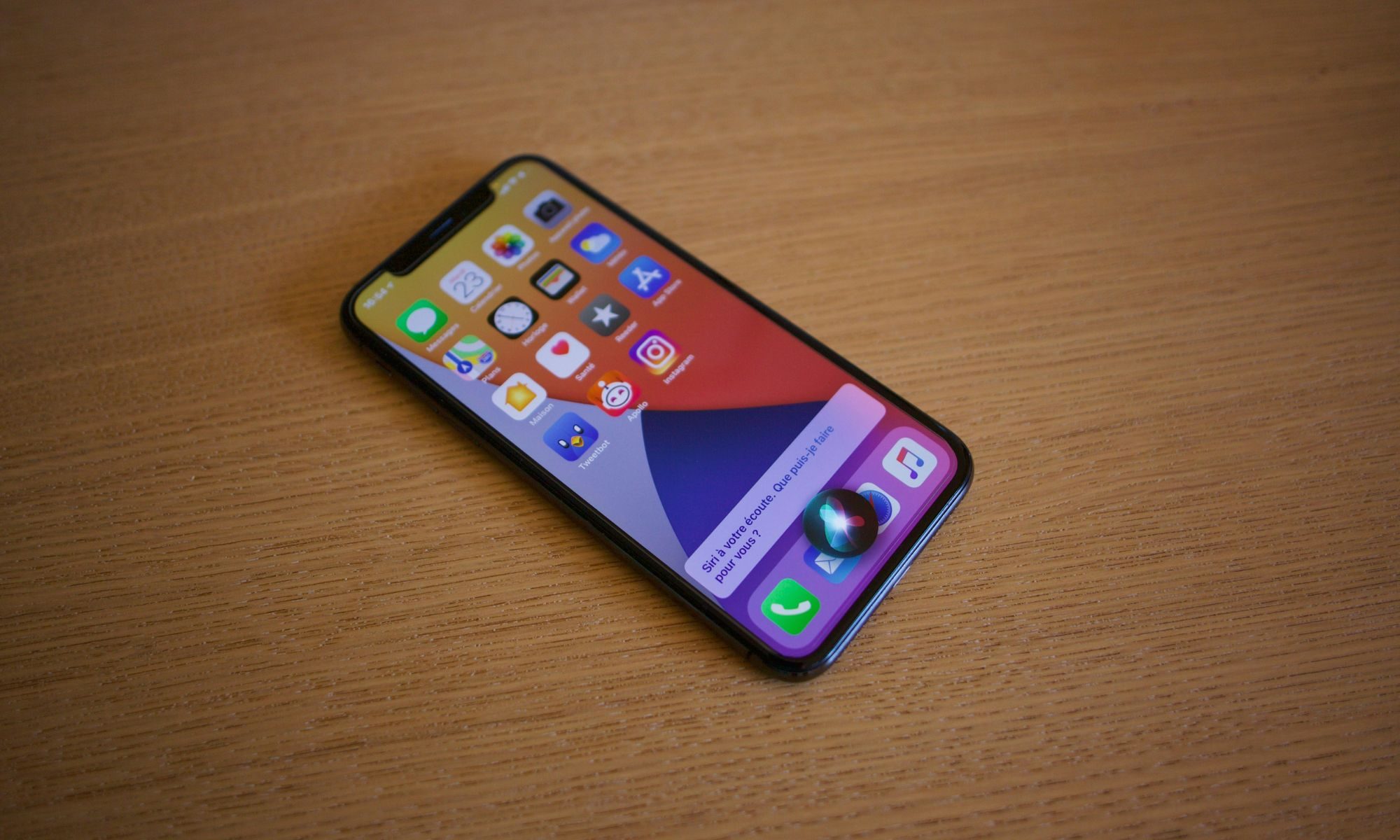
Apple is folding this into its broader “Apple Intelligence” push, which aims to turn Siri into something closer to a real digital assistant rather than a glorified voice shortcut system. The idea is simple: fewer interruptions, fewer repeated wake words, and a smoother interaction that feels less like operating a machine and more like having a conversation.
It’s a low bar. But it’s progress.
Why This Actually Matters
Here’s the thing – this isn’t about flashy AI demos or writing poetry on command. This is about friction.
Every extra step in using your phone adds up. Every repeated “Hey Siri” chips away at convenience. Over time, users just stop using it. By enabling multi-step commands, Apple is removing one of the biggest reasons people abandoned Siri in the first place: it wasn’t worth the effort.
If done right, this could turn Siri from a novelty into something genuinely useful for productivity – handling daily routines, managing tasks, even coordinating smart home actions without constant micromanagement. In short, it might finally save time instead of wasting it.
Apple’s Bigger AI Problem
But let’s not get carried away.
This upgrade also highlights a bigger issue: Apple is playing catch-up. While competitors have been racing ahead with conversational AI and agent-like capabilities, Apple is still rolling out features that feel like they should’ve existed years ago.
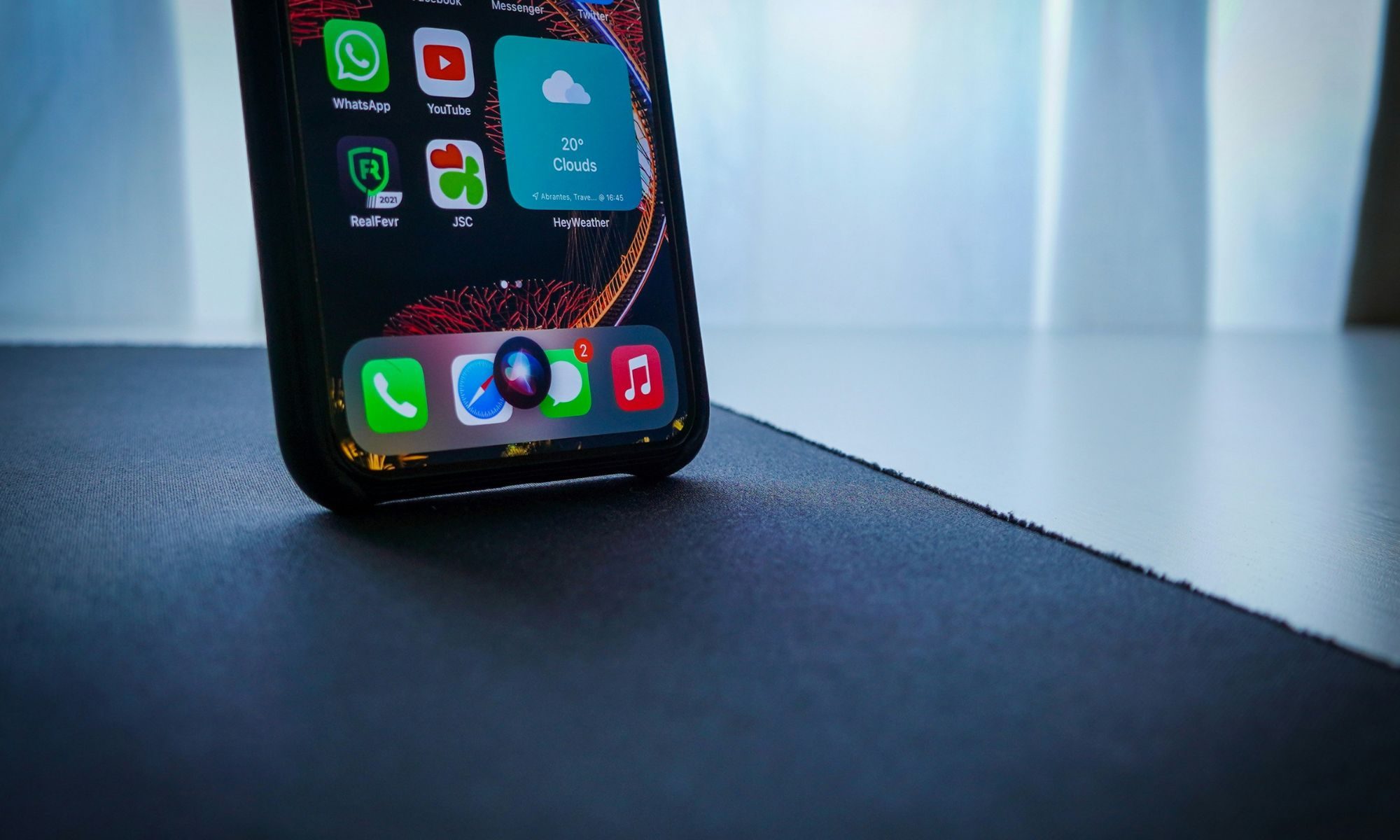
Even with improvements, Siri still needs to prove it can compete with assistants that understand nuance, context, and intent on a much deeper level. Because multitasking is great – but it’s the baseline now, not the finish line.
What Comes Next
All signs point to this arriving with iOS 27, likely debuting at WWDC 2026. And if Apple follows its usual pattern, this will be just the beginning of a broader transformation. Expect deeper app integration. Smarter automation. Maybe even a Siri that can anticipate what you want before you ask.
Or, at the very least, one that doesn’t give up halfway through a sentence. Because if Apple wants Siri to matter again, it’s not enough to make it smarter. It has to make it effortless.


