  1. Home
  2. Computing
  3. News

The RAM shortage is here to stay, but Samsung clears that SSDs will be spared for now

No, Samsung isn’t taking your SSD away (yet)

Add as a preferred source on Google
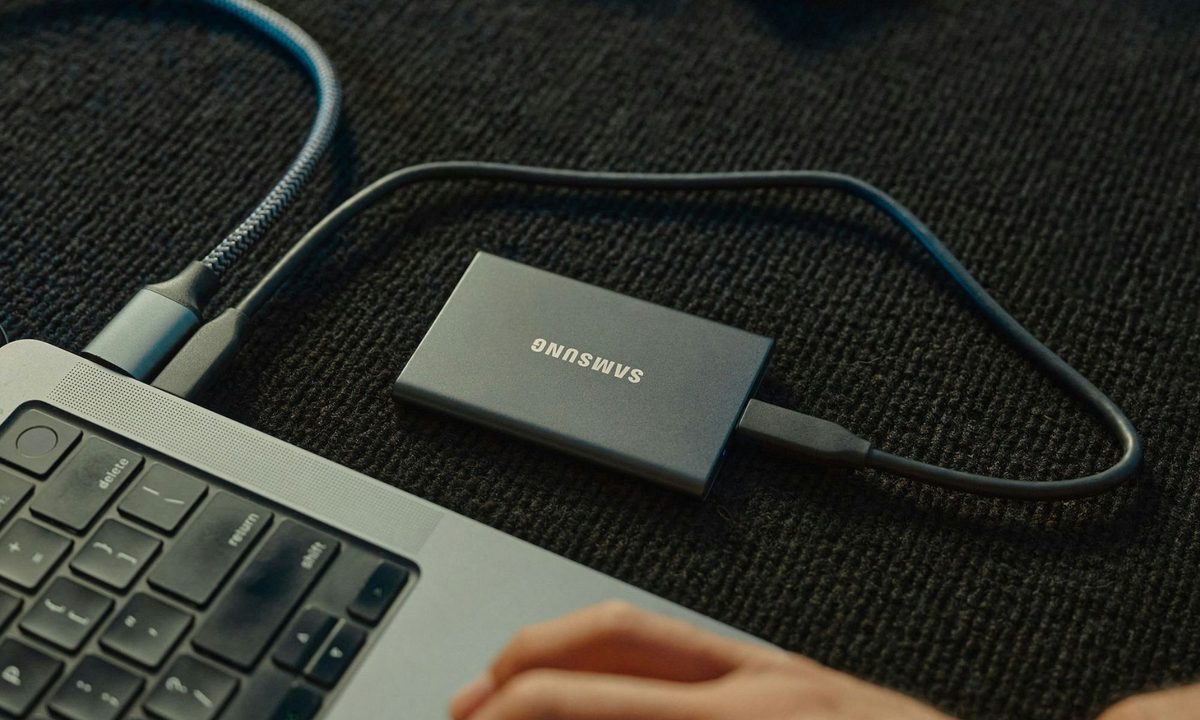
Samsung T7 Portable SSD
Samsung T7 Portable SSD Unsplash

Samsung is officially stepping in to shut down the panic. The company has firmly denied reports that it plans to kill off its consumer SATA SSD production. In a direct statement, a spokesperson made it clear: the rumors are false, and Samsung isn’t going anywhere.

The rumors didn’t come out of nowhere. The global supply chain for memory is currently under massive pressure. With AI companies and cloud giants buying up insane amounts of hardware, manufacturers are struggling to keep up. The tension hit a breaking point recently when Micron unexpectedly pulled its Crucial brand out of the consumer SSD game. That move made everyone look at Samsung – the biggest player in the yard – and wonder if they were next.

Samsung denies SSD exit, but memory shortages persist

Recommended Videos

This clarification matters because SATA SSDs are still the workhorses of the PC world. Sure, NVMe drives are faster, but SATA is what keeps older laptops, budget builds, and mass storage systems running. If Samsung had actually pulled the plug, it would have created a massive hole in the market, likely sending prices through the roof.

However, Samsung staying in the game doesn’t mean the market is safe from chaos. The “AI boom” is forcing manufacturers to prioritize high-profit, high-tech memory (like HBM) for data centers over the standard stuff regular people buy. This shift is already causing shortages in general RAM and consumer storage. PC makers are feeling the pinch, and unfortunately, those rising costs are starting to trickle down to the price tags we see at checkout.
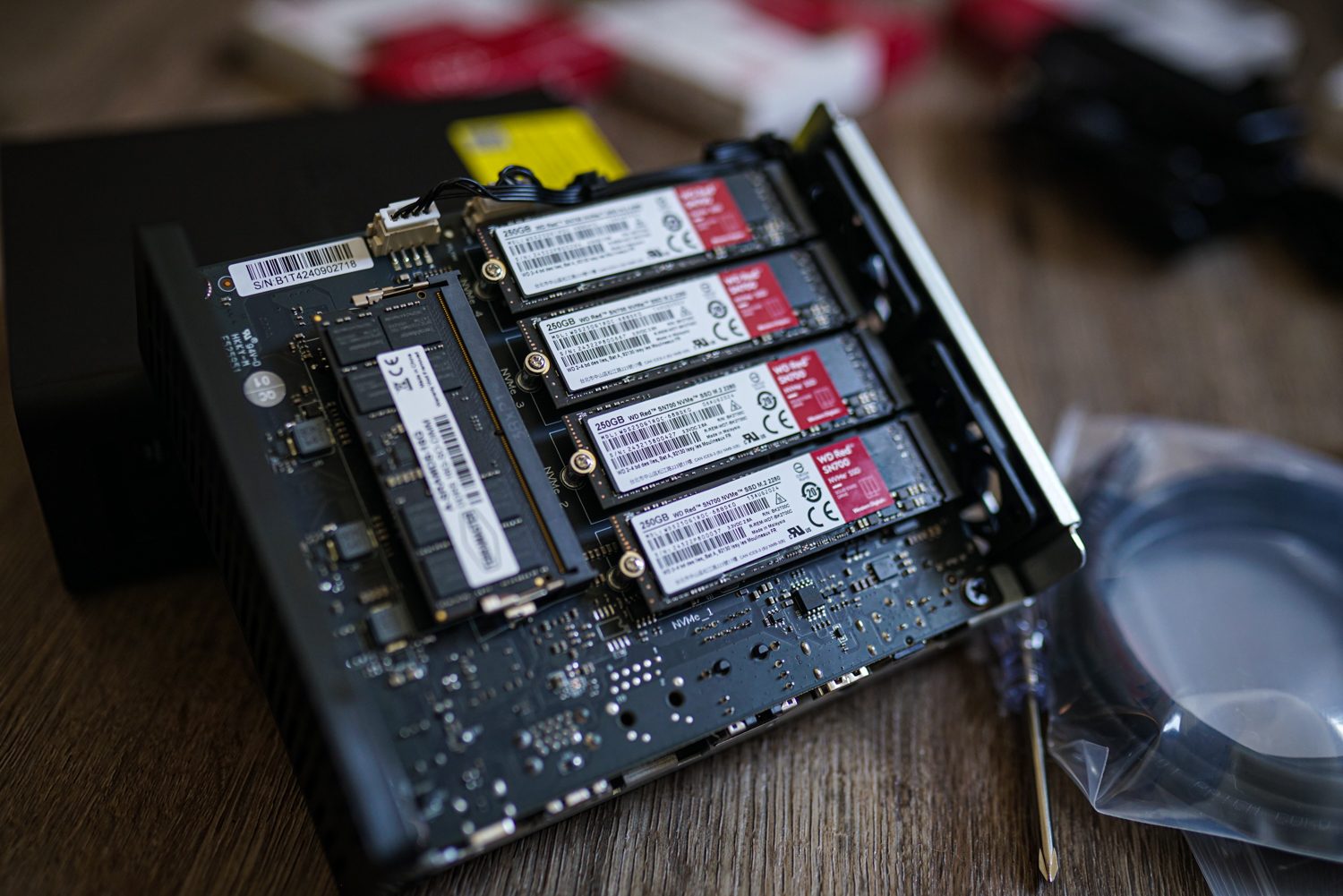
For the average buyer, the takeaway is simple: Samsung SSDs will stay on the shelves, but don’t count on the prices staying low. Even without a full exit, the limited supply and high demand from the AI sector mean SSDs could stay expensive for the near future. If you were planning to upgrade your storage or build a new rig, you might want to act sooner rather than later.

Looking forward, don’t expect a quick fix. Other major players like SK hynix have admitted that supply bottlenecks are going to take months to clear up. As long as AI continues to dominate the tech world’s wallet, the consumer storage market is going to remain a bit of a bumpy ride well into next year.


Moinak Pal
Moinak Pal is has been working in the technology sector covering both consumer centric tech and automotive technology for the…
AI is raising hell for Linux managers buried under a flood of dupe bug reports
Torvalds’ latest Linux update warns that AI-assisted reporting can create more maintenance work when contributors skip verification
Computer Hardware, Electronics, Hardware

AI may be finding Linux bugs faster than humans can sort them.

In the Linux 7.1-rc4 update, Linus Torvalds said the kernel’s security list has been swamped by AI-assisted bug reports, many of them duplicates from people using similar tools and finding the same issues. The release itself looks routine, with drivers making up about half the patch and GPU fixes leading the way.

Read more
Spooked by the MacBook Neo, Asus shows off affordable Intel Wildcat Lake laptops
Its new Wildcat Lake laptops bring faster screen specs to Apple’s affordable fight
Computer, Electronics, Laptop

Asus isn’t waiting for Apple’s lower-cost laptop story to settle. Its new Intel Wildcat Lake Vivobook 14SE and 16SE have launched in China, giving Windows laptop makers an early chance to crowd Apple on price and visible hardware.

The sharper threat is the Vivobook 16SE, which starts at CNY 4,599, about $675, with a higher-end display model at CNY 4,999, around $734. That pricier version adds a 16-inch 2560 x 1600 screen with a 144Hz refresh rate, variable refresh rate support, and a 400-nit brightness rating.

Read more
Intel reveals Project Firefly to make cheap Wildcat Lake laptops that rival MacBook Neo
Project Firefly standardizes Wildcat Lake laptop designs so PC makers can chase Apple with lower prices and cleaner hardware
Crowd, Person, Audience

Intel is trying to make budget Windows laptops look a lot less bargain-bin.

Project Firefly, launched in China alongside Intel’s Wildcat Lake laptop chips, gives PC makers a common hardware playbook for thinner, cleaner, lower-cost systems that can take a more direct swing at MacBook Neo. The promise is simple, fewer compromises where budget laptops usually show them most.

Read more