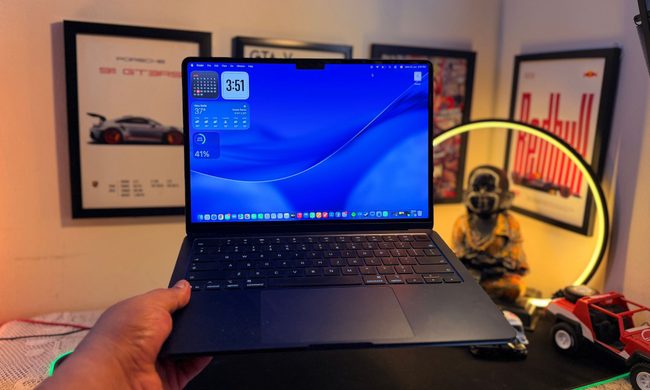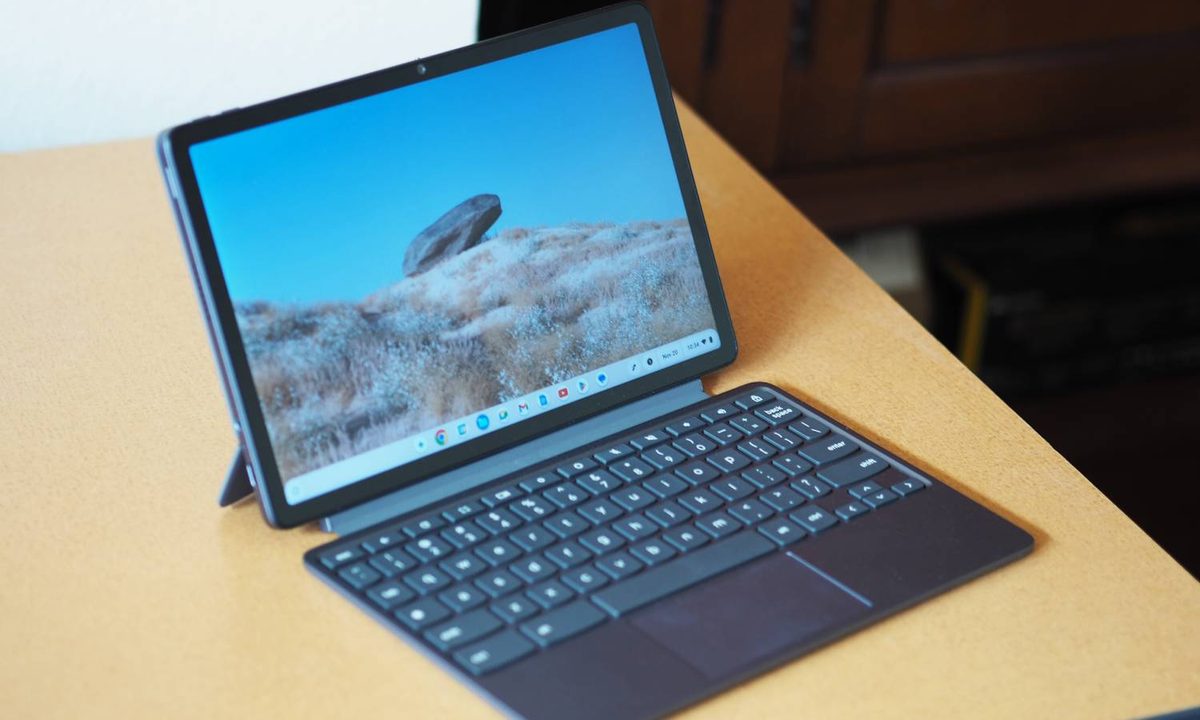
It looks like we finally have a name for Google’s massive desktop project. After years of rumors and hints, a new job listing has basically spilled the beans: Aluminium OS is coming.
This is the long-awaited platform that is supposed to merge the best parts of Android and ChromeOS into one AI-powered system. Thanks to some eagle-eyed spotting by Android Authority and this new job post, we now know that it’s planning to debut this on PCs starting in 2026.
Google has been teasing this for a while. Back in mid-2024, it said ChromeOS would start using more Android tech under the hood. A year later, it confirmed it was building a “ChromeOS experience on top of Android.” Now, “Aluminium” seems to be the real deal.
Google’s next OS is Android-based, AI-driven for PCs
So, the leak came from a LinkedIn job post where Google was looking for a Senior Product Manager. The listing explicitly mentioned working on a “new Aluminium, Android-based operating system” with Artificial Intelligence at the very center.
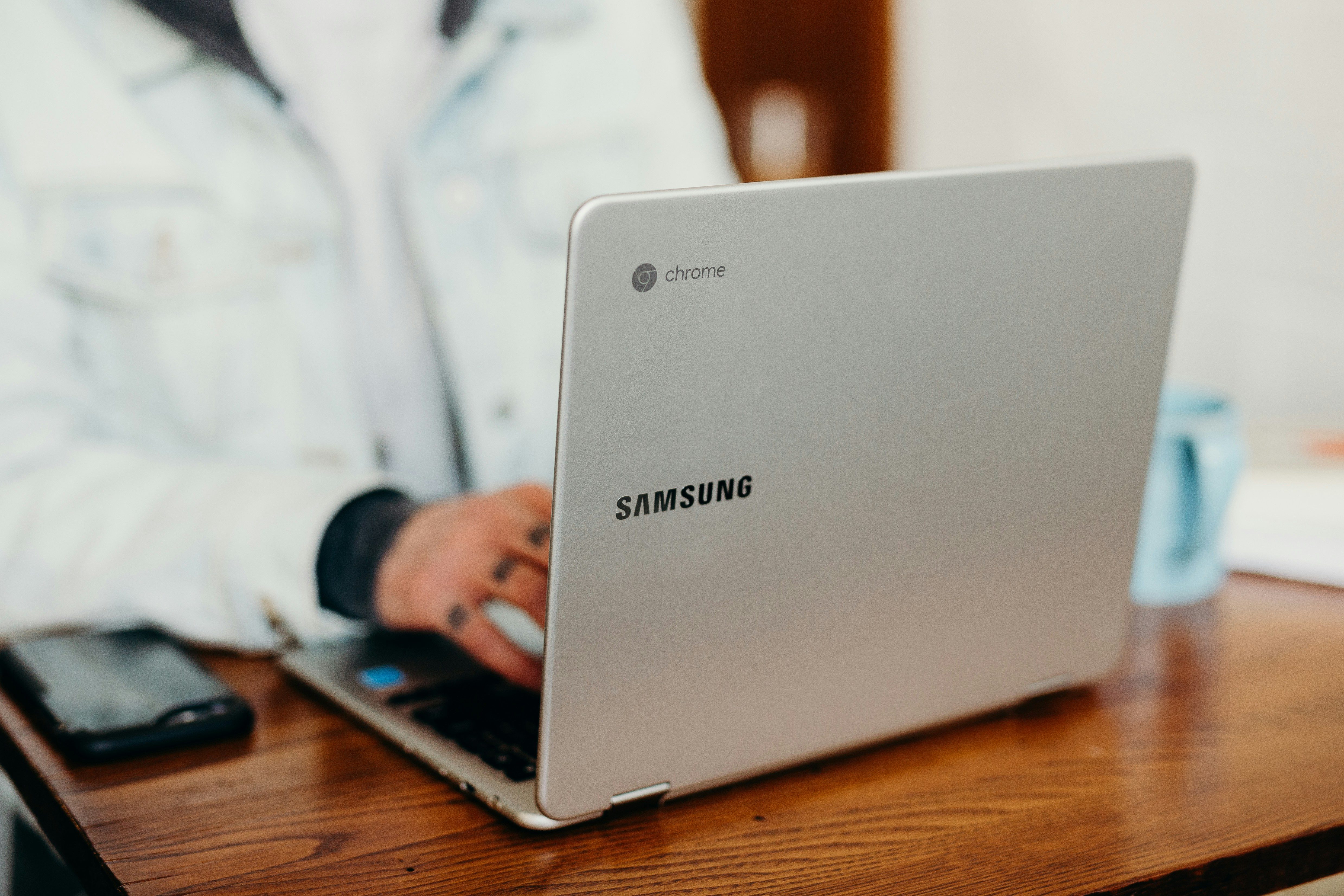
This isn’t just a software update; it’s a whole new strategy. The listing talks about “Aluminium” devices coming in different tiers – from “Entry” all the way up to “Premium” and “Mass Premium.” We’re talking laptops, tablets, detachables, and even streaming boxes.
Crucially, the job description admits something Google has been cagey about: a long-term plan where ChromeOS and Aluminium OS will live side-by-side for a bit, but eventually, they will diverge (or merge completely). It suggests it’s slowly moving the whole ecosystem onto this AI-first, Android foundation.
Interestingly, engineers are already using terms like “non-Aluminium ChromeOS” and “Android Desktop” in bug reports, hinting that even if the underlying code changes, it might still keep using the familiar “ChromeOS” brand name for a while to avoid confusing everyone.

What the Aluminium OS shift means for ChromeOS users and the road ahead
If you use a Chromebook for work or school, this is the biggest shake-up in over a decade.
Moving to an Android-first OS could be amazing – it could finally fix those weird app compatibility issues and bring way deeper AI features to your laptop. But it also raises some big questions: Will it be stable? Will schools be able to manage these new devices as easily as the old ones?
Google has already confirmed that Android PCs are landing in 2026, and Aluminium OS is clearly the brain behind them. The next step will be it explaining exactly how this transition is going to work so we don’t wake up one day with a laptop that works totally differently. Until then, Aluminium is the most ambitious thing it’s done for the desktop in years.