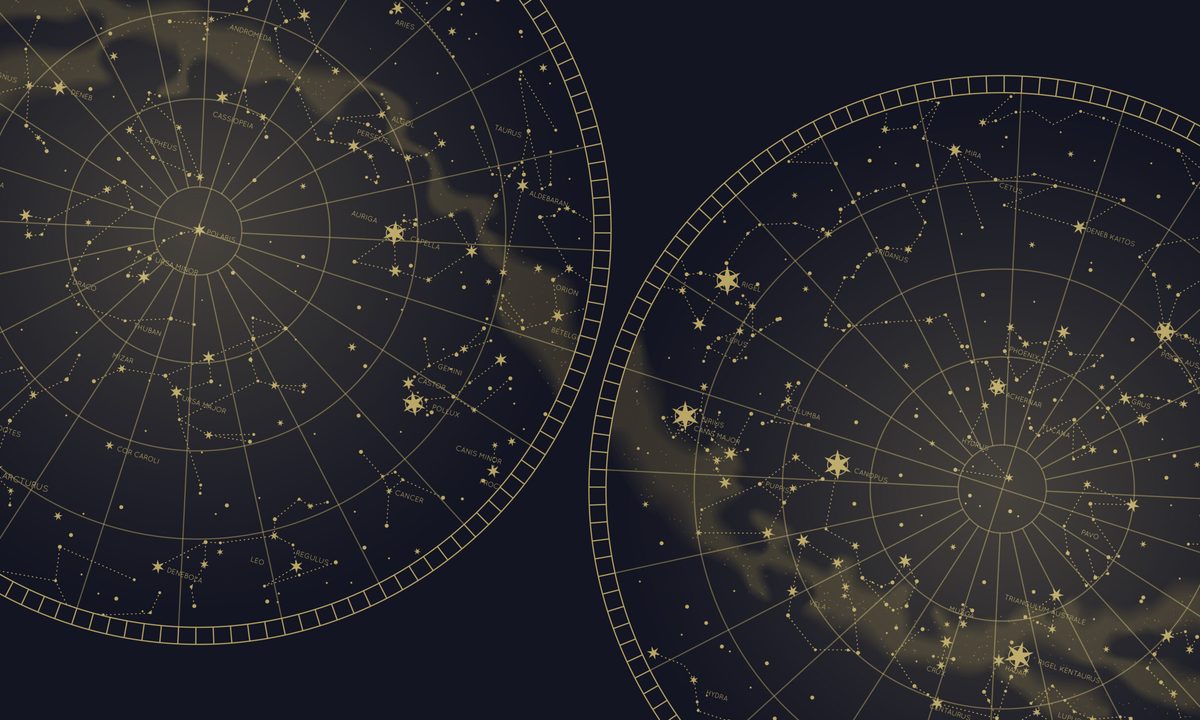
Rather than seeing astrology as some mystical prediction tool, some modern users and app developers frame its symbolism as a prompt for self-reflection. Recognizing this shift, apps such as Hint.app combine artificial intelligence (AI) technology with traditional astrological systems in an effort to connect symbolic interpretation with psychology-inspired reflection. In this model, astrology functions less as a predictive system and more as a framework some users use to think about emotional patterns.
Identifying Emotional Patterns Through Ancient Symbolism
According to the company, the Hint App positions itself at the intersection of ancient symbolic systems and modern technology, incorporating AI-generated interpretations alongside astronomical data sourced from agencies such as NASA. The platform says the goal is not to suggest predictive qualities of astrology, but to create personalized prompts and symbolic narratives that encourage reflection.
Astrology apps more broadly have increasingly adopted AI-driven features in recent years, generating automated readings or interpretations based on birth data and planetary positions. Supporters argue that these tools can function similarly to journaling prompts or reflective exercises.
“Hint App emerged from the growing gap between rational self-optimization culture and unmet emotional needs,” a representative stated. “As therapy language became mainstream and burnout increased, users sought tools that helped them interpret emotional thinking… Hint was built as a reflective alternative.”
Overcoming the Challenge of Skepticism
By associating itself with astrology and other symbolic systems, platforms like Hint inevitably face skepticism from critics who question astrology’s scientific validity. In response, the company says it attempts to frame astrology less as fortune-telling and more as a storytelling framework for emotional awareness.
“Hint App does not position itself as predictive or mystical,” the representative continued. “It functions as a reflective mirror, emphasizing emotional literacy, timing awareness, and relational insight.”
Growing a Community Based in Emotional Insight
The company reports that the app has grown to more than 1.2 million users worldwide and has accumulated thousands of reviews on consumer platforms such as Trustpilot, where it currently averages over four stars. The platform says it has also generated over one million personalized sketches and readings for users.
“The platform has served over 1.2 million users globally,” the representative concluded, “with a strong focus on astrology, palmistry, relationship symbolism, and reflective tools designed for emotional clarity rather than prediction.”
The Value of Symbolism in Today’s Landscape
The rise of astrology apps coincides with broader growth in digital wellness tools, including meditation, journaling, and mental-health tracking platforms. While astrology itself lacks scientific backing, some users treat these symbolic systems similarly to reflective exercises that prompt personal insight or emotional processing.
In that sense, AI-powered astrology apps are part of a wider trend in which technology is used to generate personalized prompts or interpretations that users can incorporate into self-reflection practices.
Plans for the Future of Hint App
Moving forward, Hint App aims to expand the platform’s personalization features and add educational content related to psychology and symbolic interpretation. The goal, according to Hint, is to position the app alongside other self-reflection tools such as journaling or meditation apps, rather than as a predictive astrology service.