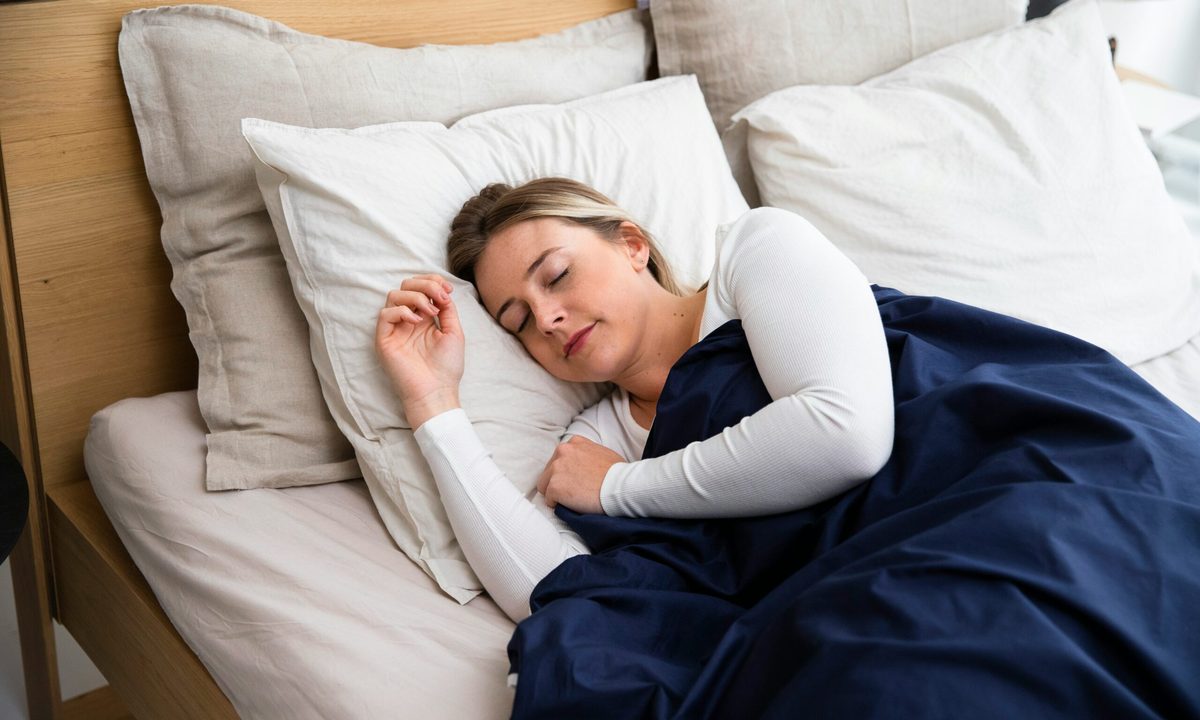
There’s nothing like waking up tired and instantly blaming the nearest inanimate object: the mattress. But sleep tech hasn’t stood still. It’s been creeping into the bedroom in small ways, changing how mattresses cool, support, and react to you.
Brands like Novilla are responsible for that progress, building mattresses with the same tech-first approach people now expect in everything from their phones to their workout gear. The focus is on materials that respond to heat, movement, and pressure instead of ignoring them. The mattress has finally caught up to the way real people sleep, and if brands don’t adapt, they’ll be left behind.
When temperature decides everything
Heat can be a bigger villain than any comic book classic. Because it’s actually real. Your body cools as you fall asleep, but your mattress doesn’t always play nice. If it traps warmth, you’re waking up sweaty and probably questioning your entire setup at 3 a.m.
Brands started tweaking how foam behaves. Higher gel concentrations, open-cell builds, and cooling layers now move warmth away from the body instead of letting it collect in one miserable hot spot. These changes may help stop the ‘wake up boiling’ problem that ruins half the night for some people.
Even the cover matters. Some fabrics pull air through the top layer so the surface doesn’t cling. Others move moisture faster, so the bed doesn’t feel humid. Everyone hopes for the same result: staying asleep.
Support that doesn’t fight your body
Many people only go mattress shipping because their back finally mutinies. Too firm, and pressure piles up in the shoulders and hips. Too soft, and the spine falls out of alignment. Modern designs try to hit the middle ground with layered foams and zones that hold curves instead of flattening them.
Novilla’s Bliss mattress takes that idea seriously, using ACA-recognized spinal support to keep alignment more neutral. When the body isn’t fighting the surface all night, muscles may relax instead of working overtime. That small change can make mornings less of a battle.
The science behind comfort
According to the National Library of Medicine, “It is estimated that up to 80% of people will experience low back pain at some point during their lifetimes.” Now, brands like Novilla are utilizing ergonomic sleep surfaces with proper pressure distribution technology to help ease the pain.
Foam isn’t just foam anymore. It reacts to weight, movement, and heat in ways that make the bed feel more responsive. Memory foams soften as they warm, so manufacturers tweak density to avoid that “stuck” feeling or the too-firm resistance that makes you toss around more than you sleep.
Hybrids add springs to create lift while foam handles contour. When that balance works, movement feels easier, and the bed supports without feeling rigid. The quieter your body is at night, the more your brain can actually rest.
Sustainability matters more than ever
People aren’t buying mattresses blindly anymore. They read labels. They research. They ask why a foam is used and what’s actually inside the cover. Certifications like CertiPUR-US, OEKO-TEX, and ISPA help shoppers figure out whether materials meet safety and environmental standards without turning bedtime into chemistry class.
Novilla pays attention to those details when choosing foams with lower emissions and covers that stay breathable without heavy chemical finishes. It lines up with how many younger shoppers already make decisions. Comfort is mandatory, but so is making sure the product fits the values they bring into their home.
Where mattress tech goes next
The goal in mattress engineering has never changed: stop making people fight their bed. Cooling layers may keep improving, pressure relief will get more refined, and sustainability standards will continue rising because shoppers demand it. When those pieces land together, sleep finally feels less like a gamble and more like something you can count on.