1. Home
  2. Emerging Tech
  3. Legacy Archives

Apple Places Patents for Eco-Friendly Energy Management

Add as a preferred source on Google
apple-patent1
Image used with permission by copyright holder

Apple is truly tantalizing the press this month with mysterious press conference, tablet speculation and partnership news. Here’s another patent hinting at Apple’s future plans: It looks like Apple has applied for two patents that would give people a way to lower their electricity bills by optimizing and tracking how power is supplied to various household and mobile electronics.

According to CNET, the patents were filed in May of last year and were thoroughly explained by Patently Apple last week Thursday. The two patents are both devices to help control and manage the energy-output of a home. One pending patent application called “Intelligent Power Monitoring” says its system allows users to reduce home energy use by giving them tools to “better control” how they’re powered. The second patent application, similarly titled as an “Intelligent Power-enabled Communications Port,” is a system that analyzes and directs the required amount of power to different electronics in an “efficient manner.”

Recommended Videos

We think it’s safe to assume the company is forming an entrance—one patent at a time—into the home automation and energy tracking markets. The tech industry has been trying to infuse more insight into the consumer market about how to use energy efficiently for the past year and it may be Apple’s grand influence to truly make a statement. After all, Apple is a preferred company by Greenpeace.

Dena Cassella
Former Digital Trends Contributor
Haole built. O'ahu grown
The FBI secretly built an entire fake town just to practice cyberattacks
Hidden inside a warehouse in Alabama, the Kinetic Cyber Range recreates real-world digital attacks from start to finish.
FBI Kinetic Cyber Range Featured

While Hollywood has fake cities for filming movies, the FBI apparently has one for getting hacked. The agency has pulled back the curtain on its Kinetic Cyber Range, a 22,000-square-foot replica small town hidden inside its Huntsville, Alabama campus. But instead of training officers for shootouts or hostage rescues, the facility is designed to simulate realistic cyberattacks on homes, businesses, and critical infrastructure so investigators can practice responding to them in a controlled environment.

The FBI built an entire town just to simulate cybercrime

Read more
Brazil’s secret World Cup weapon taught the team when to ignore it
The data said he wasn't running enough. The footage said he was always in the “perfect tactical position.”
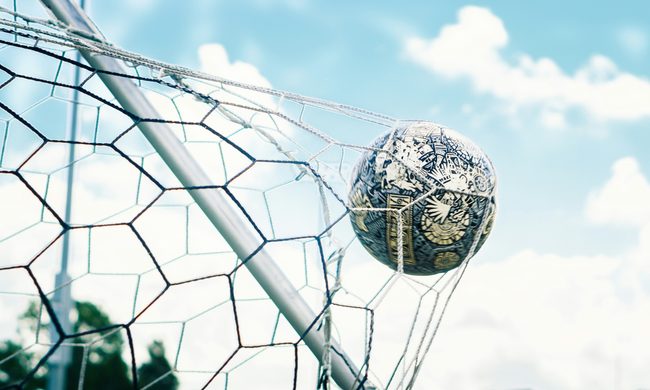
Soccer ball in net

Brazil has more World Cup titles than anyone, five of them to be precise, but after going through five straight tournaments without adding to that count, the team is leaning hard on data this time. 

Every player wears a sensor-packed "smart vest" tracking field position (via GPS), heart rate, and a stat called "player load," the same kind of numbers that your Whoop band or Apple Watch brags about, but tuned specifically for the sport.

Read more
New OLED breakthrough could make the next see-through screen actually worth using
The electrode fix that could finally make see-through screens worth looking at.
Computer Hardware, Electronics, Hardware

Every transparent OLED demo I’ve seen so far looks amazing for about ten seconds, right before I notice how dim or smudgy it actually looks. A big part of the problem is the role that electrodes play in the design. 

A transparent display requires a see-through electrode that sits on top of incredibly delicate organic light-emitting layers. However, most of the usual options either conduct electricity poorly or risk damaging those layers during manufacturing. 

Read more