  1. Home
  2. Emerging Tech
  3. News

Digital Trends may earn a commission when you buy through links on our site. Why trust us?

Meta’s next smart glasses sound like a treat for humans stuck with prescription lenses

Codenamed Scriber and Blazer and already through FCC filings, Meta's prescription-focused AI glasses are shaping up to be the company's most inclusive wearable launch yet.

Add as a preferred source on Google
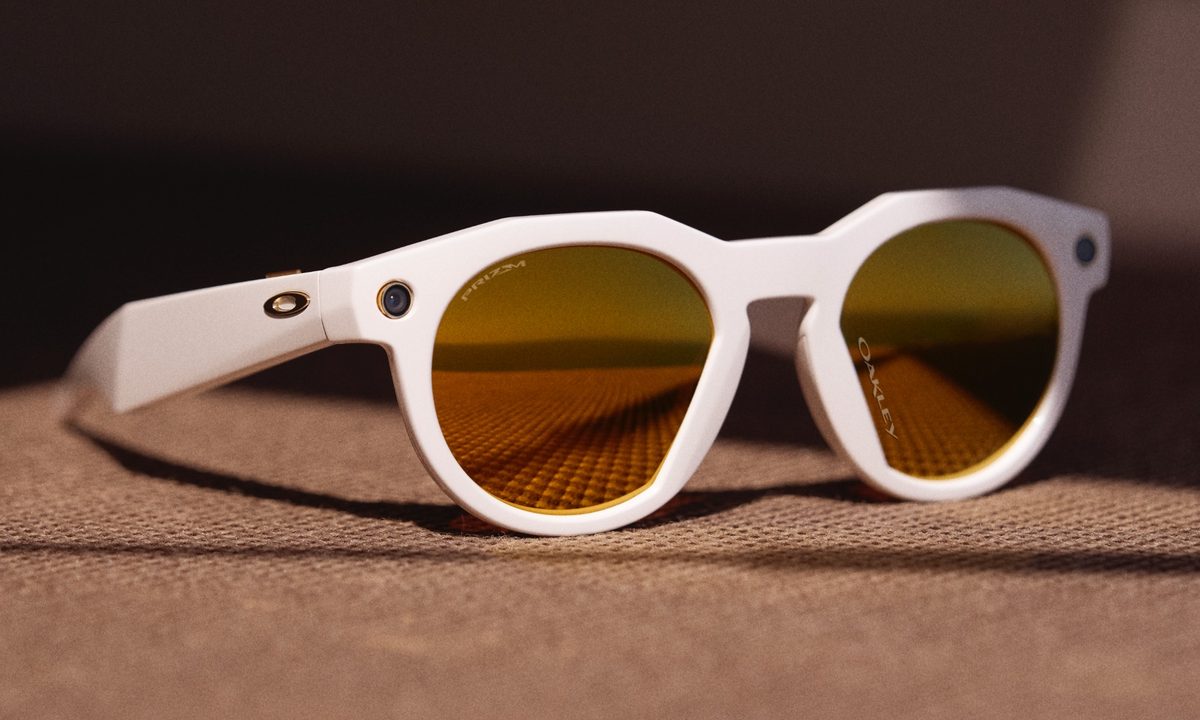
Close-up view of Oakley Meta HSTN Smart glasses.
Meta

For the billions of people who rely on corrective glasses every day (including me), smart glasses have always been a slightly awkward conversation. Sure, you can already pick up Ray-Ban Meta frames with your prescription built in, but it looks like Meta has something better in store for us. 

According to a Bloomberg report, Meta is working on two new AI glasses designed specifically for prescription wearers rather than treating them as an add-on afterthought. The models could arrive in rectangular and rounded frame styles. Unlike current offerings, they will be sold through conventional prescription eyewear retailers. 

Will the new prescription-friendly glasses look any different?

This could be the first time the Meta and Ray-Ban collaboration has directly aimed its vision-corrected crown at the primary audience. However, that is the extent of the information the outlet provides. There’s no word on how the frames might differ physically from the current models. 

Recommended Videos

However, if I were to speculate, it could have something to do with the lens housing, thickness, and the weight of the glasses. 

Beyond the hardware, I feel, what would truly make the purported AI glasses prescription-friendly is the ability to talk to any neighbourhood optician and have them work on it. That kind of accessibility could really make the glasses prescription-friendly. 
What else do we know about Meta’s upcoming smart glasses?

The Verge separately flagged FCC listings for the purported glasses internally codenamed “Scriber” and “Blazer.” Both are listed as production units, which typically signals a launch isn’t quite far off. A detail that stands out is that Blazer might come in a larger size than Scriber. 

Both models should also support Wi-Fi 6 UNII-4 band, something that the current Ray-Ban smart glasses lack. It would open the door to faster data transfer, and perhaps to livestreaming. Anyways, no display is expected on either model. 

What’s clear, however, is that Meta is eyeing prescription wearers as the biggest untapped market for its smart glasses.

Shikhar Mehrotra
For more than five years, Shikhar has consistently simplified developments in the field of consumer tech and presented them…
DeepSeeek V4 is out, touting some disruptive wins over Gemini, ChatGPT, and Claude
An open-source model that beats GPT-5.4 on Codeforces and costs a fraction of Claude isn't just a news story; it's a pricing ultimatum to the entire AI industry.
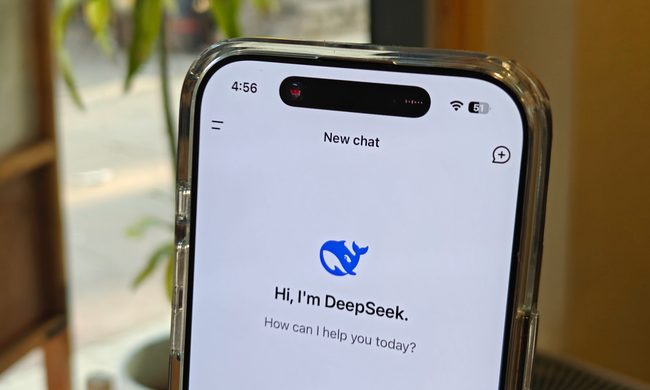
DeepSeek AI chatbot running on an iPhone.

China’s DeepSeek has a habit of showing up, uninvited, to Silicon Valley’s AI party, and this time, it has done so with the long-awaited V4 preview. The Hangzhou-based company has released its latest AI model, which beats popular American models in certain areas. 

DeepSeek has launched two new models: V4-Pro (Expert mode) and V4-Flash (Instant mode). While the former is a massive 1.6 trillion parameter model, the latter is at a more manageable 284 billion parameters. However, both of them have a one-million-token context window. 

Read more
The days of ugly solar panels could finally be over. Say hello to artsy colorful tiles!
These colorful solar panels can blend into almost any building.
ShadeCut-solar-panel

Solar panels are great for the planet, but have long been a headache for architects, homeowners, and historic preservation boards. That tension between sustainability and aesthetics may finally have a real solution.

Researchers at the Fraunhofer Institute for Solar Energy Systems ISE in Germany have developed a technology called ShadeCut, which applies colored, patterned films to solar modules that can convincingly mimic roof tiles, masonry, or even custom logo designs.

Read more
Sony’s table tennis robot made me think about what happens when AI gets a body
Ace starts as a flashy sports demo and quickly turns into a preview of AI moving from screens into factories, hospitals, farms, and homes
Ball, Sport, Tennis

I wanted to dismiss Sony’s table tennis robot as another expensive lab flex. A machine that can rally against elite players is impressive, sure, but it also sounds like the kind of demo built to make executives clap in a room where everyone already agreed to be impressed.

But table tennis is a nastier test than it looks. The ball is small, fast, spinning, and rude enough to change direction the moment it hits the table. Sony’s system faces something less forgiving than calculation. It has to see, predict, and act before the point is gone.

Read more