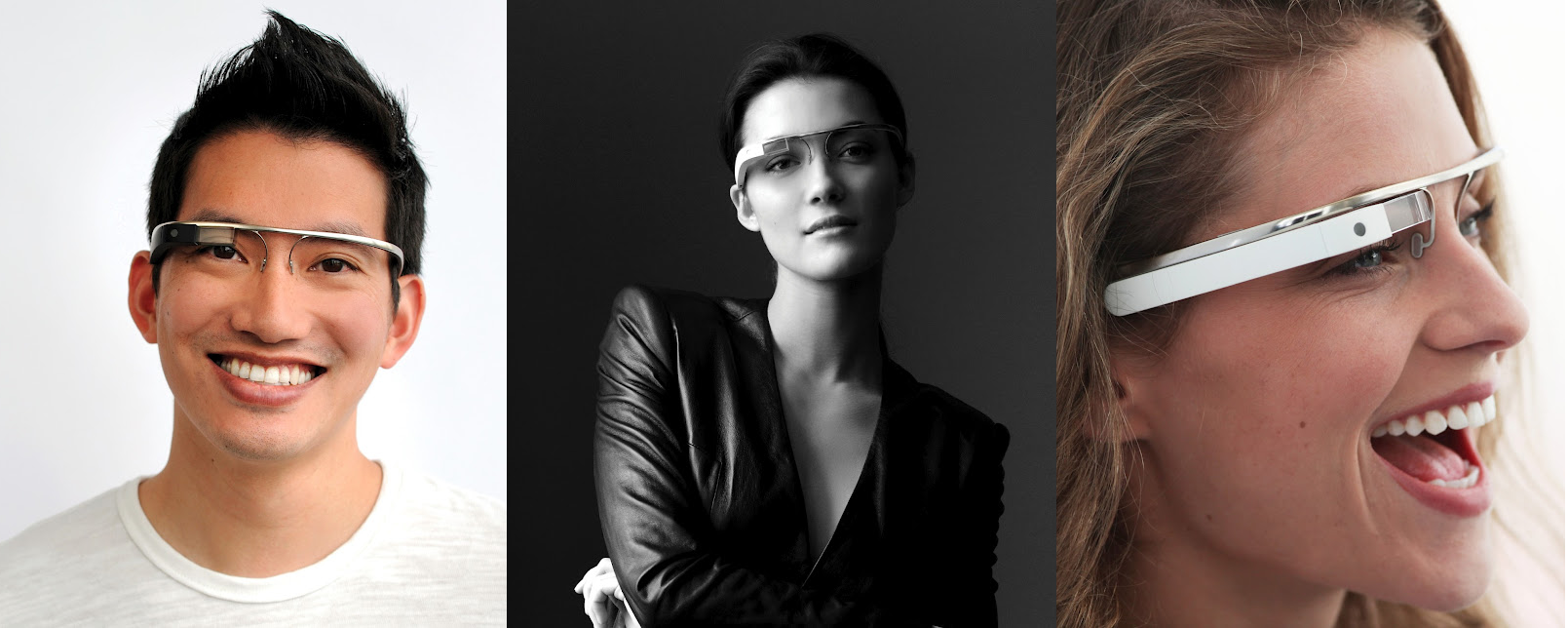
 When Google first announced plans for its augmented reality Google Glass specs earlier this year, there was much talk and excitement about how they might be used.
In the intervening months, however, the project has slipped out of the headlines somewhat as Google engineers continue to work on a product that it hopes to commercialize in late 2013 or, more likely, early 2014.
In an interview published this week by IEEE Spectrum, project leader Babak Parviz let it be known that the team is continuing to make progress with the development of the high-tech specs, though clearly plenty of challenges still lie ahead. He told the technology publication his engineers were constantly testing out new ideas for how to use the new platform.
New features
While we already know the specs are capable of taking photos and shooting video, Parviz also spoke of other features added in recent months. A touch pad, for example, has been incorporated into to the wearable tech, and moves have also been made to get the gadget to work with head gestures and voice commands.
When asked if it would be possible to receive calls using the glasses, Parviz said it was something his team was working on.
While those involved with Project Glass will of course be keen to load up the glasses with as many features as possible, they know all too well that more features means more pressure on the specs’ battery. However, Parviz said he hoped it would be powerful enough to last at least a whole day.
With Google so tightly associated with advertising, you might think it’d be looking at ways to get ads up and running on the specs, but the project leader told IEEE Spectrum there were currently no plans to go down such a route.
‘Complicated’
Above all, Parviz was keen to make clear that the project was unlike anything else undertaken by the Mountain View company, describing it as “complicated.”
“This is not a laptop or a smartphone. It’s an entirely new platform. So how people interact with it and what people do with it is totally new territory,” he explained. “We’ve explored multiple things. We’ve taken pictures and done search and other things with this device. But we hope that when we ship this to developers, other people will also figure out what this very powerful platform is able to do.”
Indeed, Parviz said that once the team is happy that the specs’ hardware and software is sufficiently robust, they’ll be made available to a select group of developers at $1,500 a pop – probably in the next few months. And once they get hold of them we should really get to discover the true potential of Google’s futuristic goggles.