  1. Home
  2. Emerging Tech
  3. News

Online payments are dimming the charm of one of America’s top tourist attractions

One of America's last analog tourist traditions just joined the cashless economy.

Add as a preferred source on Google
Photography, Binoculars, Camera
Unsplash

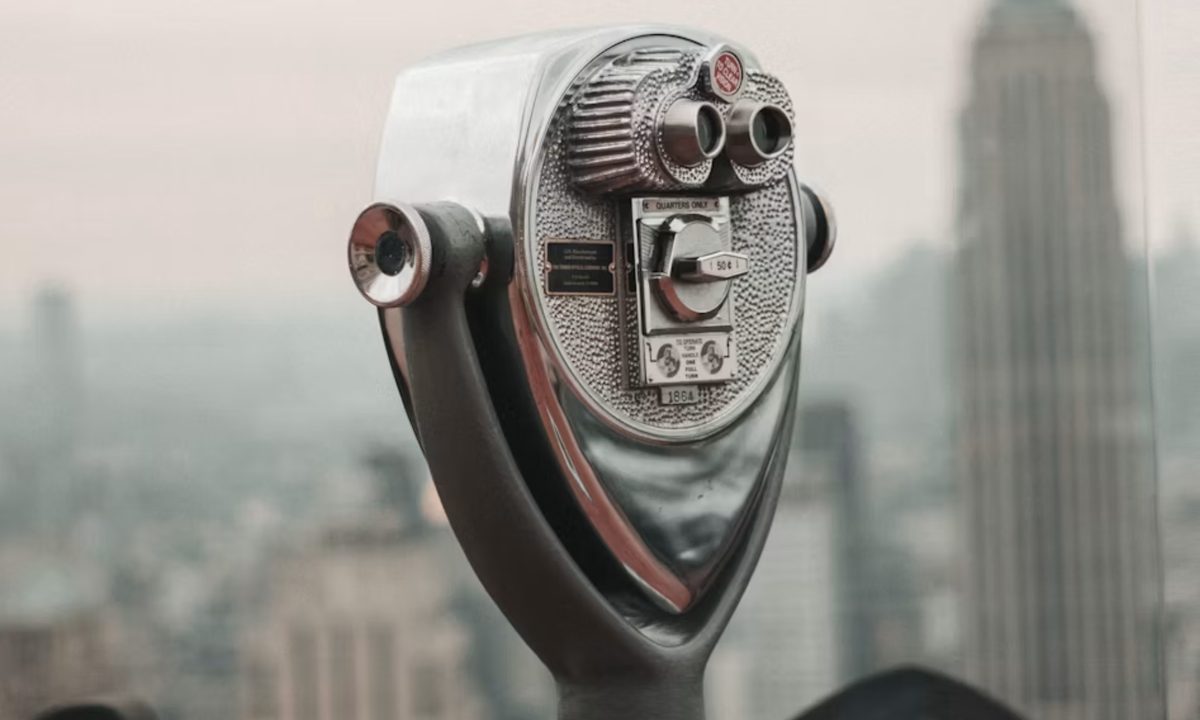
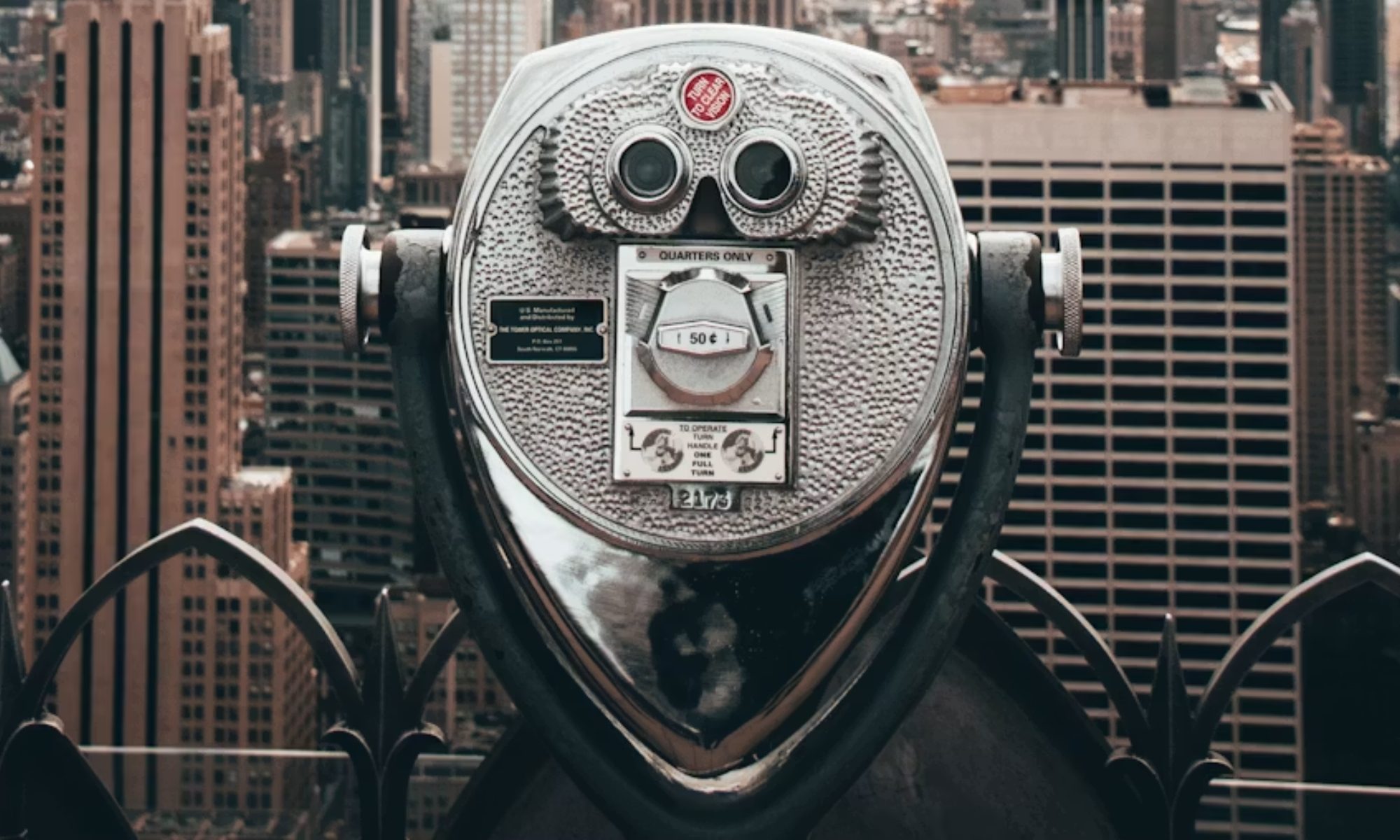
We all know those heavy, coin-operated binoculars perched on every scenic overlook in America, the ones you’ll find everywhere from the Empire State Building to the Grand Canyon. Turns out, they’ll soon start accepting tap-to-pay payments. 

This is great news, as you’ll no longer need to carry a quarter anymore, and making payments with your smartphone is much more convenient. However, I’d argue that the quarter was kind of the whole point.
So why do these binoculars need a tech upgrade now?

Tower Optical, the company behind nearly 2,000 of these cast-iron binoculars across the United States and Canada, has been making them since 1933, and its owners have come up with an interesting yet sad insight.

Recommended Videos

Co-owner Adam Rice says that people still want to use the binoculars, but they’ve just stopped carrying quarters. It’s the growing popularity of contactless and digital payments that is to blame here (via WSJ). 

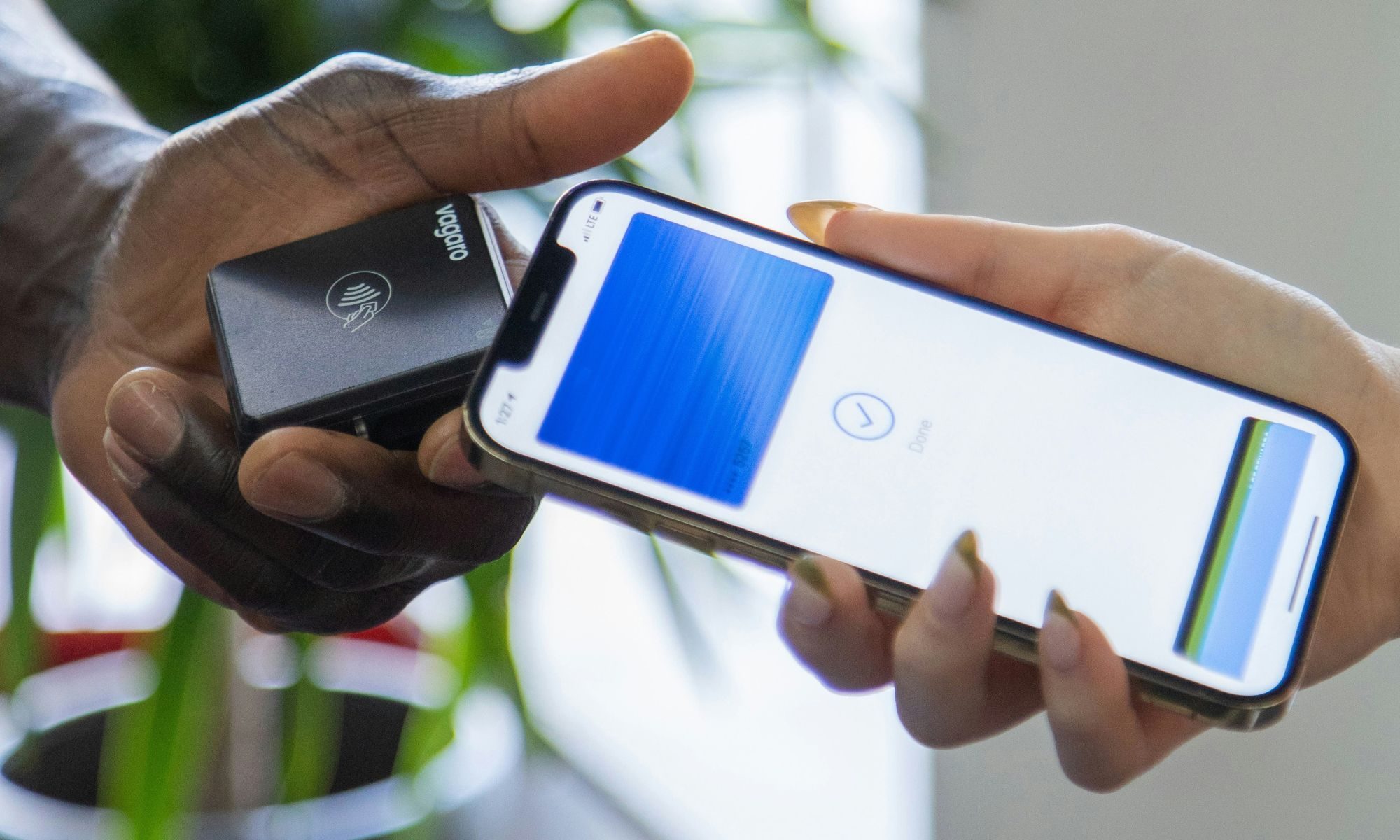
A new ownership group is quietly replacing the old coin slots and timers with battery-powered, tap-to-pay terminals. The only visible change is a small antenna on top of the binoculars. The first retrofitted units go live this month, including the iconic viewers on top of Rockefeller Center.
Is this actually a win for tourists, or does it kill the vibe?

Here’s my honest take. This is definitely the right business call, especially since more and more people are getting accustomed to paying for stuff using their smartphone.

However, it is a slightly sad one at the same time, since these viewers survived almost a century by staying exactly the same, without any signs of digitization. No app, no screen, just you, a coin, and a view. Tap-to-pay keeps them alive, which is good as nobody wants these things to disappear.

But it also ties them to your phone, the same device Rice says people are using these binoculars to briefly escape from. The irony is not lost on anyone who has ever fumbled for change at the top of a mountain only to realize they could have just tapped their phone the whole time.

Tower Optical’s previous owner Greg Rising explored augmented-reality overlays that never shipped before he passed away in 2024, which was also when new investors took over. Their bet is simpler: don’t reinvent the experience, just fix the payment method, while keeping everything else just as nostalgic as it’s always been.

Shikhar Mehrotra
For more than five years, Shikhar has consistently simplified developments in the field of consumer tech and presented them…
The FBI secretly built an entire fake town just to practice cyberattacks
Hidden inside a warehouse in Alabama, the Kinetic Cyber Range recreates real-world digital attacks from start to finish.
FBI Kinetic Cyber Range Featured

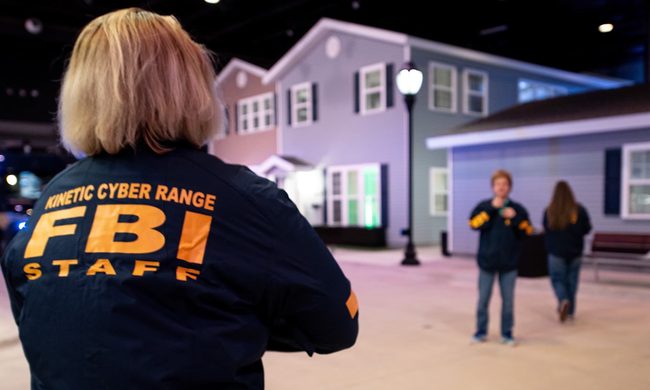
While Hollywood has fake cities for filming movies, the FBI apparently has one for getting hacked. The agency has pulled back the curtain on its Kinetic Cyber Range, a 22,000-square-foot replica small town hidden inside its Huntsville, Alabama campus. But instead of training officers for shootouts or hostage rescues, the facility is designed to simulate realistic cyberattacks on homes, businesses, and critical infrastructure so investigators can practice responding to them in a controlled environment.

The FBI built an entire town just to simulate cybercrime

Read more
Brazil’s secret World Cup weapon taught the team when to ignore it
The data said he wasn't running enough. The footage said he was always in the “perfect tactical position.”
Soccer ball in net

Brazil has more World Cup titles than anyone, five of them to be precise, but after going through five straight tournaments without adding to that count, the team is leaning hard on data this time. 

Every player wears a sensor-packed "smart vest" tracking field position (via GPS), heart rate, and a stat called "player load," the same kind of numbers that your Whoop band or Apple Watch brags about, but tuned specifically for the sport.

Read more
New OLED breakthrough could make the next see-through screen actually worth using
The electrode fix that could finally make see-through screens worth looking at.
Computer Hardware, Electronics, Hardware

Every transparent OLED demo I’ve seen so far looks amazing for about ten seconds, right before I notice how dim or smudgy it actually looks. A big part of the problem is the role that electrodes play in the design. 

A transparent display requires a see-through electrode that sits on top of incredibly delicate organic light-emitting layers. However, most of the usual options either conduct electricity poorly or risk damaging those layers during manufacturing. 

Read more