Pay-to-win microtransactions that give some players a clear advantage over others absolutely ruin games for those who don’t pay up. As a result, many games have opted to relegate all microtransactions to cosmetics only. These might make one’s character look cool, but don’t give them an edge in a fight. It makes sense in a competitive game, but what happens when cosmetics are the main draw?
This is a conundrum that I couldn’t get out of my head as I played Fortnite this week after buying its battle pass so my cousin could be more comfortable playing it on my PS5. I’ve played Epic Games’ battle royale more than ever this past week. During that time, I’ve noticed just how critical cosmetics are to the Fortnite experience and how most outfits and emotes are locked behind a paywall. As companies try harder and harder to turn games into metaverses, it’s time to reassess if cosmetic-only microtransactions are still acceptable.
Never-ending Easter
Over Easter weekend, my younger cousin visited me as part of the holiday celebrations. We were eventually drawn to the PS5, and I had installed Fortnite (their favorite game) on to the system so they could see the game in action on a next-gen console. While we were having fun playing it together, they pointed out that my character had the default outfit and was surprised that I hadn’t spent money buying more cosmetics.
Spending money on cosmetics immensely changed my relationship with Fortnite.
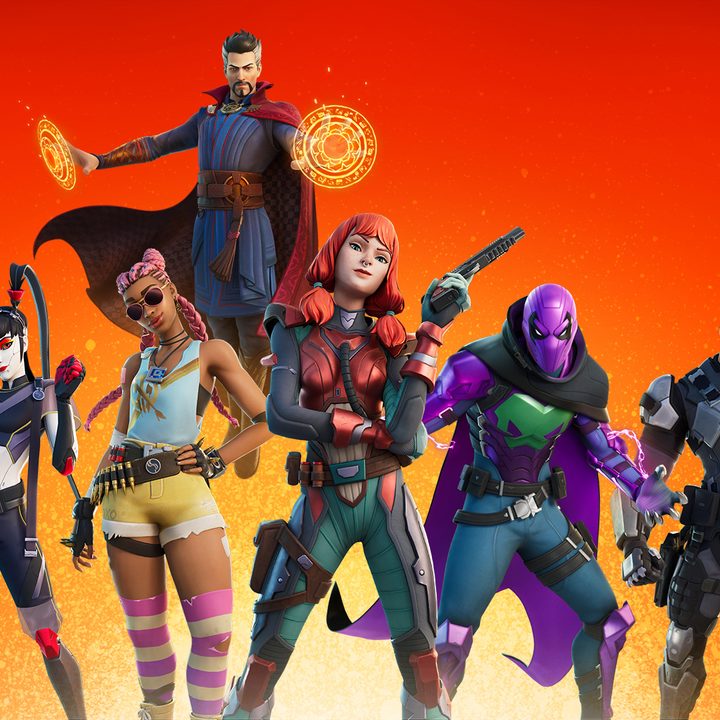
Understanding that sentiment, I spent $20 on V-Bucks to buy a skin, emote, and Chapter 3 Season 2’s battle pass. My cousin eventually left, but I didn’t stop playing Fortnite over the rest of that holiday weekend. I had just spent money on the battle pass and wanted to unlock the Prowler and Doctor Strange outfits that I had paid for, but needed to play to earn. It’s at the end of this season’s battle pass.
Call it sunk cost fallacy, but I’ve tried to get my money’s worth out of Fortnite over the past several days. During that grind, I came to a startling realization: The cosmetics are as crucial to the Fortnite experience as the gameplay.
It wasn’t this way when I played Fortnite a bit during its early days, but now that Epic Games is turning the battle royale game into a crossover-filled metaverse, how players look is just as important as how they perform in a match.
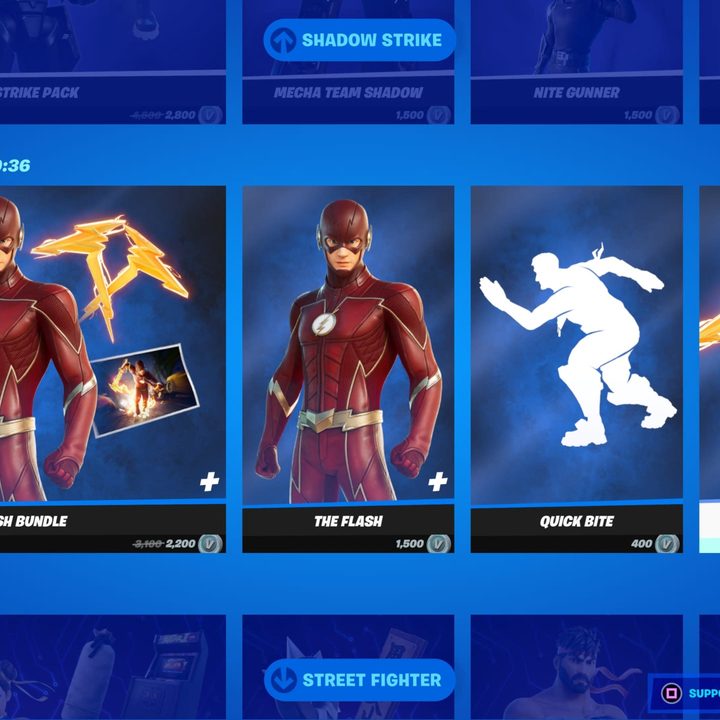
Whether it’s in a pregame lobby with random players or a session with close friends, the outfit your Fortnite character is wearing and the emotes they use are vital aspects of the social experience. Unlocking cosmetics also serves as the backbone of Fortnite‘s progression, because one has to keep playing the game to unlock outfits or earn the currency to purchase them.
Spending money on cosmetics immensely changed my relationship with Fortnite, so I’d argue the game’s microtransactions noticeably impact the experience.
The cost of self-expression
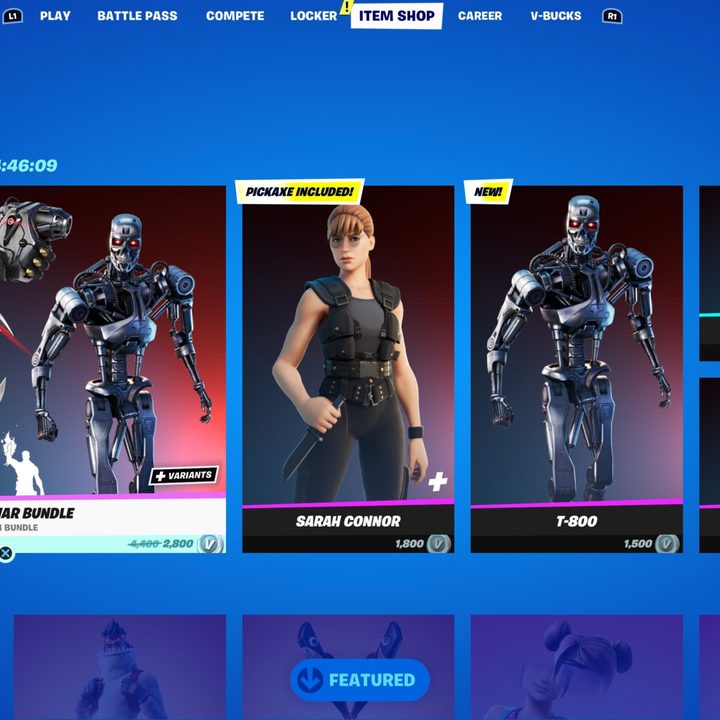
Fortnite is a leading metaverse game now despite its humble origins, and many competitors like Manticore Games’ Core are following its lead. Cosmetics are the main things that are monetized because they supposedly don’t impact gameplay. But this approach directly contradicts statements from developers. Manticore Games CEO Frederic Descamps recently explained to Digital Trends how “the metaverse is a new place for self-expression and creativity.” Right now, a major aspect of player expression is locked behind a paywall or extremely long grind.
Developers and players now place so much value on these cosmetics that people like my cousin feel like they are missing out when they don’t have cool character outfits or emotes. I also keep playing Fortnite because of the cosmetic I paid for but can’t yet access. I’ve noticed just how much of an iron grip cosmetics have over the experience, and I expect future metaverse games to follow suit.
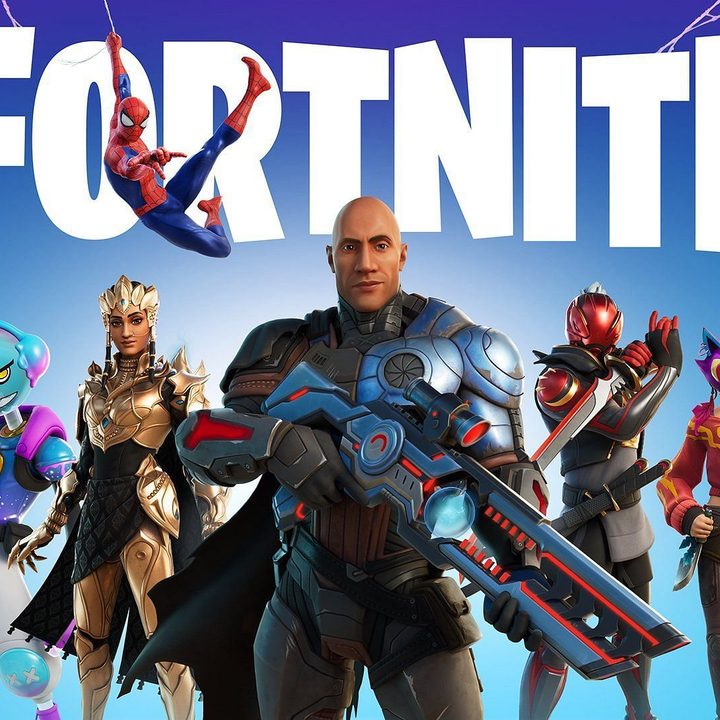
Due to their more positive reputation, cosmetic microtransactions aren’t as immediately noticeable or derided by players. But if you don’t pay up in Fortnite nowadays, you aren’t getting the most out of the social aspect of the game that Epic Games loves to tout. Cosmetic microtransaction might be the better of two evils when compared to pay-to-win microtransactions. Still, it feels like cosmetic-only microtransactions are becoming just as negatively intrusive in metaverse games as pay-to-win ones.
I don’t blame my cousin for wanting their characters to look special and emote uniquely or I don’t regret spending the money so he and I could have a lot of fun playing together. But it’s clear that a very significant part of the fun of Fortnite for people of all ages is locked behind a paywall and that leaves me concerned for the future of cosmetic microtransactions. These microtransactions will likely only worsen and become more prominent as more metaverse games like Fortnite continue to emphasize customization and player expression over moment-to-moment gameplay. As such, it’s not possible for me to look at cosmetics as the “good kind” of microtransactions anymore.