It was the frequency of those three little letters on my Twitter feed that originally caught my eye. “NFT.” I had no idea what that was or what it meant, but it was showing up everywhere. Within days, half of my feed was either kowtowing at the feet of this new technology or heralding it as the end of civilized society as we know it.
Between the praises and criticisms, I still couldn’t work out exactly what it meant. My Twitter feed is made up almost entirely of game designers, journalists, and other games-adjacent folks, so I knew it had to have some significance with games. Finding out exactly what it meant took me on an odyssey of promises, accusations, and entirely too much money.
NFTs have become a hot-button topic in the last few months, due in large part to many prominent game companies’ promises to incorporate them into their games and IPs at large — and the resulting fan backlash. In order to understand exactly what they are, who they’re aimed at, and what picture they’re painting of gaming’s future, I did quite a bit of research and spoke to advocates on both sides of the crypto spectrum.
NFTs and their controversies
An NFT, or non-fungible token, is a unique, usually digital item that can’t be substituted for anything else. This lack of substitution is ostensibly what gives them their value: Each one is unique. NFTs are purchased with cryptocurrencies like Ethereum and are stored on a blockchain. They can be just about anything digital, but often take the form of art, music, videos, GIFs, or tweets.
Gaming examples include property within virtual spaces, like in the “user-generated world” of The Sandbox, or the videos and art that Konami is selling as part of Castlevania’s 35th anniversary. In essence, when you purchase an NFT using cryptocurrency, you’re purchasing a receipt that says you own a particular piece of media.
“An NFT is a receipt. That’s all it is,” Doc Burford, a game developer and critic, told Digital Trends in an email interview. “[NFTs are] a receipt that says ‘you own this, but it’s not legally enforceable, and you also don’t have the rights to use it the way you would your own property.'”
Another prominent issue with NFTs is their ecological impact. Blockchain tech generally uses energy to process transactions, which means that a simple NFT sale can effect the environment. That’s caused many artists to eschew the technology altogether.
“As more mainstream businesses start to implement blockchain technology, more are becoming better informed and aware of the dangers. … It’ll be interesting to see how better processes will be developed to minimize the carbon footprint,” Crystal Mills, an esports writer and content creator, tells Digital Trends. She pointed out that “massive corporations are also some of the biggest perpetrators of climate change and shouldn’t be ignored.”
Ethereum has been promising for years that it will switch to the more eco-friendly “proof of stake” security system in order to combat emissions, but that has yet to happen. The issue is that Ethereum is a public blockchain, which means that the entire system has to “agree” to change to proof of stake from the existing system. If not, the whole thing will fall apart, which makes it difficult to adopt wide-ranging changes like an entirely new security system.
Players as investors
So what does any of this have to do with gaming? Quite a bit due to recent announcements from several different game developers and publishers. After seeing the apparent success of many early NFTs, gaming companies want to cash in on the trend. NFT announcements have been especially common among old-guard developers like Square Enix and Konami.
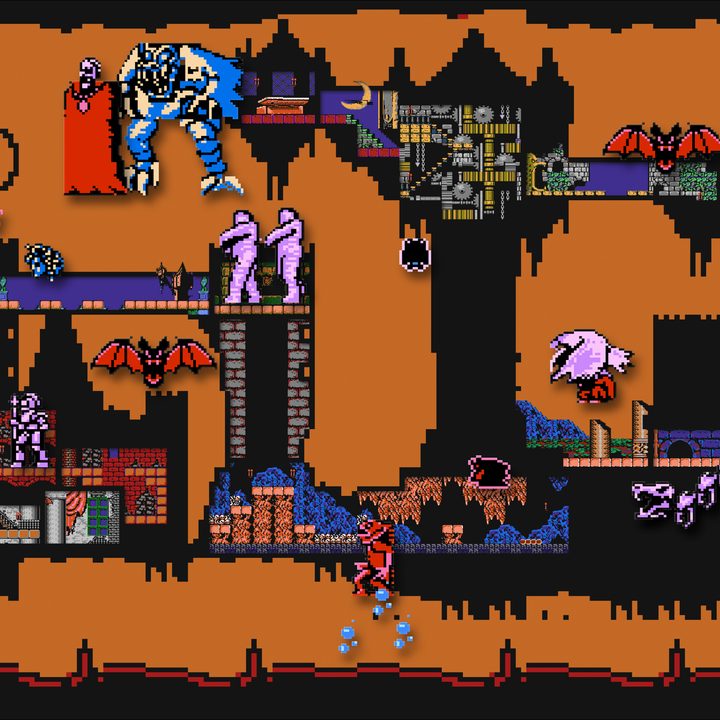
Square Enix, which already has the cash cow that is Final Fantasy XIV, is interested in creating NFTs with “true value.” (“You can’t make NFTs most people can afford and also have NFTs be ridiculously valuable,” argues Burford.) And Konami is selling a variety of videos and artwork of old Castlevania titles to celebrate the franchise’s 35th anniversary, though most fans made it clear that they would much rather have a new title in the series than a collection of themed NFTs.
“As more mainstream businesses start to implement blockchain technology, more are becoming better informed and aware of the dangers.”
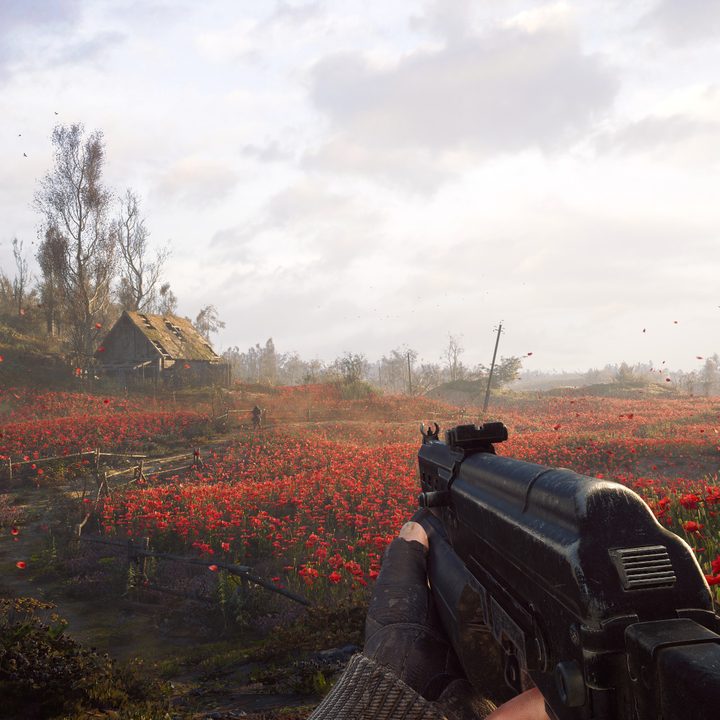
Other companies have backed down on their intent to mix NFTs and gaming. After a big backlash from fans, Sega took a step back from its intent to pursue NFTs, saying it wouldn’t use them if fans thought the company was only using them to make a profit. GSC Game World, the developer of the S.T.A.L.K.E.R. series, originally announced plans to allow players to purchase the ability to put themselves in the game as a nonplayable character. After fans cried out, GSC Game World originally defended its plans, but ended up tossing the whole thing out the window.
It’s clear that many gamers don’t want any of the NFTs that have been dreamed up so far. What could the technology be used for in the future that players would be interested in? According to a VentureBeat article from early last year, some crypto evangelists and investors believe that players will be willing to spend money on something within a game that they can resell or get investment value out of when they decide to stop playing the game.
For some, the goal is for players to be able to make money alongside companies within their “walled-garden” ecosystems. “The idea of earning something digitally in-game that immediately becomes an asset outside of the game as well is really exciting,” said Mills. “We’re just now scratching the surface of [NFTs’] potential.” She says that potentially “earning something of actual value while playing a video game is awesome.”
One common idea for NFTs in games is the purchase of assets like weapons and character skins that could be transferred from game to game, even if one game shuts down its servers or is no longer supported. Another idea is a one-of-a-kind record for games, which was described as an “emotional memory” in the VentureBeat article. At the end of their playthrough of a game, players could purchase an NFT that shows off what they did in the game and displays their unique path to completion. It would only hold value for the person who played the game.
Developers as unwilling parties
Players aren’t the only ones who are either hesitant or hostile about the potential inclusion of NFTs within companies’ gaming repertoires. Some game developers have been warning players and companies about the difficulties of incorporating blockchain technologies into their games.
“When you insert profit motive into the game, you’re overruling fun, horror, compassion, curiosity, whatever else a game has, and you’re saying ‘you should play this because you can make money.’ You make [it] a job,” Burford says of NFT investments and crypto in games. He describes himself as a developer who likes “creating emotional experiences” for players. On his personal Medium page, he wrote a series of articles on why he refuses to put crypto elements into his own titles.
He uses the example of weapons and armor that some crypto enthusiasts have raised before. Even if you own something that’s your property, like a particular virtual gun or sword, his concern is that players will feel bad if that weapon’s power is reduced or otherwise tweaked during routine game balancing. Should players be able to keep the weapon they purchased at its original state? That can lead to major balance or gameplay issues down the road.
“Chaining yourself to a specific technology only limits your creativity.”
Burford also explains that NFTs that can be transferred from game to game limit the kind of games a developer can create. If players purchase transferrable items, like those same weapons and armor, as NFTs, they will expect to be able to bring those items into future games. If a studio plans to make different kinds of games or experiment with genres, NFTs and permanent ownership of items make it much harder to do so due to player expectations. NFTs make player-focused design much more difficult.
Despite these statements, Mills believes there’s real potential for NFTs and crypto in games. She suggested potential uses in MMOs in particular, and I can see the how that would work. Some ideas I can think of off the top of my head are one-of-a-kind cosmetics, weapons, or even experiences. All of these assets incur costs for developers, though; as a developer myself, thinking about pouring my time and energy into something that only one player will ever see or use isn’t appealing.
Who’s right?
Even after doing all of this research and parsing through these interviews, I’m still not sure what to think of NFTs and crypto in games in general, which is a testament to the incredibly mixed messaging surrounding the technology. Mills says that “we’re on the cusp of major innovation” with NFTs, but Burford insists that “chaining yourself to a specific technology only limits your creativity.” Despite the controversy, the NFT machine appears to be moving full steam ahead, with more companies announcing their intent to get into the space every month.
Ultimately, it’s up to each individual player to do their research and consider the positives and negatives of potential NFT and blockchain integration into games. What’s clear is that companies’ current development, use, and promotion of NFTs isn’t working. If companies are able to find a way to create unique experiences or opportunities that are only accessible through NFTs, it’s possible that players will slowly become used to their presence, as is what happened with DLC.
However, if companies continue to ignore their fans in the name of profit or “tack on NFT options in ways that aren’t going to be received well,” in Mills’ words, the integration may go much more slowly or not happen at all. Players are ensuring that their voices are heard, and some companies are listening. It remains to be seen just how games and non-fungible tokens will interact in the next few months and years, but one thing is for certain: The acronym “NFT” looks like it’s stuck on my Twitter feed for the time being.