
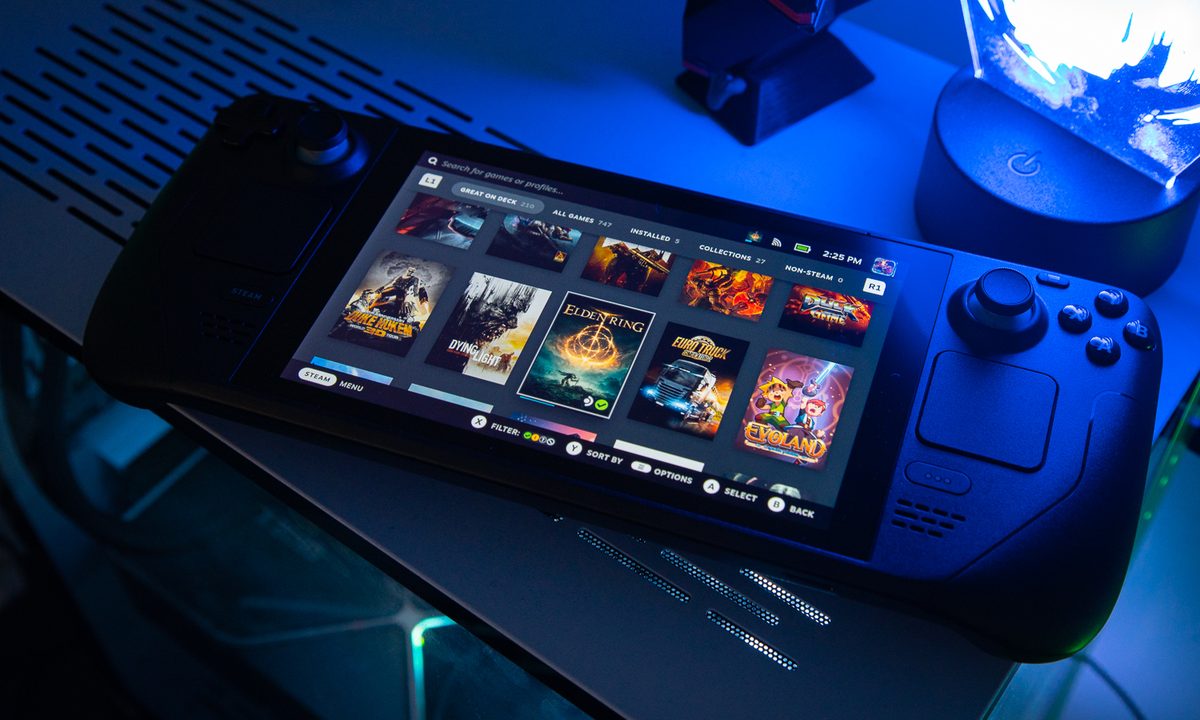
Valve has already done the hard part with the Steam Deck. It proved that a handheld gaming PC can offer a console-like experience while still being practical and fun. With the Steam Deck OLED, the company only sharpened this approach with a better screen, larger battery, and a handful of smart upgrades.
So the Steam Deck 2 does not need to chase some wild new identity. The current Steam Deck is not flawless, but it also does not need to win some pointless spec war. What I really want is a mix of quality-of-life improvements and hardware upgrades that tighten up the experience in meaningful ways.
Give me a better screen, but make it work harder for efficiency
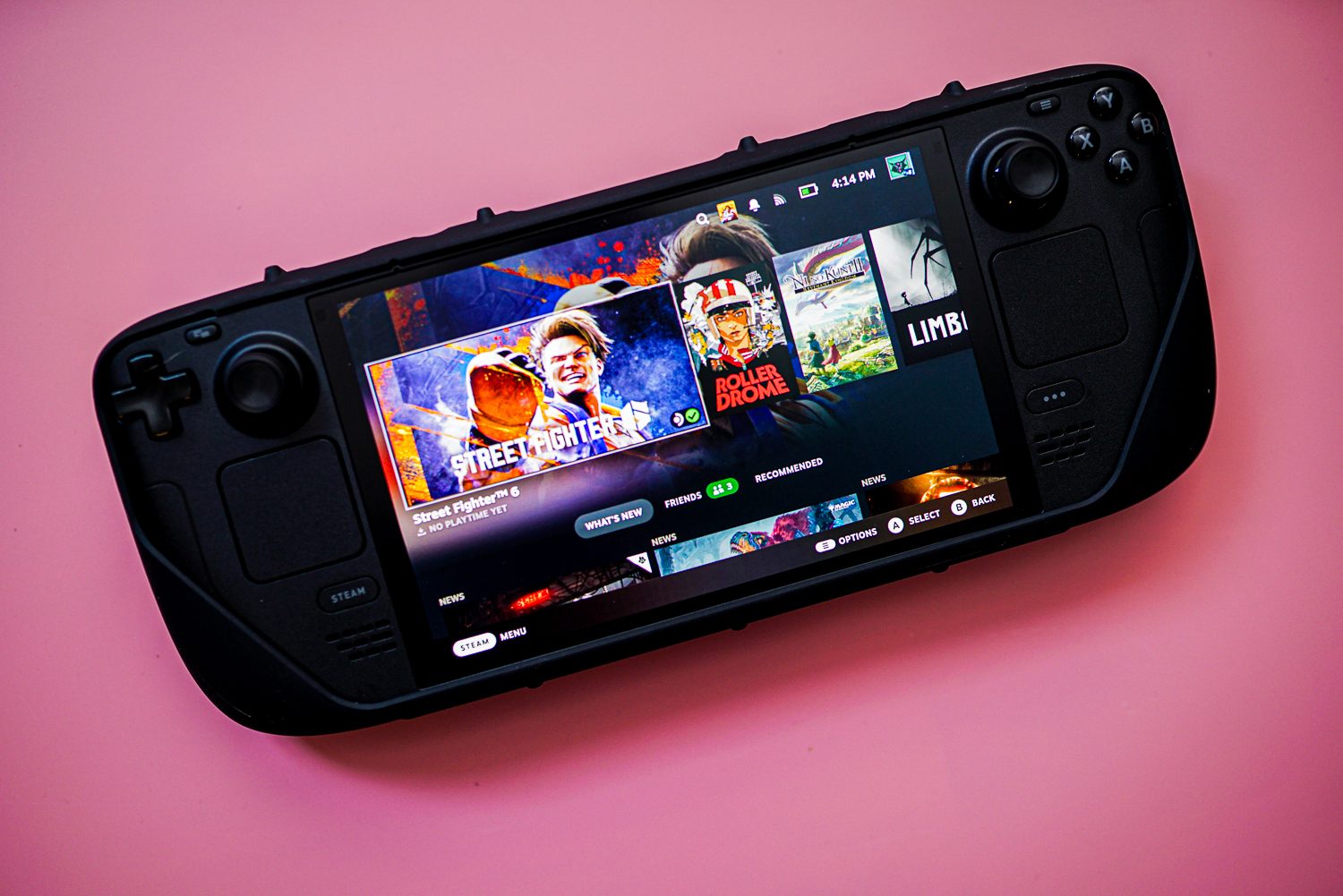
The Steam Deck OLED already has a lovely display. Valve’s decision to move to OLED, a smoother 90Hz refresh rate, and a larger 7.4-inch screen made for a very welcome refresh, and I would absolutely want OLED to return on the Steam Deck 2 as well. But the weird thing is that Valve still stopped short of one feature that would make a huge difference on a handheld: built-in VRR (Variable Refresh Rate). This omission really stuck out since VRR is pretty useful on portable systems like this.
It can help games feel smoother without forcing the system to chase rigid frame targets, and that can also translate into better battery behavior. Oddly enough, the Steam Deck OLED does support VRR on certain external displays over USB-C, just not on its own screen. Give the Steam Deck 2 a smoother 120Hz OLED panel and VRR, and it will be on even ground with the competition.
Battery life and charging need a bigger leap

Battery life is still the biggest quality-of-life battleground for handheld PCs. Valve made meaningful improvements with the OLED model, thanks to its larger 50Wh battery and better efficiency. Even so, it did not take long for reviews to point out that heavier titles can still drain the Deck OLED pretty quickly.
A bigger battery would make a real difference. The ASUS ROG Xbox Ally X is a great comparison with its huge 80Wh cell. So even something in the 70Wh range on a Steam Deck 2 would go a long way toward making the system feel less tethered to a charger.
Charging deserves some love too. Valve ships the Steam Deck with a 45W power supply, and while the 20% to 80% figures sound decent on paper, a full top-up still takes longer than I would like. Sleep behavior also needs work. With the current models, battery drain during sleep has been one of the most discussed issues in the community. A quick wake-up is only useful if the device is not quietly burning through battery while it sits in a bag or on a table.
Replaceable Battery?
This is definitely a tall-order request, but a replaceable battery on the Steam Deck 2 would be incredible. To be fair, Valve has already made the OLED easier to repair than the original, with Torx screws and better internal access. And with the EU continuing to push harder on removable and replaceable battery rules for portable electronics, there is at least an infinitesimal chance that handhelds could eventually benefit from that shift too.
Bigger focus on controls and core hardware
To make the Steam Deck 2 feel future-proof, I have a few greedy asks.
First of all, give it two USB-C ports, because one still feels too limiting on a handheld PC that also needs the same port for charging. One of those could even be Thunderbolt. This is not some isolated wishlist item either—users on the Steam Deck subreddit have been asking for the extra port for a while now. We also need more memory headroom. 16GB feels like the bare minimum now, not a comfortable target.
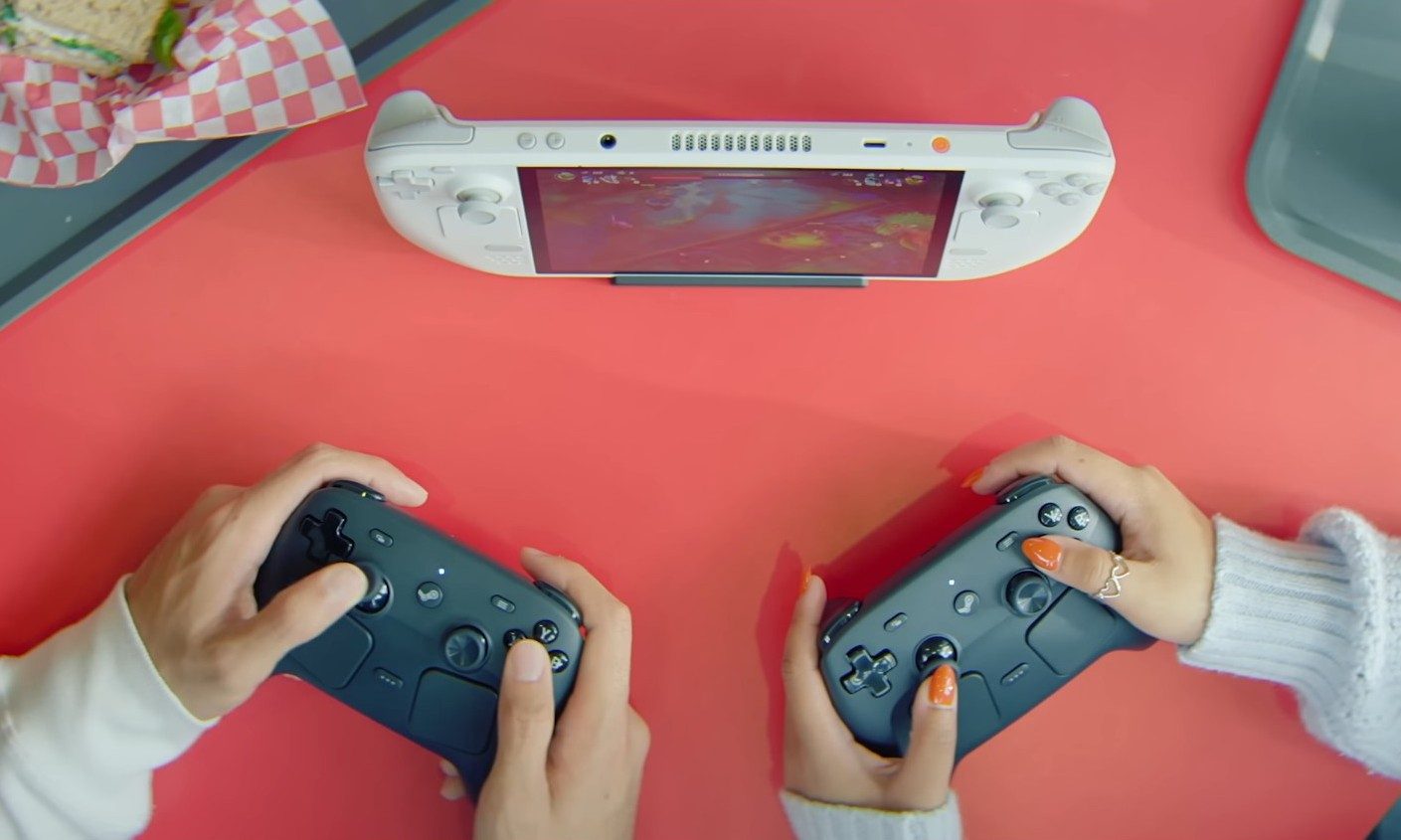
On the controls side, I would love Valve to look seriously at TMR joystick sensors instead of settling for the same old Hall Effect conversation. TMR is starting to get traction because it offers the same broad “drift-resistant magnetic stick” appeal while using far less power. The company has already given it a go with its new Steam Controller, which uses dual TMR magnetic thumbsticks. So it’s more than just a nerdy tech upgrade, fitting into Valve’s idea of “generational leap” in tech.
Steam Deck 2 does not need to be flashy
Valve does not need to make the fastest or most efficient handheld on the market. It just needs Steam Deck 2 to stick to the strengths that already made the original work, and then refine the experience even further.
Even if the company doesn’t bring all of these upgrades mentioned above, I’d still trust Valve to get the formula right. The company has never looked most interesting when it is trying to follow the industry. It only stood out because it is willing to take a good idea, keep experimenting (like with the original Steam Machine), and improve it without getting distracted by the rest of the market.
As one of my favorite YouTubers, DJ Peach Cobbler, put it: “Valve is not a massively successful company in spite of their failures, they are massively successful because they’re willing to fail.”


