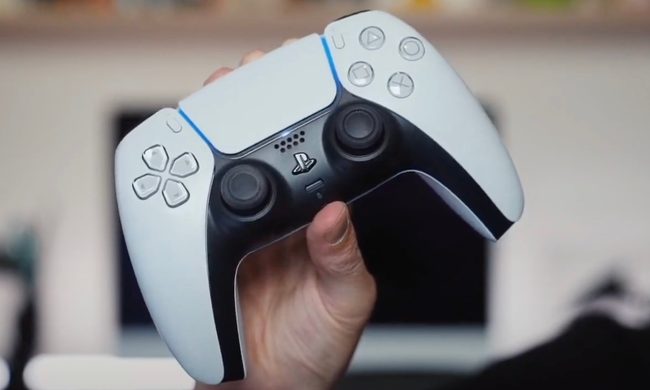
If you were to look at the PS5 generation on paper, you would come away thinking this was the best generation Sony’s ever had. It has crushed its main competition, the Xbox Series X, in both unit and dollar sales, and is generating more revenue than any previous generation. However, dive into any community forum or social media space and you will see a very different perspective on the current lead console. No system is perfect, and just because the PS5 is on top doesn’t mean it didn’t have plenty of fumbles along the way.
Five years into this generation, and with rumors and leaks piling up about the PS6, everyone is focused on what technical advancements the next generation will bring. How powerful will it be? Will it be a handheld? How much will it cost? Those are all important questions we need to get answers to eventually, but I’m more concerned with Sony avoiding stepping on the same rakes it did with the PS5. It managed to pull ahead on goodwill, hype, and the competition, making bigger blunders at the start, but the same won’t be true next generation. While the issues I have with the PS5 may seem disparate, they can all fall under one large umbrella: confusion.
Pick a direction and stick to it
If there’s one word I would use to describe the PS5 generation thus far, it is uncertainty. Despite all its success, this feels like the least confident Sony I’ve seen. I can pin a lot of that on the changing leadership structure, but that can’t account for everything. Every December I like to do a little year-in-review for PlayStation to see what it did well, where it stumbled, and what it means for the upcoming year. The story those old articles tell is one of a complete lack of direction. The bright spots are universally the games, but it is the larger strategy that seems to get abandoned and replaced each year.
I think it is that lack of focus that is the root cause of so many people’s frustration with PlayStation this generation. Some boil it down to a lack of exclusives, focus on live-service, dearth of new IP, or how silent the company is, but they all stem from that larger root cause. PlayStation has started and reversed course on so many initiatives that I don’t know what to trust anymore. When coupled with the insane development times for games at the level we expect from PlayStation Studios, any investment that isn’t followed through on could have rippling consequences for the core games it relies on. I’m not saying PlayStation shouldn’t be experimenting with the things I’m about to talk about, only that I wish it would pick one and fully commit to it.
The original PSVR was an odd experiment for Sony. It was an early and cheap way into VR and the only option around for console gamers. It felt a little slapdash with its clunky secondary box, mess of wires, and retrofitting old PS3 Move controllers, but it worked and managed to sell more than its competition at the time. The software support wasn’t amazing, but it satisfied a passionate audience and had tons of potential.

It wasn’t a huge surprise when the PSVR2 was announced, but it was by no means a certainty. Once I saw it, though, I assumed this was PlayStation doubling down and committing to VR being a core pillar of its gaming business. The headset was — and still is — very powerful. It still had one cord to manage, but was otherwise an ideal VR headset that came with all the convenience of a console. It was even launching with a Horizon spinoff game. And then…nothing.
Okay, not nothing. The PSVR2 is still getting support from third parties, but PlayStation itself seemed like it threw in the towel on VR the moment the headset came out. Not to disparage all the great games on PSVR2, but a lot of fans who plunked down $550 on the headset expecting more AAA blockbuster titles from PlayStation’s first party ended up feeling like they were left holding the bag.
The PSVR2 at least came to fruition, which is more than I can say for PlayStation’s mobile initiative. It is easy to forget that PlayStation launched an entire mobile division, including the purchase of Savage Studios. After rebranding the team as Neon Koi, the studio was shut down less than a year later without even announcing a title.

Finally, we have to talk about Concord and the massive live service debacle. Again, we have to be fair here and say that it was the right move for PlayStation to try and create its own live service game. As difficult and unpredictable as it is to find success in that space, PlayStation has the resources and talent to give it a better shot than most. What wasn’t a wise move was the all-in approach it took. Instead of one, two, or even three live service games, PlayStation proudly proclaimed it would be releasing over 12 in the coming years. Accounting for cancellations and games that have come out, that number is down to about three or four.
It can’t be overstated how critical trust is for a live service game. Players need to trust that the game will not only be fun, but will continue to reward them for weeks, months, and even years. Why would anyone spend time in a game if it stops getting content — or worse, is pulled from their library — a few weeks later? It creates a scenario where players would rather wait and see rather than jump in early, which is smart, but could cause a self-fulfilling prophecy when not enough players are willing to invest early and the studio has no choice but to pull the plug due to a low playerbase.
The unintended consequence of PlayStation appearing so bipolar with its various initiatives is that it is burning bridges it has yet to cross. The prospect of selling another peripheral or live service game gets harder when we all remember the last time it tried to and pulled the rug out from under us. I want PlayStation to keep on experimenting in the PS6 generation, but it needs to pick one or two things and commit to them.