
The FIFA Club World Cup 2025 kicks off June 14 in North America, as the best club sides from domestic soccer leagues around the world take to the field in a tournament which will crown the best club in the world.
This isn’t to be confused with the very similarly named FIFA World Cup – which is also being hosted by the US in 2026 along with Canada and Mexico – where the top nations from around the world (think the USMNT, Brazil, England etc) compete to be the best country in the world.
Major international soccer tournaments not only deliver compelling sporting action, but also tend to be the proving ground for new technology to improve the game and enhance the viewing experience.
From new camera angles and viewing experiences, to improved refereeing systems, the Club World Cup 2025 arrives with a bumper crop of net-busting tech.
What is the Club World Cup and why is it changing?
The Club World Cup 2025 will see 32 of the best domestic soccer teams from around the world descend on the US to battle it out and decide who is worthy of the title ‘world champions’.
There’s a major change for the 2025 tournament, as FIFA has significantly increased the number of clubs competing, from just seven in previous tournaments, to a whopping 32 teams this year.
That means even more of the world’s best players will be plying their trade at the tournament, giving soccer fans the ultimate viewing experience with 63 games in total.
For FIFA, that’s an attractive, and more specifically lucrative, situation with increased opportunities for revenue generation from the tournament.
It also appeases clubs who have complained in the past about not being invited to the tournament, plus for the US specifically it’ll act as a perfect trial event ahead of jointly hosting the FIFA World Cup in 2026.
Another change for the Club World Cup is its frequency, as starting from 2025 it will now be a quadrennial (every four years) event, rather than an annual occurrence.
The tournament’s first game, between Al Ahly and Inter Miami, kicks off on June 14, with the Club World Cup final scheduled for July 13 at MetLife Stadium in East Rutherford, New Jersey.
In total, 12 stadiums (including six NFL venues) will host matches across 11 cities;
- Mercedes-Benz Stadium (Atlanta)*
- Bank of America Stadium (Charlotte)*
- TQL Stadium (Cincinnati)
- Rose Bowl Stadium (Los Angeles)
- Hard Rock Stadium (Miami)*
- GEODIS Park (Nashville)
- Camping World Stadium (Orlando)
- Inter&Co Stadium (Orlando)
- Lincoln Financial Field (Philadelphia)*
- Lumen Field (Seattle)*
- Audi Field (Washington, D.C.)
- MetLife Stadium (East Rutherford)*
*NFL stadium, where advanced technology will allow referee camera footage to be broadcast live.
Which Teams Are In The Expanded Format?
North and Central America will be represented by five teams at the 2025 Club World Cup, with three MLS sides (Inter Miami, Los Angeles FC, Seattle Sounders) appearing at the competition.
Europe is the most represented continent at the Club World Cup 2025, with 12 qualifying teams heading out to the US, including Manchester City and Chelsea from the English Premier League, along with Real Madrid, Bayern Munich and Paris Saint-Germain (PSG).
Some high-profile clubs with recent silverware wins have missed out though, including Liverpool and Barcelona.
South America has six clubs representing, while both Asia and Africa are sending four clubs to the tournament. Finally, Oceania has a single club heading to the Club World Cup – rounding off the 32.
| Confederation | Number of Teams | Qualified Teams | Qualification Route |
|---|---|---|---|
| CONCACAF (North & Central America) | 5 | Inter Miami* Los Angeles FC Monterrey Pachuca Seattle Sounders | 3x Champions Cup winners 1x play-off match winner (2025) *1x additional host nation club |
| UEFA (Europe) | 12 | Atletico Madrid Bayern Munich Benfica Borussia Dortmund Chelsea Inter Milan Juventus Manchester City Paris Saint-Germain Porto Real Madrid Red Bull Salzburg | 3x Champions League winners (past three seasons) 9x Champions League best performing clubs (past three seasons) |
| CONMEBOL (South America) | 6 | Boca Juniors Botafogo Flamengo Fluminense Palmeiras River Plate | 4x Copa Libertadores winners 2x best-ranked eligible clubs (past four seasons) |
| CAF (Africa) | 4 | Al Ahly Esperance de Tunis Mamelodi Sundowns Wydad | 2x Champions League winners 2x best-ranked eligible clubs (past four seasons) |
| AFC (Asia) | 4 | Al Ain Al Hilal Ulsan HD Urawa Red Diamonds | 3x Champions League Elite winners 1x best-ranked eligible club (past four seasons) |
| OFC (Oceania) | 1 | Auckland City | 1x Champions League best-ranked eligible club (past four years) |
What new technology will we see in the new Club World Cup?
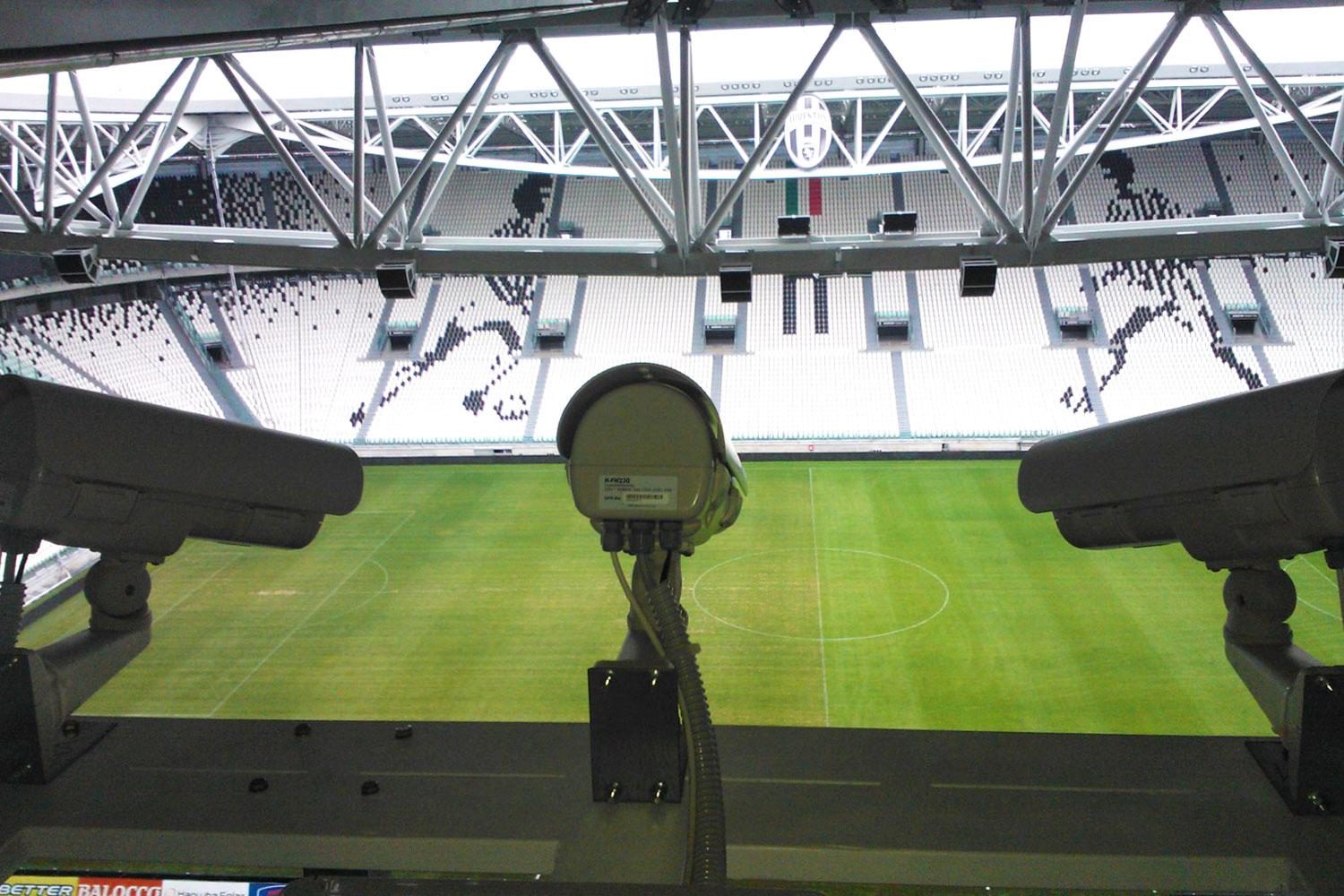
While the Club World Cup will mean even more games for players who have already completed a long season, there will be a number of new technologies introduced that could change the way the game is enjoyed for years to come.
1. Referee Body Cams
Arguably the biggest change is the addition of referee body cams. While this is a trial, and FIFA has stressed it as such, the idea is to offer ‘new experiences’ for TV viewers, allowing them to see the play from ‘a very unique perspective’, said Pierlugia Collina, chairman of the FIFA referees committee.
The footage is transmitted by a secure, private 5G connection to the production team, who will then be able to use these angles in replays and other coverage.
NFL stadiums will be able to show certain elements of the game, such as the coin toss at the start, thanks to the upgraded communication technology already contained within.
Not all footage will be eligible for broadcast, sadly. Anything ‘controversial’, such as red card or penalty decisions, will not be shown – hopefully this will be allowed in the future if the technology proves to be a success.
‘Ref cams’ have been trialled for the last year in various matches around the world, including the English Premier League and Germany’s Bundesliga, but this will be the first time the footage will be broadcasted to the fans.
2. Live Video Assistant Referee (VAR) Video Feeds and clearer communication
One of the key frustrations for fans since the introduction of VAR in the early 2020s has been the vague nature of what’s happening when watching in the stadium.
While those at home are usually informed by the commentators of the reason for the stoppage to check for a possible infringement, those watching live are usually left in the dark.
The Club World Cup will see footage from the referee’s VAR monitor streamed to the large screens in stadiums, allowing fans to see what’s being judged (in a similar fashion to the experience on TV). Once the decision has been made, the referee will then be able to broadcast their decision over the sound system, to ensure everyone knows the reason for the stoppage.
3.AI Offside Detection
One of the more exciting changes (depending on your perspective over whether technology belongs in soccer…) is the increased use of AI to help improve the accuracy of offside decisions.
Multiple cameras will be used from all angles, as well as sensors contained within the ball, allowing AI to quickly and more accurately spot where offside infringements are committed.
There will also be an audio signal, according to The Athletic, that will alert the assistant referee that they can raise their flag to signal a potential offside, meaning play will be stopped more quickly.
This is only a semi-automated system, as the VAR will still have the ability to review controversial decisions. However, as this is one of the more binary situations in soccer as to whether someone is offside or not, the addition of the advanced tech could help the game’s flow immensely.
4. Substitution tablet
Coming in under the heading of ‘why aren’t they doing this already?’, each team’s coaching staff will be given a tablet to give information to the match officials over which substitutions they intend to make.
This will mean the end of using (wasteful) paper to signal the decisions, and will help maintain the records of which players are entering and leaving the pitch.
New ‘eight second rule’ for goalkeepers
While this one isn’t to do with technology, it does involve counting… which is kind of tech-focused, right?
Previously, there’s been a little-enforced rule that goalkeepers must release the ball from their hands within six seconds, or an indirect free kick would be awarded.
To combat the lack of instances of this being penalised, FIFA is trialling a new system at the Club World Cup: goalkeepers will be allowed eight seconds to hold the ball, but the referee will be counting down on their fingers.
There will be a warning at five seconds, and if the ‘keeper doesn’t let it go on time, then a corner will be awarded.
This should, like the improved offside technology, should allow the game to flow a little faster and reduce the amount of time the ball’s out of play.
How can I watch the Club World Cup?
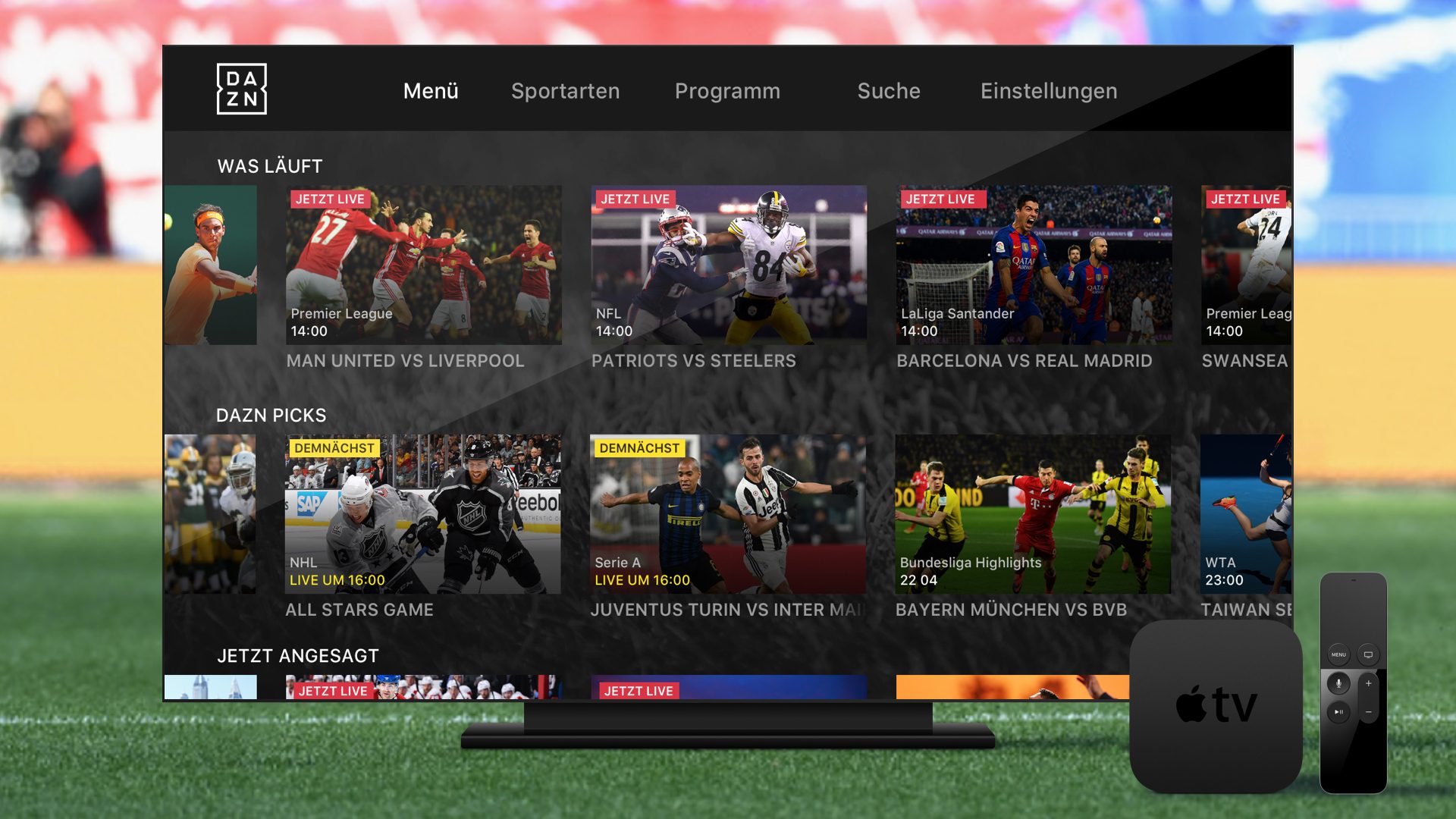
FIFA has signed a $1bn deal with broadcast DAZN to show all matches free-to-air for the 2025 iteration of the re-imagined tournament.
The first match kicks off at 7PM PT / 10PM ET on Saturday 14 June, where Al-Ahly take on Inter Miami (or to give the club its full name, ‘Lionel Messi’s Inter Miami’.
If you want to watch the games, you can download the DAZN app for most smart TVs, including Hisense, LG and Samsung, on Amazon Fire Stick or Roku or on your smartphone.
From there, you’ll just need to signup for the DAZN service for free, and you’ll be able to use those login details (either through an email address, or using Single Sign on with Google, Facebook or Apple) on your different devices.
That means there’s no reason to not watch the coverage of all 63 games as this new tournament kicks off. Will it become a fixture in the soccer calendar, or will it be just another set of games being added to the groaning amount of cups for teams to win?