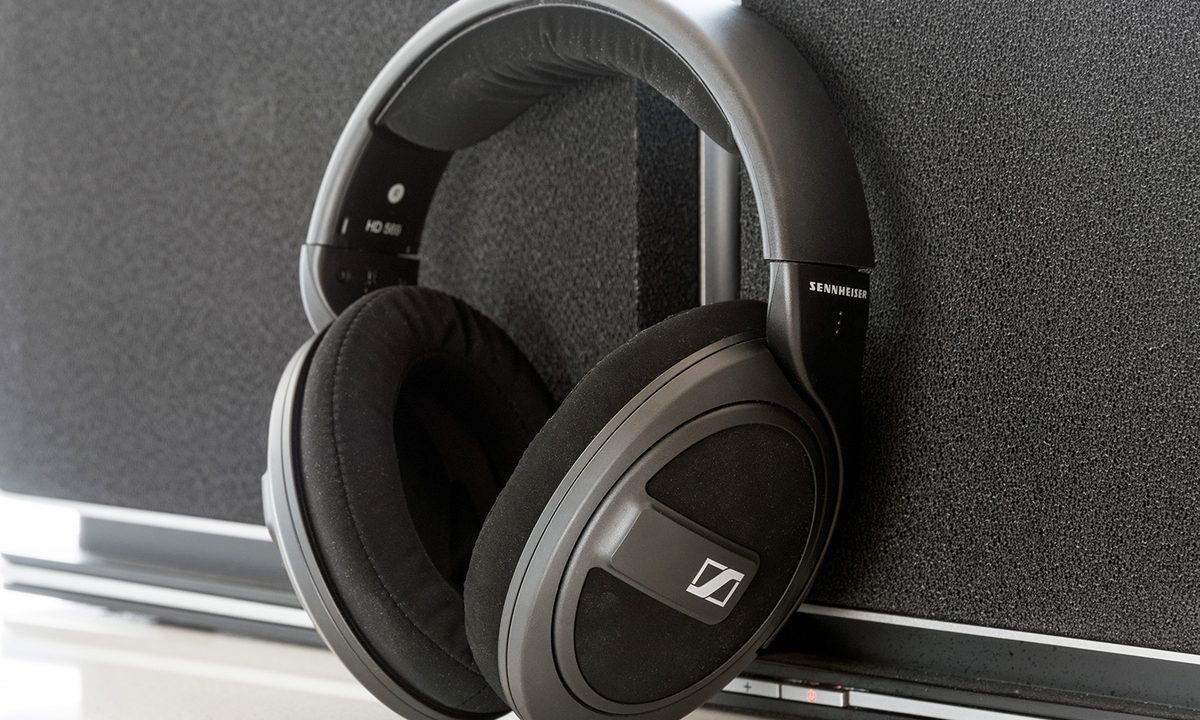

“We have a hard time thinking of anything as much fun for $180 as Sennheiser’s gorgeous HD 569.”
- Rich and detailed sound
- Vast, dimensional soundstage
- Sleek and robust design
- Great passive noise isolation
- Comfy and ergonomic fit
- Midrange-focused sound best for acoustic instruments
- No case or folding earcups makes travel tricky
“Why you can trust Digital Trends – We have a 20-year history of testing, reviewing, and rating products, services and apps to help you make a sound buying decision. Find out more about how we test and score products.“
Sennheiser’s HD 500 series represents a long pedigree of rich and clear-sounding headphones that punch well above their price class, such as the excellent — and surprisingly affordable — HD 598. The company’s latest pair, the HD 569, are no exception, offering blissfully detailed sound, a sleek and subdued look, and luxurious padding, all for a price that barely borders the $200 line. What’s not to love? Not much, as you’ll discover in our full Sennheiser HD 569 review.
Out of the box
While $180 may sound like a pricey proposition to those outside the hi-fi world, it’s a pittance to pay for rewarding sound, which means there’s not much budget for other frills. The HD 569 are boxed with according austerity, including no case and few accessories. Sunken in a thick bed of foam, the headphones come brandishing a thick cable with a fixed quarter-inch termination for professional applications and headphone amps. We think most buyers will be using them more with standard devices, however, and luckily there’s also a shorter 3.5mm cable which boasts a single-button mic piece.
Features and design
Part of an established series, the HD 569 have inherited plenty of family traits, including oversized earcups of the closed-back variety, a bulbous plastic band, and thick heaps of padding along the cups and upper band, cloaked in silky-smooth felt. The same synthetic felt material also adorns the earcups’ exterior. While the all-plastic chassis doesn’t scream luxury, the overall aesthetic is chic, stepping above mere minimalism for a quality look and feel.


The earcups are set back at an ergonomic angle, and rotate slightly on both the horizontal and vertical axes to achieve an excellent seal. Unlike a lot of modern headphones, the earcups don’t fold in for easier travel. Still, firm clamping force and massive pads not only make for a secure and comfortable fit, but they also create impressive passive noise isolation to keep unwanted ambient sound at bay.
In true Sennheiser fashion, both removable cables connect to the left earcup via a twist-lock 2.5mm termination, ensuring they won’t pop out without your blessing. The thicker cable with quarter-inch connection is nearly 10 feet in length, while the 3.5mm cable stretches just 4 feet for convenience on the go.
By the numbers, the headphones boast 38mm drivers using Sennheiser’s “Ergonomic acoustic refinement (E.A.R.), essentially designed to better direct the sound to your ears. The headphones boast a claimed frequency response of 10Hz to 28kHz, and 23 ohms impedance, making them easy to power with portable devices. They weigh just over 1.6 pounds — heavy for over-ears, but you’ll never feel it thanks to the comfy design.
Audio performance
Within the first few minutes of listening, we knew the HD 569 were special, sketching out detailed and organic-sounding acoustic instruments with sparkling clarity and rich warmth. In fact, the first few tracks we cued up gave the impression that we were listening to much pricier cans. Those who love richly drawn instrumentation and whisper-close vocals will have moments with these cans. Memories of some of your favorite music will be made, and that’s pretty impressive for a pair of headphones that ride below the $200 line.
The HD 569 offers vocals that burst forth at the center with equal blends of cutting clarity and ruddy resonance.
One of our favorite such moments came when we called up a new favorite, Joshua Tree in the Headphones, the latest from Deb Talan of the indie duo, The Weepies. This clever little U2 homage of electro-acoustic pop absolutely glistens through the HD 569, offering vocals that burst forth at the center with equal blends of cutting clarity and ruddy resonance. Acoustic guitar is a favorite of these cans, and they serve up that cutting glint of the nickel strings here with just the right dose of cold metal and smooth sparkle. The song’s roving percussion in the right side is brilliantly handled with a papery cut, while the low bass offers a full and firm foundation.
Staying close to our acoustic library, we had many similar moments of reverie. Belle and Sebastian’s sweet love lament Dress Up in You is gorgeously handled by the HD 569. The deep and spacious soundstage offers plenty of room in which the sparse instrumentation can play around, letting the little hints of tape echo wash softly from the left-set vocals to the front right. The trumpet solo in the center is breathy at the attack, revealing the mouthpiece bubble of the player’s lips ever so slightly before the gold colors of the horn seep through.
Of course, at just $180, there are some concessions to be made in fidelity. While they’re quite well balanced, with no glaring standouts across frequencies, the HD 569 tend to focus on the center of the sound. On the bright side, that equates to a mix of dark color and sterling articulation in the midrange that brings out the best in many of our favorite instruments. Alternatively, however, that also means they give up a bit at the far reaches of the sound.
Bass is actually pretty full and firm at the lowest frequencies, but it loses some punch in the upper and mid-bass registers. The result is a bit less rev and excitement than we’d like in certain genres, including heavier rock tracks and complex electronic music. Perhaps even more notable is the roll-off in the upper register, which results in diminished clarity and fluidity in higher synth tones, strings, and percussion instruments like tambourine or chimes.
It may well be that the HD 569’s overall balance across frequencies accentuates that lack of definition up top, as we found ourselves judging the cans against higher-priced models like the Audeze Sine — which frankly isn’t fair. In any event, while listeners who tend more toward heavy rock productions or complex symphonic music will want to weigh these factors, the HD 569 shine across genres, offering warmth, clarity, and detail to spare.
Warranty
Sennheiser offers a robust two-year warranty for the HD 569, which guarantees the product to be “free of defects related to manufacturing, parts, materials, and workmanship under normal and accepted use.” You can find more at the Sennheiser warranty page.
Our Take
Sennheiser’s HD 569 are a stylish, comfortable, and impressive-sounding pair of headphones, especially for those who love acoustic music. Frankly, it’s hard to find something as much fun as these cans at $180, providing a fantastic way to sink into the music and let it transport you somewhere else.
How long will it last?
The Sennheiser brand is now well past the century mark, and the quality of its products has remained a mainstay. While the HD 569’s plastic chassis may not be as sturdy as some metallic competitors, they’re robustly built and should last for years to come with proper care.
What are the alternatives?
There are plenty of worthy competitors to the HD 569 at or around the $200 price point, not the least of which are the HD 598 (reviewed here) we mentioned earlier, which can now be had for a much lower price than their original MSRP.
Other solid choices at this price include the latest studio cans from Yamaha, the HPH-MT8, which offer a bit more extension in the upper register along with punchier bass; or the Thinksound On2, which have deeper bass response and a crisper topside, though you’ll lose that smooth warmth we love about the HD 569’s midrange.
Should you buy it?
Yes, and doubly so if acoustic instrumentation is your main jam. While serious bass heads may want to look elsewhere, Sennheiser’s HD 569 offer a rich, clear, and sumptuous sound signature alongside serious comfort and great passive noise isolation to make them an excellent contender in the crowded mid-tier headphone market.