Sony and Bose have been locked in a heated battle for wireless headphone supremacy for years. As each company comes out with a new model, the other is never far behind. It’s the kind of competition we love, because no matter which of them ends up on top, it’s folks like us who ultimately win.
In 2018, Sony’s WH-1000XM3 appeared and immediately started to win accolades (and customers) for their impressive sound quality and active noise cancellation (ANC), stealing some of Bose’s thunder from its flagship QuietComfort QC-35 II. In 2019, Bose released its Noise Cancelling Headphones 700 in an attempt to unseat the XM3, and, in some respects, it succeeded, with superb call quality and better comfort.
But now, with the recent release of Sony’s WH-1000XM4, it’s time to take another look at these two titans of personal audio tech. Has Sony managed to one-up Bose in the few categories where the Noise Cancelling Headphones 700 were superior? Let’s put ’em head-to-head.
Price
You’re likely to find good discounts on both the WH-1000XM4 and the Noise Cancelling Headphones 700 throughout the year, but when these wireless headphones aren’t on sale, the XM4 are cheaper by $50.
The Bose Noise Cancelling Headphones 700 are regularly priced at $400, while Sony’s WH-1000XM4 debuted at the same $350 regular price as the XM3, which they replaced.
Winner: WH-1000XM4
Design and fit
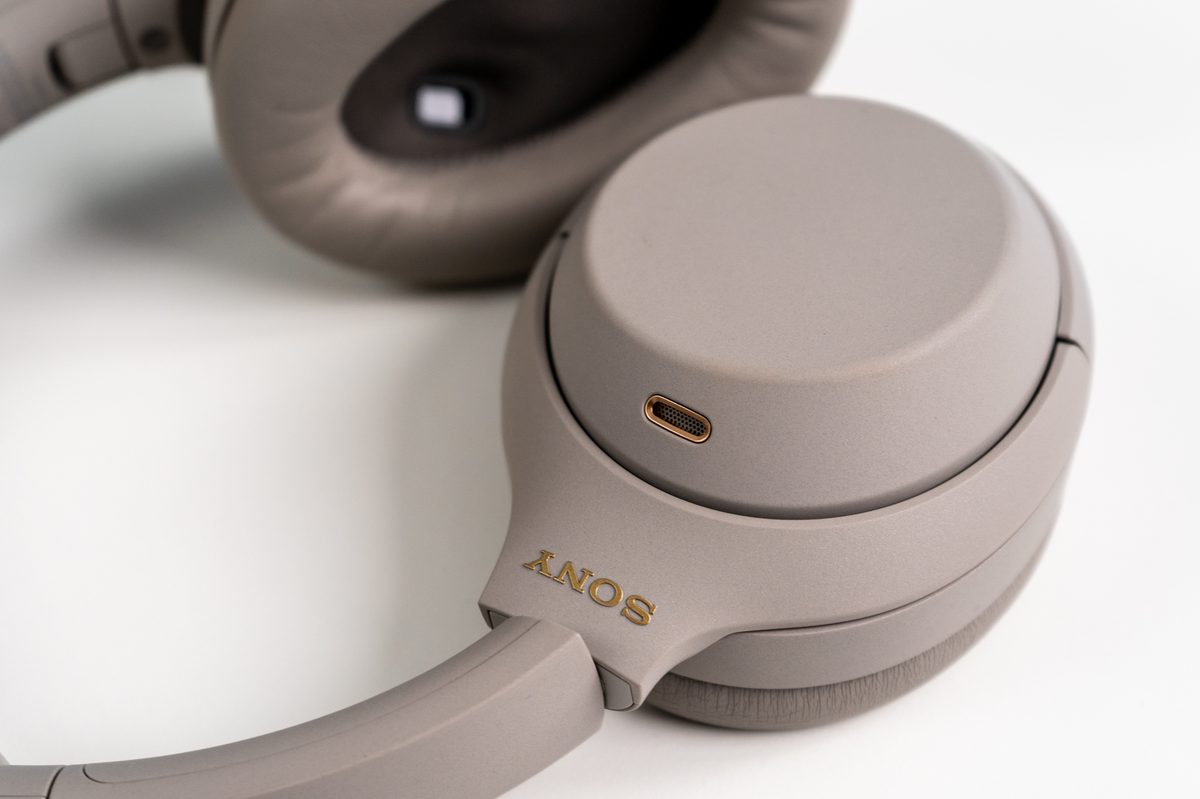
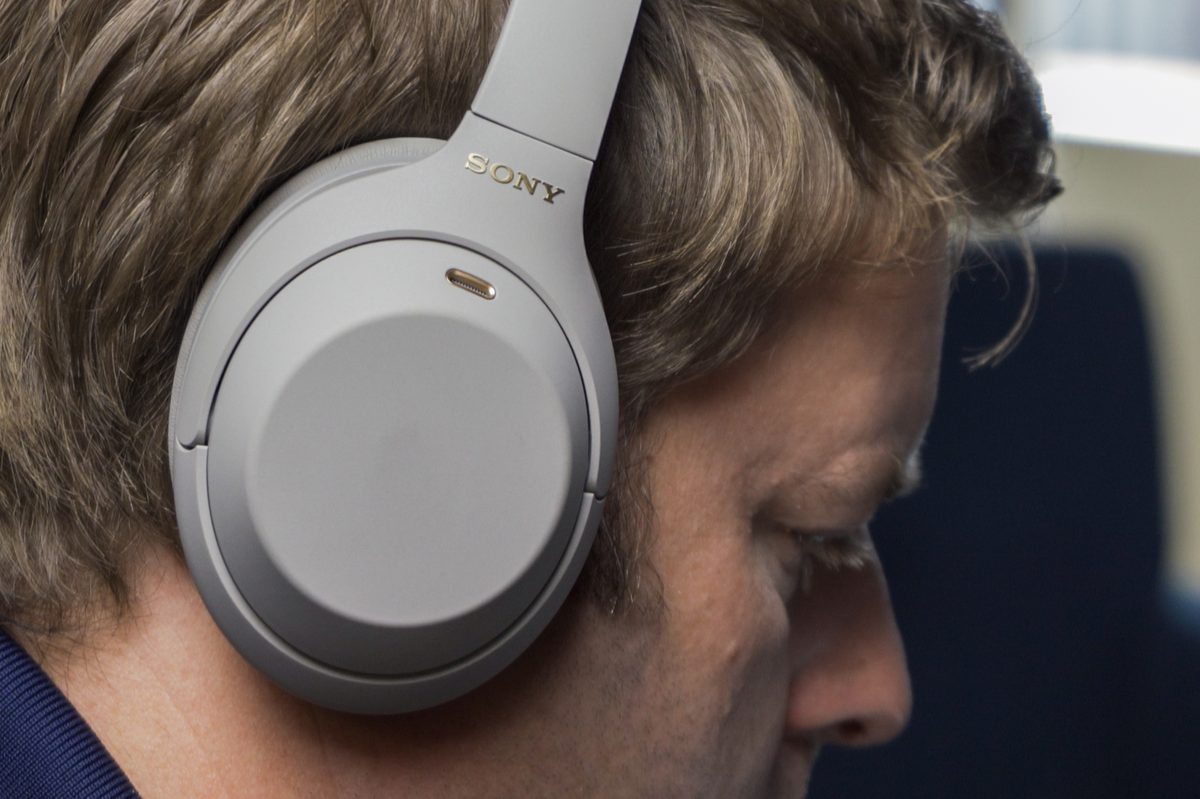
When the Bose Noise Cancelling Headphones 700 went up against the Sony WH-1000XM3, we gave a slight edge to the Bose based on sleek looks and better comfort. Sony’s WH-1000XM4 are dead ringers for the XM3 in terms of design — at a glance, you can’t tell them apart — which might lead you to conclude the Bose are still top in this category. But the XM4 include subtle changes to the headband and ear cushions that have significantly improved their comfort.
The XM4 not only feel noticeably lighter than the XM3, thanks to the way the ear cushions dissipate the headband’s clamping force, but we think they can be worn for a longer period of time than the Bose Noise Cancelling Headphones 700 without feelings of fatigue setting in.
So, while you may still prefer the look of the Bose, we think you’ll find the WH-1000XM4 to be a better design for overall long-term comfort.
Winner: WH-1000XM4
Features, controls, and battery life

Sony’s WH-1000XM3 nailed this category last time based on longer battery life (30 hours versus 20 hours for the Bose) and a bigger and better set of features, thanks to the countless customizations available within the Sony Headphones app for iOS and Android.
Since the WH-1000XM4 maintain all of the XM3’s attributes and then layer on some big improvements of their own, it’s once again Sony’s area of strength. While battery life remains unchanged (but still much better than the Bose), it’s the new features that get us excited.
You can pair the XM4 to two devices simultaneously, thanks to the addition of Bluetooth Multipoint. On the XM3, you could cover one earcup with your hand for a quick override of ANC and music for conversations. On the XM4, that feature can be automatically triggered when you start speaking. And with a new wear sensor located in the left earcup, the XM4 can automatically pause your tunes when you slide the headphones off your head and resume them when you replace them.
Winner: WH-1000XM4
Sound quality
Both the WH-1000XM3 and Bose Noise Cancelling Headphones 700 feature excellent sound quality, but we generally prefer Sony’s balance of lows, mids, and highs when compared to Bose’s tendency to favor the upper registers. At times, this causes the Noise Cancelling Headphones 700 to feel overly bright, with an almost sanitized quality to the sound.
The WH-1000XM4 preserve everything we loved about the XM3’s sound and the infinitely-adjustable EQ settings, and they upped the ante even further with a new version of Sony’s audio upscaling tech, DSEE.
The XM4 come with DSEE Extreme — which Sony claims has been calibrated with onboard artificial intelligence and tons of data from sister division Sony Music — and now does a better job of upscaling the higher-end, more sibilant sounds of compressed music. Whether you notice this enhancement or not will very much depend on your preferred genres and whether or not you listen to highly-compressed digital music, like Spotify’s free tier.
Regardless, we think the XM4 has a significant edge when it comes to sound quality, and unlike the Bose, you can tweak them to your heart’s desire if their factory EQ doesn’t suit you.
Winner: WH-1000XM4
Call quality

Bose has always placed an emphasis on business travel-friendliness with its wireless headphones and nowhere does that emphasis show up stronger than call quality. The Noise Cancelling Headphones 700 possess an eight-microphone array, which not only works to deliver superb ANC but also gets tasked with picking up speech while canceling competing sounds.
The Noise Cancelling Headphones 700 fairly trounced the WH-1000XM3 on call quality, so Sony enhanced the XM4’s voice pickup technology to close the call quality gap.
If we didn’t have the Noise Cancelling Headphones 700 to compare with the XM4, we’d say the Sony cans deliver very good call quality. But we did compare them, and the Bose are simply better in every way. Not only did our voice come through with what can only be described as near-perfect reproduction, but competing sounds were also almost completely eliminated.
By comparison, the XM4 deliver voice quality that sounded compressed at best and warbly at worst, and there were times when wind noise completely obscured the voice from being heard.
Winner: Noise Cancelling Headphones 700
Noise cancellation

We’d argue that sound quality is the number one consideration when buying a set of premium wireless headphones, but ANC is a close second, especially for travelers or folks who routinely work or commute in noisy environments.
This makes things tricky when picking between the WH-1000XM4 and the Noise Cancelling Headphones 700, because both are really, really good at ANC.
But we’re not going to punt on this one, because even though the difference is razor-thin, we think Bose cancels noise more effectively. There are two caveats you should be aware of, though. First, the XM4 actually have better passive noise isolation, which means that when you’re wearing the headphones without ANC turned on, the Sonys block more noise — a possible consideration for when and if the battery dies.
Second, the Noise Cancelling Headphones 700 can’t compensate for pressure changes as well as the XM4, and they tend to exhibit more of what we call the “sucking” effect, where it feels like the air is being sucked out of the earcups. That’s not literally what is happening, but it sure can feel like it.
These caveats notwithstanding, the Bose are still the better choice for ANC.
Winner: Noise Cancelling Headphones 700
Conclusion
If you follow the numbers, the Sony WH-1000XM4 are the winners here, with a lower price, better sound quality, more comfort, more features, and longer battery life. For most people, these qualities make the XM4 a better choice in a set of premium quality headphones.
But there’s no escaping the fact that the Bose Noise Cancelling Headphones 700 are simply better for phone calls, and their ANC remains top-notch. We think that’s more than enough reason to opt for the Bose if you’re primarily looking for headphones that will keep you productive while you work, whether it’s on a plane, in the office, or — as more and more of us are experiencing — battling the nine-to-five from your couch.