  1. Home
  2. Audio / Video
  3. News

Spotify adds verified podcast badges so you know you’re listening to the real host, and not an AI clone

Spotify is cracking down on AI voice fakes and giving real creators their badge of honor.

Add as a preferred source on Google
Spotify verified podcast
Spotify

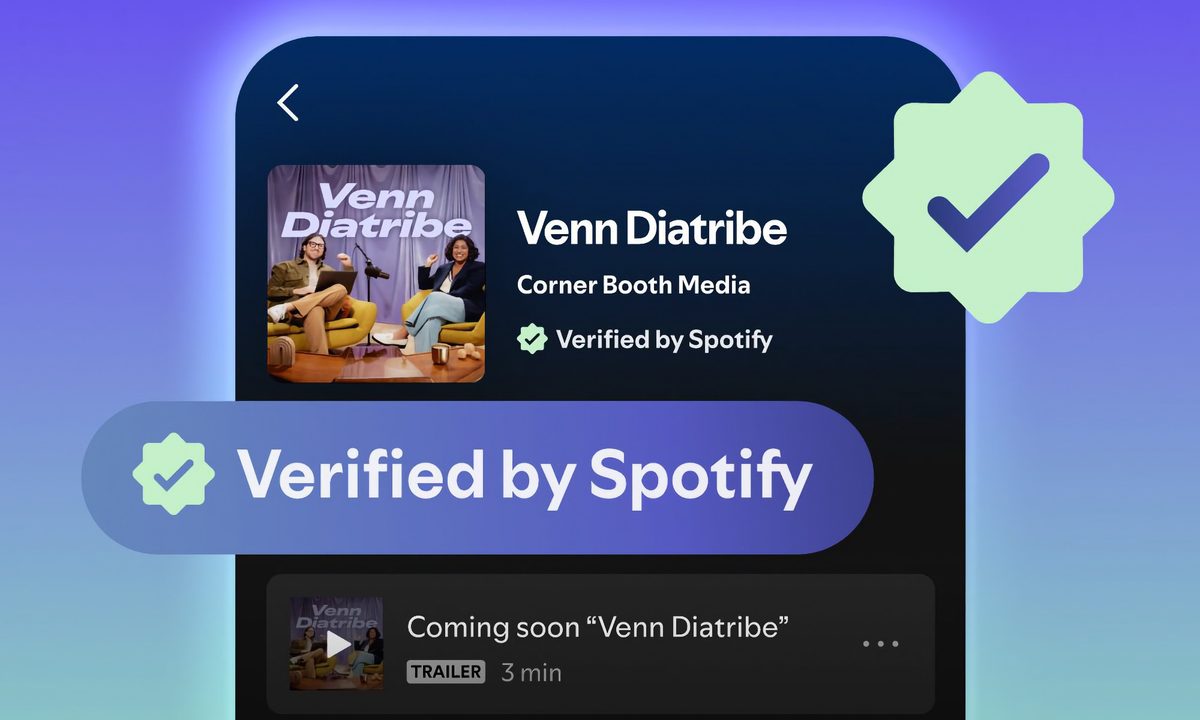
Soon after adding verified artists badges for music creators, Spotify has not announced verified podcast badges, so you can be sure you are listening to your favorite hosts and not some AI impersonator. 

The badge will appear as a light green checkmark on show pages and in search results, signaling that the show has been reviewed for authenticity. Not every show will get the badge right away. Spotify is starting with select shows and will expand over the coming months.

Recommended Videos

To get the verified badge, a show needs sustained listener activity, a clean track record with Spotify’s platform policies, and verified audience authenticity. The company is also adding protection against bot-driven listenership.

Is AI making it harder to trust what you hear?

With AI slop dominating the internet, it’s increasingly becoming hard to trust a news or media source. Spotify acknowledges that AI has made podcast creation more accessible, which is largely a good thing. But it has also made it possible for bad actors to clone a creator’s voice and pass it off as the real thing.
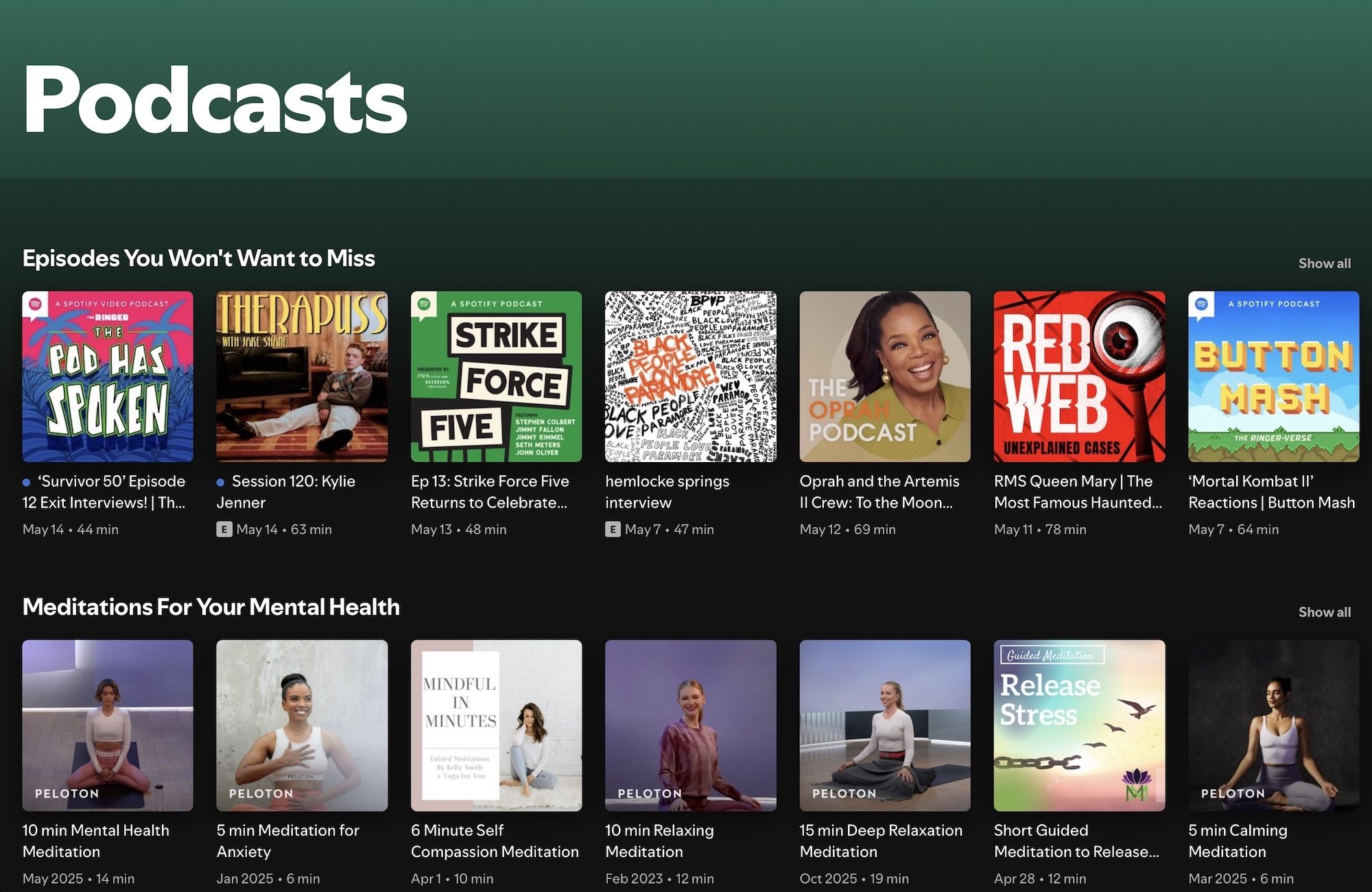
Spotify is pushing back on this by updating its impersonation policy. Any podcast that uses AI voice cloning or any other method to impersonate a creator without permission will be removed from the platform. Listeners can also report unauthorized use of a creator’s voice through Spotify’s existing reporting channels.

Why does any of this matter to you?

Podcasting runs on trust. You tune in week after week because you connect with the host, their opinions, and their voice. The moment a fake version of that host starts showing up in your feed, that trust breaks down fast. It’s not only harmful for listeners but also for creators, as it may lead to a drop in their trustworthiness. 

These updates are a good first step toward making sure that doesn’t happen. Recently, Google and OpenAI also announced tools to verify AI-generated images, which makes me believe that at least some companies are taking the threat of AI-generated content seriously and providing users with more tools to verify a source before trusting it.

Rachit Agarwal
Rachit is a seasoned tech journalist with over ten years of experience covering the consumer technology landscape.
Google’s new Gemini TV controls are here and TCL owners get them first
Your TCL TV can now fix its own picture with a simple voice command
TCL 85-inch T7 QLED deal

Adjusting your Google TV settings is one of those things that sounds simple until you are three menus deep trying to find the brightness slider. Google just made that whole experience a lot less annoying.

The company has rolled out new controls for Gemini, and TCL is the exclusive launch partner, meaning TCL TV owners get access to the feature for the first 60 days before it opens up to other Google TV brands.

Read more
Jabra Evolve3 75 review: I wore this work headset for weeks, and it was a revelation
Jabra Evolve3 75 proves work headphones can be stylish and still deliver a few surprises on top.
Jabra Evolve3 75 headphones

View at Amazon

Quick Review

Read more
Deezer is fighting against slop with a tool that detects AI music on streaming platforms
The new free scanner works across major streaming services while Deezer pushes broader licensing.
Baby, Person, Head

Deezer has launched a free online AI music detector that checks playlists from 20 major streaming platforms for AI-generated tracks. It uses the same technology Deezer has been using to detect and tag synthetic music on its own service.

The tool is available in 27 languages, and it arrives as Deezer says nearly 75,000 AI-generated tracks are being delivered to it every day. That volume gives the launch a sharper edge than a simple playlist cleanup feature. It's a way to put synthetic-song detection in front of listeners before the rest of streaming settles on common rules.

Read more