
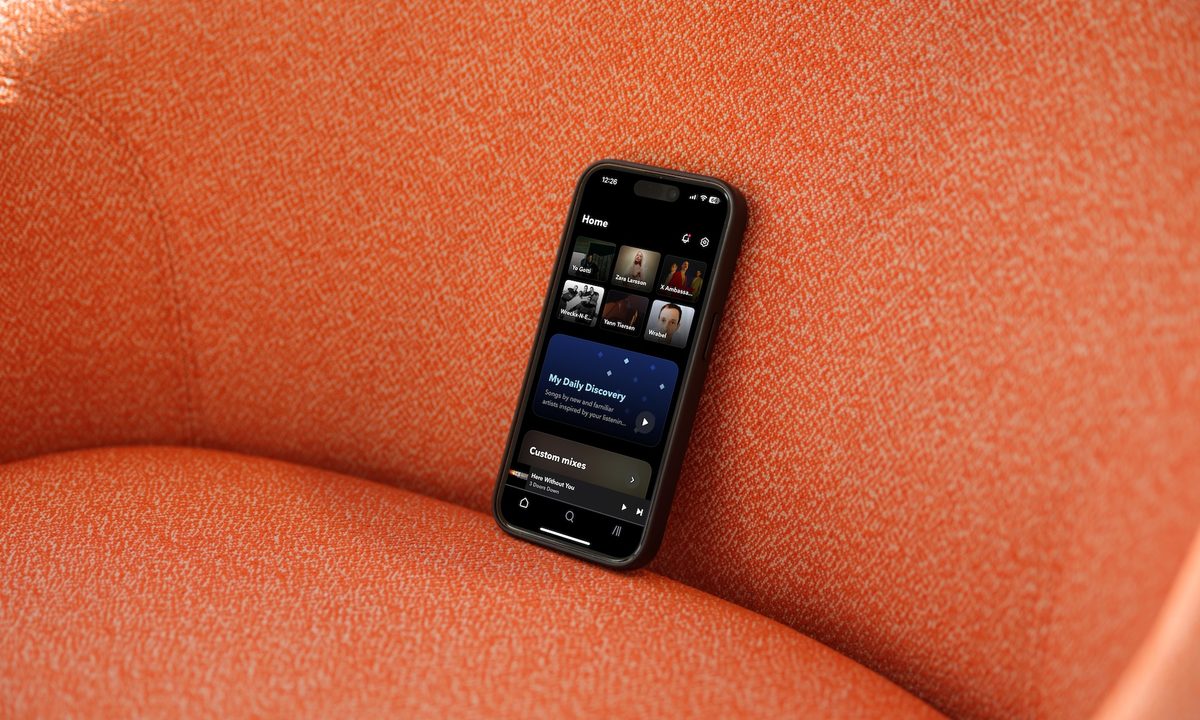

There’s seemingly no end to the pantheon of music streaming services, which is why it pays to stick with some of the tried and true providers. Platforms like Tidal and Qobuz are perfect examples of hi-res streamers that have been adding to music libraries and fine-tuning software for a minute. This makes both platforms ideal choices for anyone looking to sign up for a music streamer for the first time, as well as for listeners looking to jump ship from a streamer that’s less intuitive or reliable.
So, that leaves us with this question: which is better? When it comes to library size, sound quality, and pricing, Tidal and Qobuz present many similarities but a few differences that may make choosing one over the other a no-brainer for some. To that end, we’ve put together this comparison piece to help you hone in on the best music streamer for you and yours.
You may also want to check out comparisons of Tidal vs. Spotify.
Price
For many years, Tidal has stood out for its hi-res music offerings, a feature long shared with Qobuz. However, the landscape has changed, and now other services like Apple Music and Amazon Music (and soon Spotify, hopefully) have also ventured into the hi-res music space.
Tidal’s loss of near exclusivity on the hi-res front is likely the reason behind its April 2024 price drops and subscription changes. Tidal initially offered higher-priced HiFi and HiFi Plus plans. Today, however, it provides plans that are more in line with what other services charge and these plans still offer music in hi-res formats. It’s also worth mentioning that as of July 2024, Tidal no longer supports the MQA and 360 Reality Audio formats, limiting its hi-res offerings to FLAC and Dolby Atmos encodings.
Tidal’s up-to-date subscriptions consist of an individual plan for $11 per month, a family plan for $17 per month (which covers up to six family members), and a student plan for $5.50 per month. There is no longer a free Tidal plan. Tidal for DJs is a $9 monthly add-on to the individual plan. This plan allows DJs to directly access Tidal’s library using the DJ software.
With any of the above subscriptions, you can access more than 110 million tracks in lossless, hi-res FLAC, and Dolby Atmos formats. The ad-free service provides offline listening, personalized mixes, editorial playlists, and live sessions.
You can enjoy a 30-day free trial if you’re new to Tidal, during which you’ll have access to Tidal’s entire ad-free, lossless catalog and streaming features at no cost.
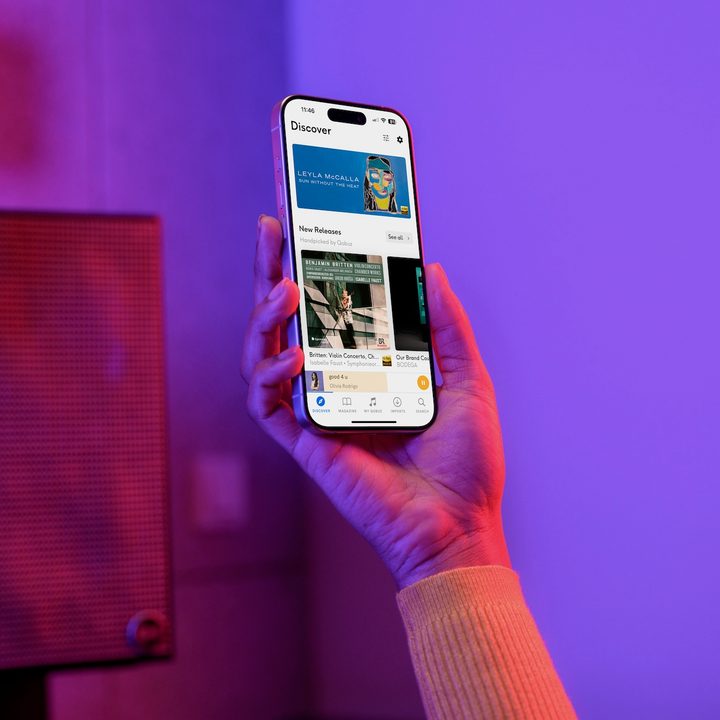
Qobuz provides two primary subscription plans, Studio and Sublime. The Studio plan has options for individuals ($13 per month), couples ($18 per month), students ($5 per month) and family ($22 per month for up to six members of the same household). If you pay yearly, discounts of up to 18% are available on each plan. For instance, a Studio solo account can be purchased for $130 upfront for a year, which is $10.83 per month.
A Qobuz Sublime subscription is also available. Like the Studio plan, it offers three tiers. The plans must be paid annually and include solo ($180 per year), duo ($270), and family ($350) plans.
The Studio and Sublime plans offer access to Qobuz’s library of more than 100 million tracks in high-res lossless FLAC. The service includes offline listening, personalized mixes, editorial playlists, and more. Sublime comes with all the same base perks as Studio, plus up to 60% off hi-res download purchases.
Qobuz doesn’t offer a free or student plan. However, new users can check out the service for free for 30 days.
Tidal is less expensive than Qobuz and offers a more extensive library. When comparing prices, Tidal is the clear leader.
Winner: Tidal
Supported devices
Through its website and apps, Tidal is available on both desktop and mobile platforms. It is compatible with audio devices such as Sonos, Bluesound, Denon, Cambridge Audio, and many more. You can also access on Samsung, LG, Sony, and Vision smart TVs, Chromecast, Apple TV, Roku, Android TV, and Fire TV. It is preinstalled on Tesla, Mercedes-Benz, and Volkswagen car audio systems and supports Android Auto and CarPlay.
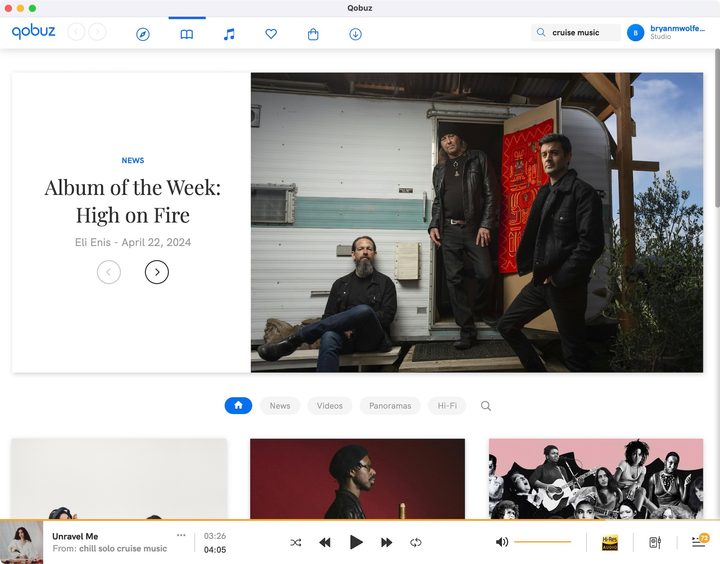
Qobuz can be accessed through its official website and desktop and mobile apps. Numerous audio hardware companies, including Devialet, Klipsch, Naim, Sonos, McIntosh, and more, support the brand. Qobuz supports Chromecast and is preinstalled in late-model Samsung TVs. You can also access Qobuz via CarPlay and Android Auto.
Both streaming music plans are available on various devices, such as mobile, desktop, higher-end audio systems, and car audio systems. However, Tidal is more widely accessible as it can be used on specific car entertainment systems, smart TVs, and television entertainment systems.
Winner: Tidal
Music variety and catalog size
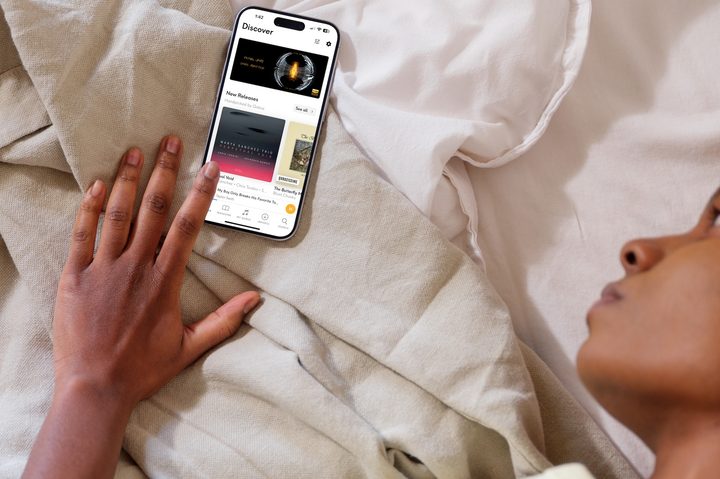
Tidal offers 110 million song titles versus 100 million for Qobuz. You can undoubtedly find Tidal’s extras if you look hard enough, but you’d be hard-pressed not to find the most mainstream songs across multiple genres on both services. However, the services go in different directions when it comes to curation.
Tidal caters to all genres and places a premium on highlighting the most relevant content for each user. From the moment you join Tidal, it seeks to understand your musical preferences and tailors a unique experience just for you. This personalized touch extends to the collection of curated playlists and editorial content you’ll find while using Tidal, making you feel genuinely valued as a music enthusiast.
If you’re interested in exploring new music, Tidal Rising provides global access to content from emerging artists with just a click. Tidal also offers exclusive interviews and a comprehensive video library, which adds depth to your listening experience.
From a curation perspective, Tidal also does an admirable job of targeting music for different moods, activities, and events. In addition to the DJ add-on mentioned above, you can find workout and wellness-friendly playlists, cross-genre hits, staff picks, and a limited selection of podcasts.
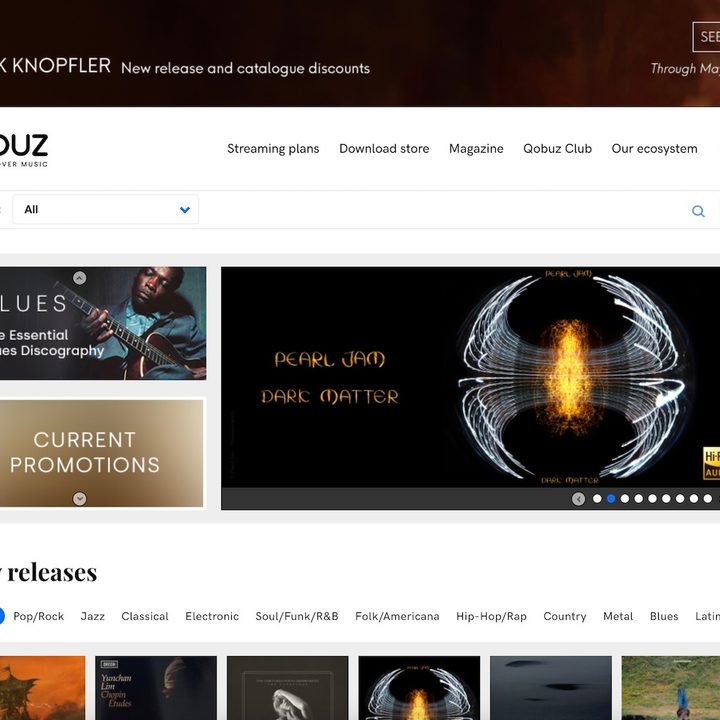
Qobuz also offers music across most genres, but clearly focuses on classical, jazz, and similar genres. Qobuz enriches your experience with its in-depth editorial content, including album reviews, artist interviews, and digital booklets. This wealth of information leaves you feeling enriched and more informed about the music you love.
Qobuz also offers something genuinely unique by keeping part of its focus on the idea that some people still like to buy music. As such, it provides subscribers and non-subscribers access to music for download and purchase. Those with a Sublime membership can save up to 60% on the available music titles.
Because of the service’s limited focus, it offers a built-in Qobuz Magazine, which highlights curated content, including articles and related media. The magazine also contains helpful guides on using Qobuz’s features or understanding audio formats.
For those looking for further immersion, there’s the Qobuz Club. Accessible through the Qobuz website and available for iOS and Android devices, QC users can connect with other music enthusiasts and learn more about listening to high-quality music. They can also use the forum to communicate with Qobuz about issues or concerns.
You can also subscribe to the Qobuz Club VIP. Membership costs $65.40 yearly and includes additional benefits like exclusive discounts and priority customer service.
Winner: Tidal
Sound quality
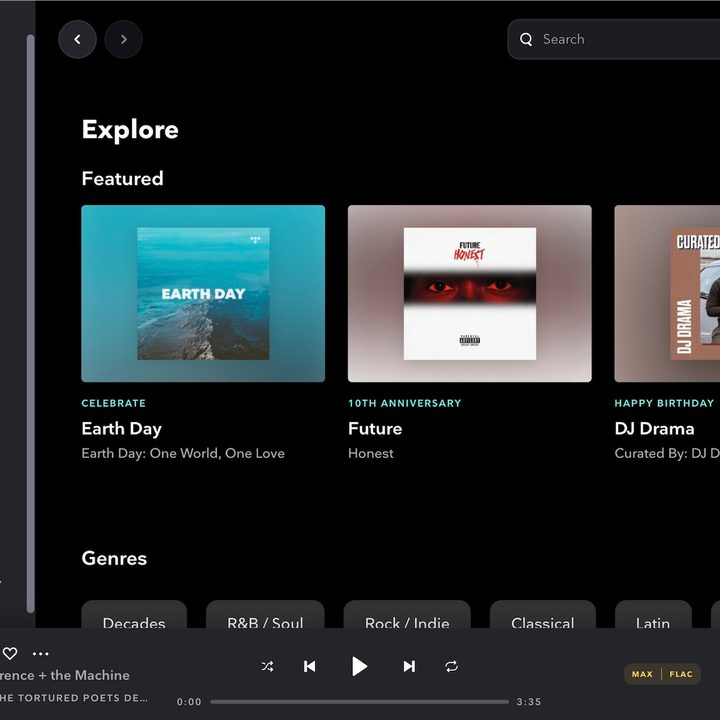
Understanding the high-res track formats is important when you listen to music online. Tidal offers hi-res FLAC at up to 24-bit/192kHz. Some tracks may be in 24-bit/96kHz or 16-bit/44.1kHz. If a track is unavailable in hi-res FLAC, it will be available in AAC, WAV, or MP3.
Qobuz also offers 24-bit/192kHz songs and albums. Depending on availability, you might stumble upon titles in 24-bit/up to 96kHz and CD quality (16-bit/44.1 kHz).
Both services identify the type of hi-res played on every track, whether you’re using a mobile app or desktop.
It’s essential to remember that the quality of high-resolution audio dramatically depends on the components of the audio delivery chain, like the digital-to-analog converter (DAC), amplifier, and speakers or headphones. If any of these components are low-quality or not compatible with high-resolution audio, you may not fully experience high-quality audio as intended.
What about Dolby Atmos? Dolby Atmos is a surround sound technology currently being employed by some services. It creates a 3D soundscape where sounds can move around, above, and behind you. Like general audio quality, you need supported equipment to hear Dolby Atmos. Of Tidal and Qobuz, only Tidal supports Dolby Atmos.
Tidal and Qobuz offer excellent sound quality, making it difficult to determine a clear winner. Because Tidal supports Dolby Atmos, the edge goes to Tidal.
Winner: Tidal
Podcasts and videos
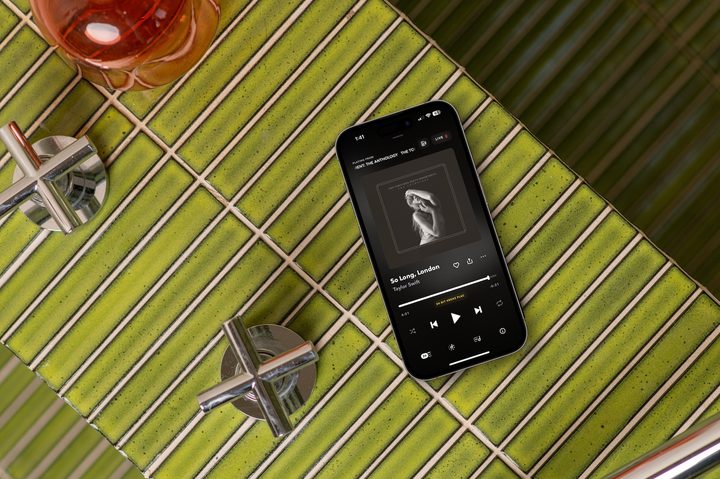
Companies such as Spotify and Apple have a dedicated focus on the podcast market. However, Tidal and Qobuz are not as invested in this area. Tidal offers access to a limited selection of curated podcasts mainly focused on music-related content. However, it does not provide a vast library of podcasts like other services such as Spotify or Apple Podcasts. Qobuz doesn’t list any podcasts on its app at this time.
In terms of video content, Tidal offers over 650,000 titles primarily used for discovering music or select artists. On the other hand, Qobuz does not offer any videos.
Winner: Tidal (by default)
Latest features
Both Tidal and Qobuz are constantly improving UI, patching up software glitches, and adding new features. One of these new abilities is Tidal’s universal linking. Now when you love a song or album, Tidal lets you share a universal link that can be opened by other music streaming platforms, including Spotify and Apple Music.
Qobuz also did some fine-tuning to its mobile and desktop UI, allowing subscribers to filter playlists by album, artist, label, or alphabetically. Qobuz’s latest UI also puts a spotlight on artists you love by providing links to artist pages and related content. And last but not least, now you’ll get track suggestions directly in your playlist queue.
Conclusion
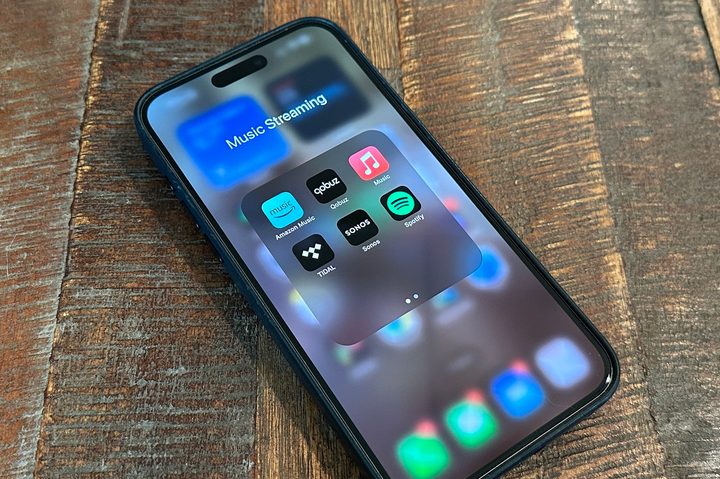
Tidal and Qobuz are excellent alternatives to more extensive music streaming services such as Spotify and Apple Music. However, Tidal is the service closest to offering similar content overall. Unlike Qobuz, Tidal does not concentrate on specific genres. Instead, it aims to provide a variety of content for everyone, including music videos and podcasts. Tidal is also less expensive than Qobuz and offers a student plan.
If you primarily enjoy classical or jazz music or want to learn more about these genres, Qobuz is a better choice. It is also the preferred option for anyone interested in owning music in those genres, as you can get significant discounts through at least one of its subscription plans.
Overall winner: Tidal


