
Roku is the leading streaming platform in the United States, and its Roku TVs — which have the Roku operating system built in — are among the most popular smart TVs around. So when the Roku service breaks, keeping the device from being able to show anything at all, folks are going to take notice.
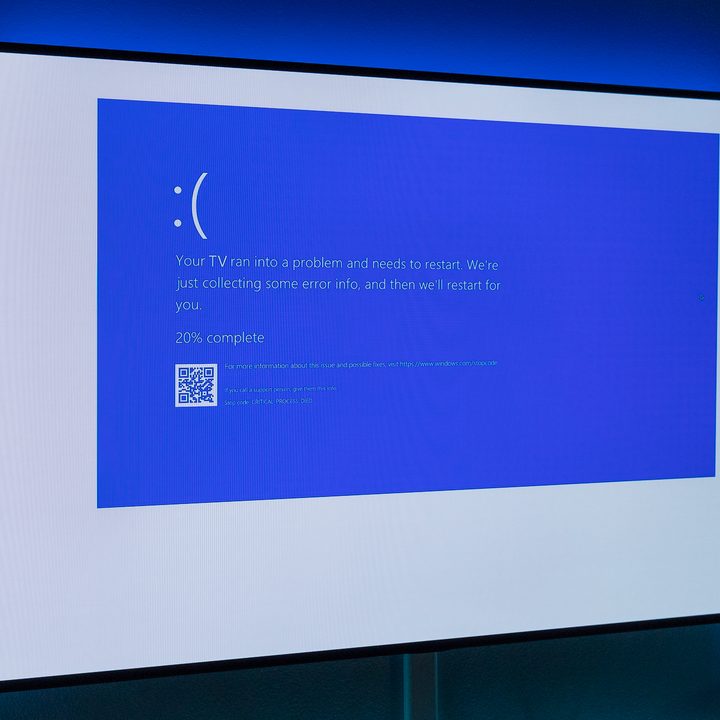
Such was the case Wednesday night with Roku, which tells Digital Trends that some sort of glitch somewhere made the company “aware of an issue reported by users who are unable to access some Roku services.” By which it meant in part that (among other things) HDMI ports quit working, and a hard reset didn’t solve anything because activation servers weren’t working. Basically, a perfect storm.
The question, then, is what you can do as a consumer when things don’t work, and it’s not your fault.
You won’t like any of the answers.
Fix your stuff
When your tech breaks, take a walk
Servers inevitably go down. Computers crash. ‘Twas ever thus. And when that happens, you can either sit and stew and foist your rage upon the internet at large, or you can do something else.
There’s a sort of cerebral reaction when something that just worked no longer works — particularly when it’s not because of anything you did. When Amazon Web Services goes down and takes half of the internet (or more) with it, there’s not a whole lot any single end-user can do.
One thing you learn as you get older is that getting mad doesn’t help. Raising your blood pressure over something that you can’t control is simply a waste of time.
Just walk away.

That’s it. Leave it be. Unless we’re talking live sports or news, there’s a pretty good chance that what you wanted to watch right then will be available a little later on-demand. And even then, replays of live events are a thing.
There’s not a damn thing you can do about someone else’s server problem. If you can report it to the company — whether it’s through Twitter or Down Detector or some other means, great. But there’s also a pretty good chance they’re already aware. It’s not worth your sanity.
Redundancy is important is important
There’s a reason over-the-air antennas still exist in 2022. (OK, there are a few reasons.) One of which is that you’re plucking a broadcast signal out of the air and piping it into your television doesn’t require an internet connection on your end, or the server to be up on someone else’s end.
And so it might well be worth spending $50 or so and an hour of your time to rig up an OTA antenna. (Remember, kids — outside and higher is better than indoors and lower.) On the rare occurrence that your streaming service of choice goes down, you will still have something to watch, provided that it’s available on one of your local broadcast affiliates. That won’t cover everything, of course. But it’s better than nothing. And outside of the initial cost of the antenna, there’s no other monthly fee.
Now, that wouldn’t really help in the worst-case scenario, such as what Roku briefly experienced. Or if the problem is at the source. But that’s why the further up the stream you go, the more redundancy you’ll find.
Alternatively — and this isn’t something most people would ever really want to do — you could subscribe to a second streaming service for some overlap. That’s a bit silly, though, and probably not something most people would do.


