1. Home
  2. Mobile
  3. Legacy Archives

The long wait: BlackBerry’s new Q10 handset might not arrive in US until May

Add as a preferred source on Google
RIM BlackBerry Q10 (front)
Image used with permission by copyright holder

Check our full review of the BlackBerry Q10 phone.

BlackBerry’s new Q10 smartphone – that’s the one with the physical keyboard – might not hit stores in the US until May, or possibly even later, the company’s boss said in an interview this week. Meanwhile, the device is expected to launch in other countries in April.

Recommended Videos

BlackBerry CEO Thorsten Heins told the Associated Press that the Q10 will probably arrive in the US around eight to ten weeks after the Z10, which is expected to become available around the middle of March. The Z10 is already on sale in the UK and Canada.

The delays are the result of particularly rigorous testing procedures of handsets by US-based carriers.

The delay is a serious issue for BlackBerry, which wanted to hit the ground running with its new BB10 platform following its glitzy global launch event last week.

The company needs the new platform to succeed if it’s to once again become a major player in the cut-throat smartphone market. Winning back a chunk of its user base in the US is of vital importance for the Ontario-based mobile maker – American consumers’ uptake of the iPhone and Android devices saw BlackBerry’s share of the US market dive from 46 percent in 2008 to a mere 2 percent four years later.

Heins addmitted he was frustrated with the late US launch dates of the Z10 and Q10 handsets, saying, “Am I a bit disappointed? Yeah, I would be lying saying no. But it is what it is, and we’re working with all our carrier partners to speed it up as much as we can.”

The new Z10 smartphone has reportedly been selling well in the UK, with pre-orders in Canada – where the phone became available on Tuesday – described as “higher than for any other BlackBerry before” by a spokesperson for Canadian carrier Bell. The device will go on sale in the United Arab Emirates next week.

Trevor Mogg
Contributing Editor
Not so many moons ago, Trevor moved from one tea-loving island nation that drives on the left (Britain) to another (Japan)…
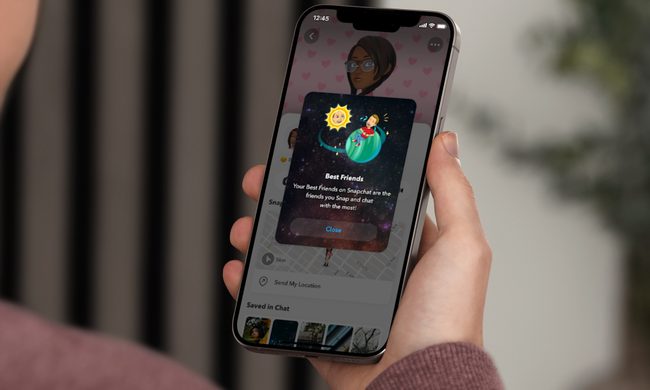
Snapchat Planets: What’s the order, and what do they mean?
Snapchat Planets turns your best friends list into a solar system, and yes, your orbit says a lot
Snapchat Planets being shown on the Snapchat app on iPhone.

Snapchat is already packed with little symbols that can be weirdly hard to decode. You have streaks, emojis, badges, scores, Best Friends, and if you use Snapchat Plus, a tiny solar system that shows where you sit in someone’s closest-friends list.

The feature is called Friend Solar System, though most people just call it Snapchat Planets. It takes your position in a friend’s Snapchat orbit and turns it into a planet. From Mercury to Neptune, these celestial bodies signify how close a person is to you.

Read more
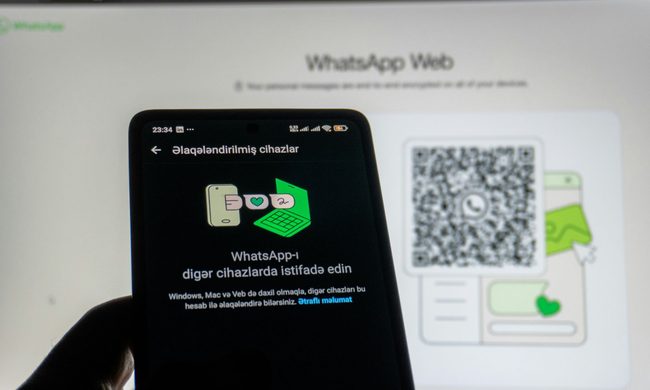
How to use WhatsApp Web
We'll show you how to use WhatsApp on your desktop or laptop
WhatsApp Web

As one of the most popular messaging services, you’ve already heard of WhatsApp. From its humble beginnings in 2009—two years before Apple introduced iMessage—to its acquisition by Facebook (now Meta) in 2014, WhatsApp has become the dominant messaging platform around the globe.

In recent years, it's grown even more potent with new features like video messages, self-destructing voice messages, the ability to edit sent messages, and more. We even finally got an WhatsApp iPad app in May 2025.

Read more
What is WhatsApp? How to use the app, tips, tricks, and more
From setting it up to mastering hidden features, here is your complete guide to WhatsApp.
Electronics, Phone, Mobile Phone

There's no shortage of messaging apps out there. The past decade has given us more options than we know what to do with, largely because smartphones demanded something better than plain old SMS.

Both the App Store and the Play Store are packed with apps that promise to revolutionize the way we communicate. Most of them didn't make it. The truth is, a messaging app is only as good as the number of people using it, and most apps never cross that threshold.

Read more