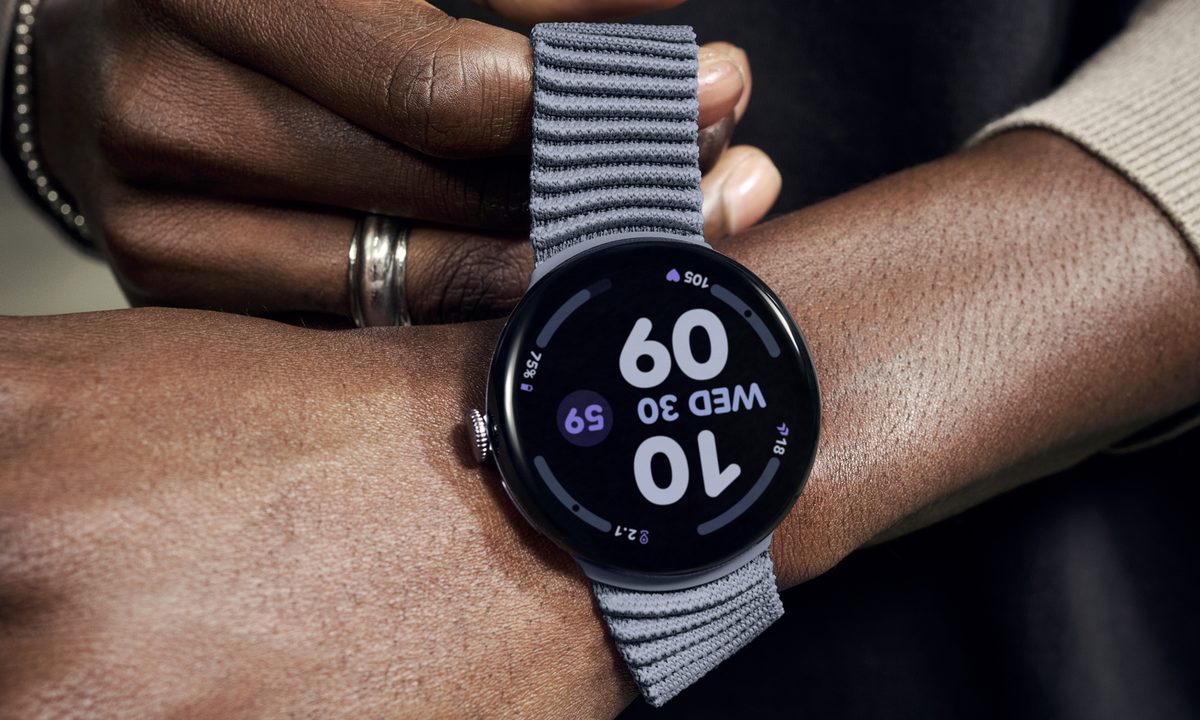
What’s happened? Google has announced the Pixel Watch 4 during the Pixel 10 launch, packed with new features, many of which are made possible by the new Qualcomm chip at its heart. But this new chip isn’t just making the Pixel Watch better, Qualcomm claims it’s a huge deal for all wearables.
- Qualcomm has announced its new Snapdragon W5 Gen 2 and W5+ Gen 2 chipsets, developed specifically for wearable devices.
- The chips are the first in the world to offer NB-NTN Satellite support
- They also boast 50% improved GPS positioning accuracy, and lower power consumption.
- Qualcomm also claims the chips will allow wearable manufacturers to reduce device size by 20%.
- The Pixel Watch 4 is the first wearable to feature the Snapdragon W5 Gen 2, with device more announcements coming soon.
This is important because: This signals are major move forward for wearables, with improved location accuracy and emergency contact making lives easier.
- The machine learning enhancements around positioning means wearables with the W5 or W5+ chip will be able to better track you in densely populated cities and deep canyons – locations where GPS positioning has struggled.
- Qualcomm has optimized its RF front end, allowing for smaller devices, lower power consumption, and better connectivity.
- With NB-NTN support, you’ll be able to send and receive emergency messages on your smartwatch via satellite when you find yourself outside cellular coverage – no smartphone required.
Why should I care? If you’re someone who’s regularly adventuring in remote locations, or tends to leave their phone at home when they head out for a workout, the advancements made here are going to have a positive impact on your life.
- Runners will benefit from better accuracy when it comes to their wearable tracking the exact distance they’ve run, even in busy cities.
- And those who enjoy off-grid exploring, wearables with the Snapdragon W5 Gen 2 chip will allow you to contact emergency services if you get into trouble, without needing your phone.
Okay, what’s next? If you want to be one of the first people to experience a Snapdragon W5 Gen 2 powered wearable, pre-orders for the Pixel Watch 4 are now open.
- The Pixel Watch 4 price starts at $349 for the Wi-Fi only, 41mm model, while the larger 45mm model starts at $399. You’ll pay an extra $100 if you want LTE connectivity.
- You will have to wait a while to receive the watch though, as the Pixel Watch 4 release is set for October 9.
- Looking into the future and at 2027, Qualcomm believes it will be able to bring voice and video communication via the satellite system (NR-NTN), allowing you to send more than just a text message via the emergency service.