  1. Home
  2. Wearables
  3. News

Fitness trackers and smartphone apps help heart disease patients stay active, study finds

The humble fitness tracker may have a real heart-health job after all

Add as a preferred source on Google
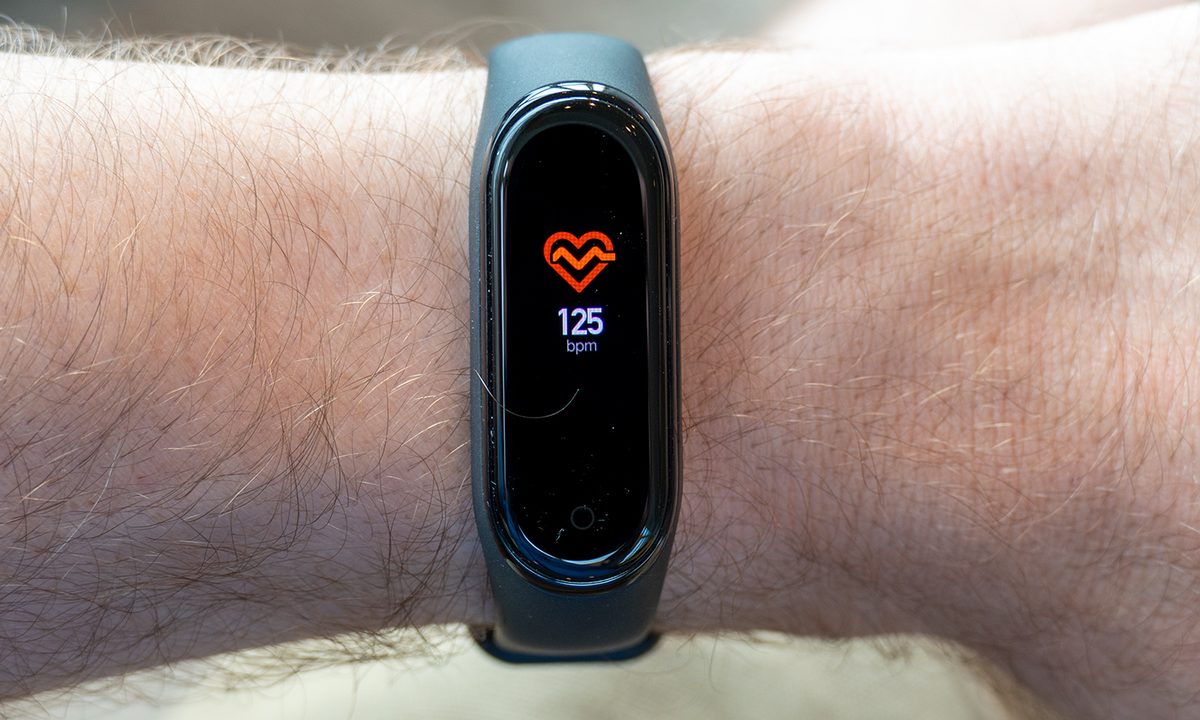
Xiaomi Mi Smart Band 4
Andy Boxall / Digital Trends

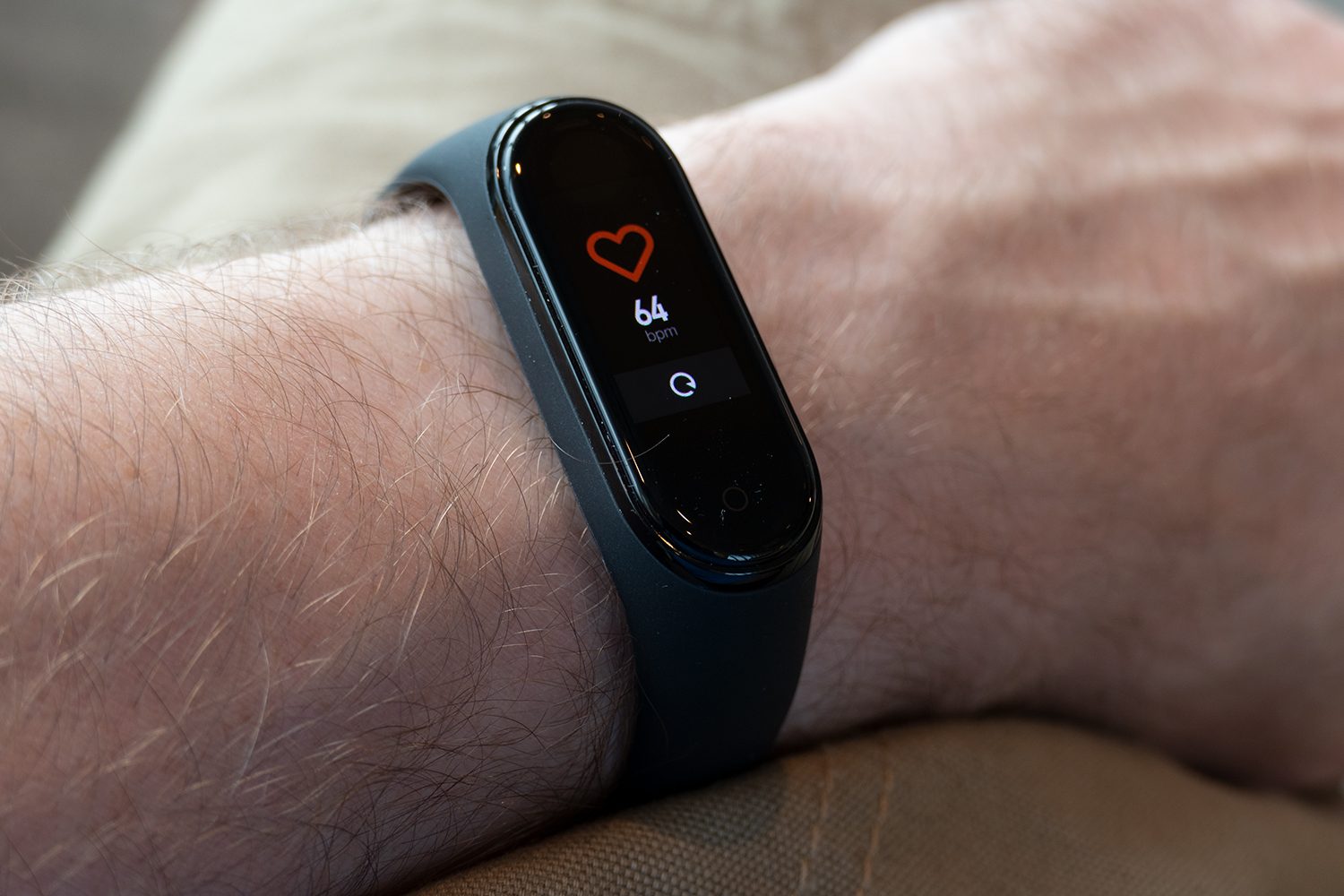
Fitness trackers and smartphone apps may be doing more than just tracking you from your wrist. A new review published in the Journal of the American Heart Association found that people with cardiovascular disease who used smartphone apps, fitness trackers, or wearable devices were more active than those who did not use digital tools.

The review looked at 14 clinical trials involving 1,057 participants with diagnosed cardiovascular disease, including coronary heart disease, heart failure, heart attack, or stroke history. Compared to people who did not use these tools, participants using apps or wearable tech walked nearly 1,100 more steps per day and added about four extra minutes of moderate-to-vigorous physical activity daily.
Why every small movement gains matter

For many people managing heart disease, small activity improvement like these can be a big deal. Many patients are encouraged to take part in cardiac rehabilitation, but traditional programs are not always easy to access. Aspects like distance, cost, time, and mobility challenges can all get in the way.

Recommended Videos

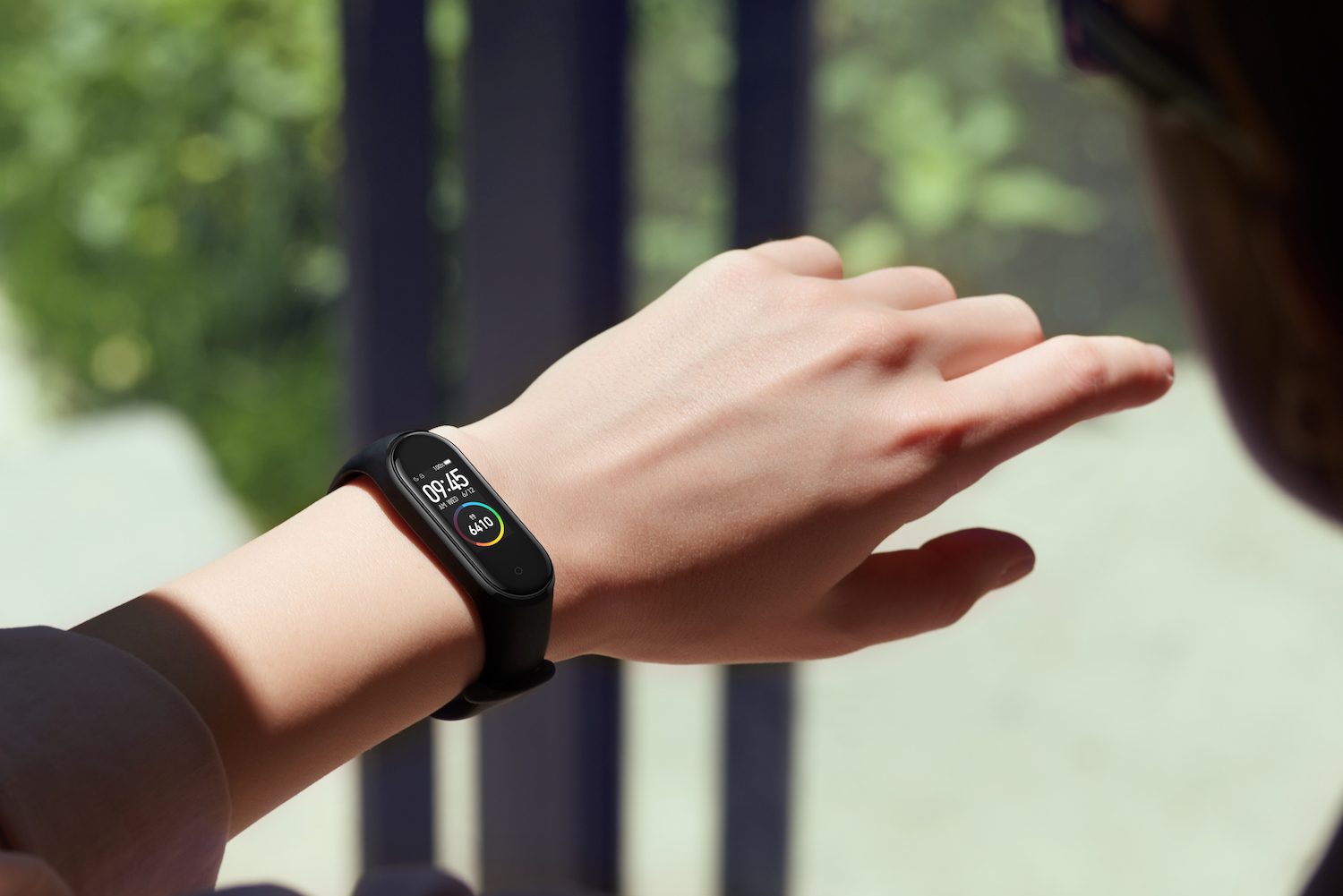
That is where phones and wearables have an obvious advantage. They are already in people’s pockets and on their wrists, and they can deliver reminders, feedback, daily step goals, motivational messages, coaching, and progress tracking without requiring a trip to a rehab center. Some of the programs in the review also used gamification, quizzes, rewards, and goal reviews to keep people engaged. In other words, the same little nudges that make your smartwatch mildly annoying during a lazy afternoon could be useful when built into a care plan.
This is not a miracle cure

The review found improvements in daily steps and activity time, but it did not find significant improvements in peak oxygen consumption or walking distance. Reasearchers noted that longer studies are needed to know whether these habits last over time and whether they lead to better long-term health outcomes.

So your fitness tracker is not a replacement for medical care, cardiac rehab, medication, or professional guidance. It is just a useful support tool. But the finding gives wearable tech a stronger case beyond sleep scores, streaks, and calorie estimates. And for those battling heart diseases, a phone app or fitness tracker helps becoming more proactive with movement in daily life.

Vikhyaat Vivek
Vikhyaat Vivek is a tech journalist and reviewer with seven years of experience covering consumer hardware, with a focus on…
A US state wants to ban smart glasses while driving, and it could open Pandora’s box
Drivers in Illinois may soon have to remove smart glasses before hitting the road
Snap Specs AR smart glasses

Smart glasses are rapidly evolving from niche gadgets into mainstream consumer technology. Devices from companies such as Meta, Google, Apple, and Snap are increasingly capable of displaying notifications, providing navigation, recording video, and even running AI-powered assistants directly in a user's field of view.

But one U.S. state is already asking an important question: Should drivers be allowed to wear them behind the wheel?

Read more
Xreal Aura glasses put Android on your face and they will “try” to cost under $1,500
Xreal Aura tries to squeeze a whole XR headset into glasses
Person wearing Xreal Project Aura smart glasses.

Xreal Aura is now one step closer to landing on your face. The company has opened reservations for Xreal Aura, its Android XR-powered smart glasses built with Google. The device was previously known as Project Aura, and it is shaping up to be one of the most important early tests for Android XR beyond full headset hardware.

Xreal is marketing Aura as a portable spatial computing device in a glasses-style form factor. So it's more than just a simple pair of glasses that records or keeps track of your notifications. Aura combines lightweight glasses with a dedicated compute puck, letting the heavier processing and battery hardware sit off your face.

Read more
Samsung Display just showed why XR’s future may come down to better tiny screens
Its AWE USA lineup connects high-brightness OLEDoS, MR demos, and glasses-free 3D concepts into one bigger bet.
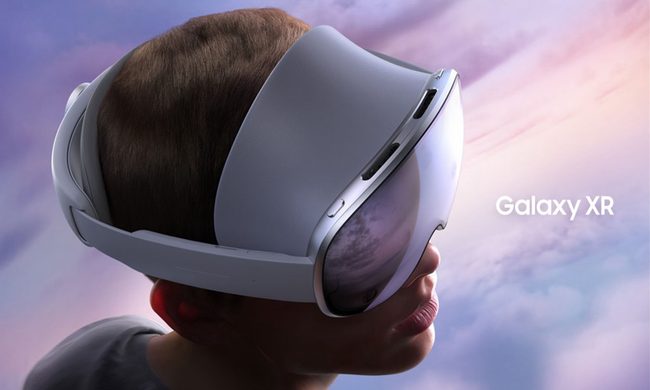
Galaxy XR

Samsung Display is using AWE 2026 to push RGB OLEDoS as a core building block for the next wave of XR hardware. The showcase centers on displays designed for mixed reality headsets and augmented reality smart glasses, where brightness, size, and efficiency all collide.

The standout spec is a 1.3-inch RGB OLEDoS panel rated at 40,000 nits. Samsung Display is presenting it in a dark-room Big Dipper installation, where only two of seven panels use the ultra-bright tech to make the brightness and color gap obvious. It’s a booth demo with a sharper message underneath.

Read more